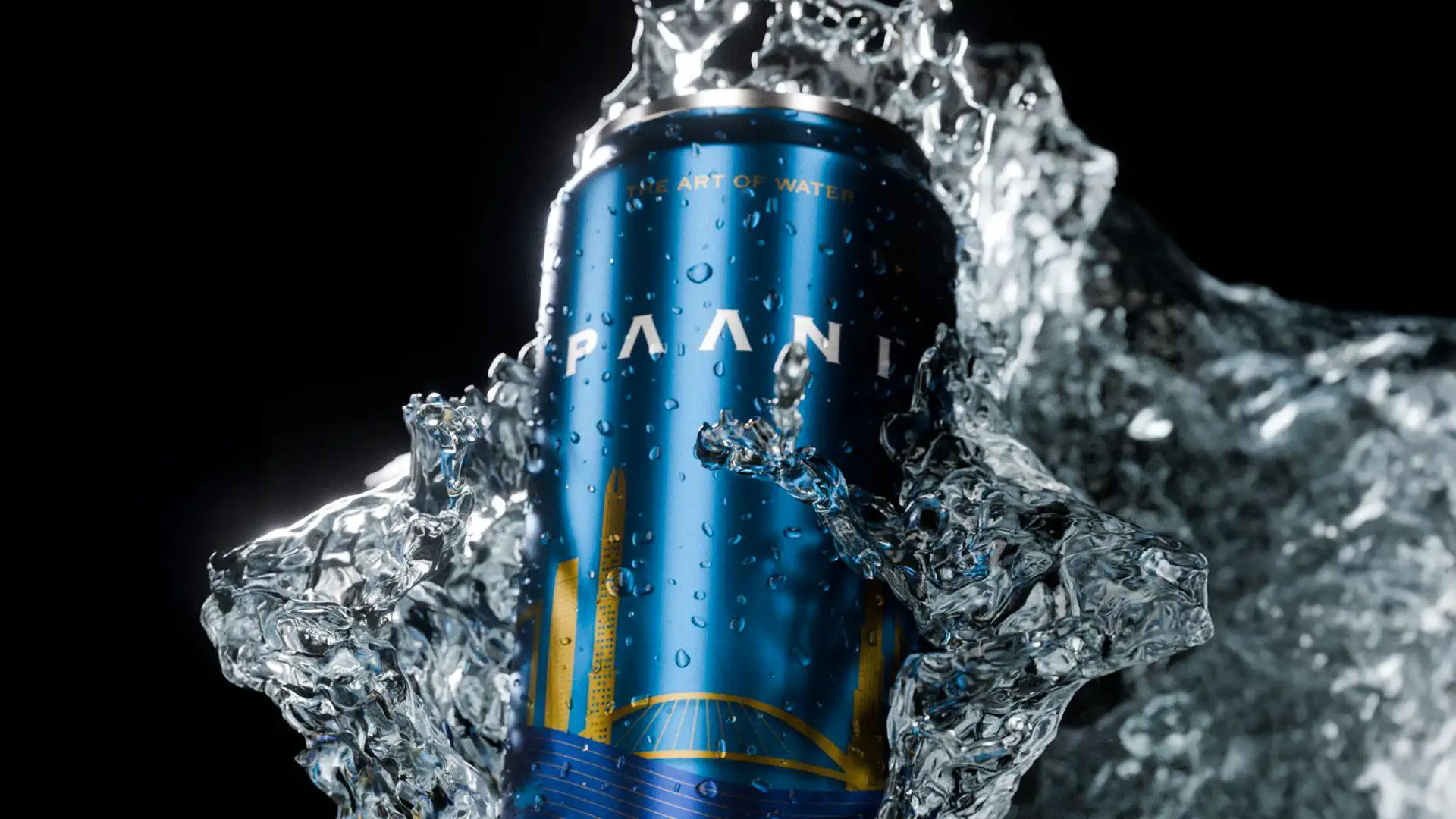


When Fardeen Shaikh launched Paani, the goal was simple but ambitious: create a premium water brand that could compete with the best, without the waste of single-use plastic. From the start, every detail was designed with impact in mind, from recyclable aluminium cans to a controlled distribution model that put quality ahead of mass availability. It wasn’t just about selling water, it was about proving that sustainability can be desirable, aspirational, and commercially viable.
He expected the setup to be a solo mission. Instead, he found a partner in Meydan Free Zone, with his business license.
“They didn’t just give me the license and disappear. They walked me through banking, visas, compliance, things I wouldn’t have known to ask as a first-time setup, even the stuff you don’t think about until it becomes a problem. It felt like I had a partner, not just a Free Zone.” he says.
A Brand Built on Purpose
The name “Paani”, meaning “water” across South Asia, is a nod to heritage and a smart global brand move. The team locked down global trademarks early to protect it. The cans are hard to miss: a Porsche-inspired blue with wave art by Japanese master Hokusai. The UAE edition shows the Dubai skyline, camels, and desert, but future editions will swap in landmarks from other countries, making each one a collectible.
Unlike mass-market water brands, Paani is B2B-first, served exclusively in high-end hotels, restaurants, corporates, and luxury venues, avoiding supermarket shelves to maintain exclusivity and control over the brand experience.
Business Model and Team
Paani operates as a B2B-first brand, supplying premium water exclusively to hotels, restaurants, corporates, and luxury venues, avoiding supermarket shelves for now to preserve exclusivity.
The team is lean:
- Fardeen – Strategy & Operations
- Zainab – Brand & Creative Direction
- Siddhant – Supply Chain & Production
- Ashley – Hospitality Partnerships
Specialised functions like can filling, sealing, and logistics are handled by trusted partners.
Sustainability is central to Paani’s pricing model. Aluminium cans cost more than plastic, but customers are willing to pay a premium for quality and environmental responsibility.
The First 90 Days: From Idea to Operational
Within the first month, Paani went from concept to reality, registered, licensed, and already setting up banking through mCore. Meydan Plus made the process seamless, replacing long application forms and cold calls with direct introductions to decision-makers at banks that fit the business profile.
Early brand-planning meetings took place in Meydan Free Zone’s professional meeting spaces, giving Paani a polished image before it even had its own office.
By day 60, mResidency had handled visas and Emirates IDs for the team, the bank account was open and talks with can suppliers and filling partners were underway.
By day 90, investor meetings were happening, product design was locked in, and content was being shot in Meydan Free Zone’s facilities. mAccounting was there too, making VAT timelines and bookkeeping feel simple, not scary.
Sustainability at the Core
Paani’s 500ml resealable aluminium can is its calling card. The German-engineered lid means it can be opened, resealed, and carried, avoiding the “drink it now or waste it” problem of traditional cans. Aluminium is recycled at a rate of over 95% globally, compared to 7% for plastic, and its resale value keeps it out of landfills and oceans. By replacing plastic bottles with aluminium, Paani directly contributes to the UAE’s Net Zero 2050 ambitions and its Integrated Waste Management Strategy.
The water comes from underground wells in Hatta, avoiding the energy-heavy desalination process common in the region. It goes through reverse osmosis, carbon filtering, and remineralisation, creating a smooth, slightly sweet taste profile. Every stage, from sourcing to sealing, is built to reduce waste and create a product that lasts far beyond the first sip.
From Source to Shelf
Cans and lids are sourced from vetted international suppliers; filling happens locally in Umm Al Quwain. Distribution is direct to premium clients.
Logistics wasn’t without challenges. The early bottleneck was warehousing, it needed to be temperature-controlled and quick to access. Meydan Free Zone’s network fixed that within days. Today, Paani works with third-party providers for storage and delivery, staying lean while ensuring service standards remain high.
“Meydan Free Zone’s referrals saved us weeks,” Fardeen says. “We didn’t have to guess and hope we picked the right people.”
Recycling Made Rewarding
The product is built for recycling, but Paani wanted to go further. The brand is partnering with reverse-vending machine operators across the UAE, offering consumers credits or rewards for every returned Paani can. This initiative directly supports the UAE’s circular economy goals under Law No. (18) of 2024. It’s not just about making sustainable packaging; it’s about creating a culture where recycling is rewarding and instinctive.
Compliance as a Competitive Advantage
In the premium, B2B luxury hospitality space, compliance is a trust signal, it’s a selling point. Meydan Free Zone’s compliance framework ensured that all of Paani’s sustainability claims were backed by proper documentation and certifications. That credibility has already opened doors with hotels, corporates, and even airlines.
“Having that legal and compliance backing means our environmental story is more than marketing. It’s verified,” says Fardeen.
Looking Ahead
The next phase includes the launch of sparkling water in Q3, followed by premium mocktails developed in Vietnam with flavours like passion fruit and Japanese yuzu. Each will have its own design, but the Paani feel will stay the same.
Paani is also planning co-branded editions for luxury hotels and events, GCC market expansion, and ongoing packaging innovations to further reduce its environmental footprint.
When Fardeen looks back at the journey, one thing stands out: “The most valuable part of setting up in Meydan Free Zone was the hands-on support. From registration to banking to compliance, I was never left to figure things out alone, and that made all the difference.”