Table of Contents
Frequently Asked Questions
1. Can foreigners open a bank account in Dubai?
Yes. Foreigners can open bank accounts in Dubai, but the type of account and available services depend on residency status, source of funds, and the bank’s risk assessment.
2. Do I need a UAE residence visa to open a bank account?
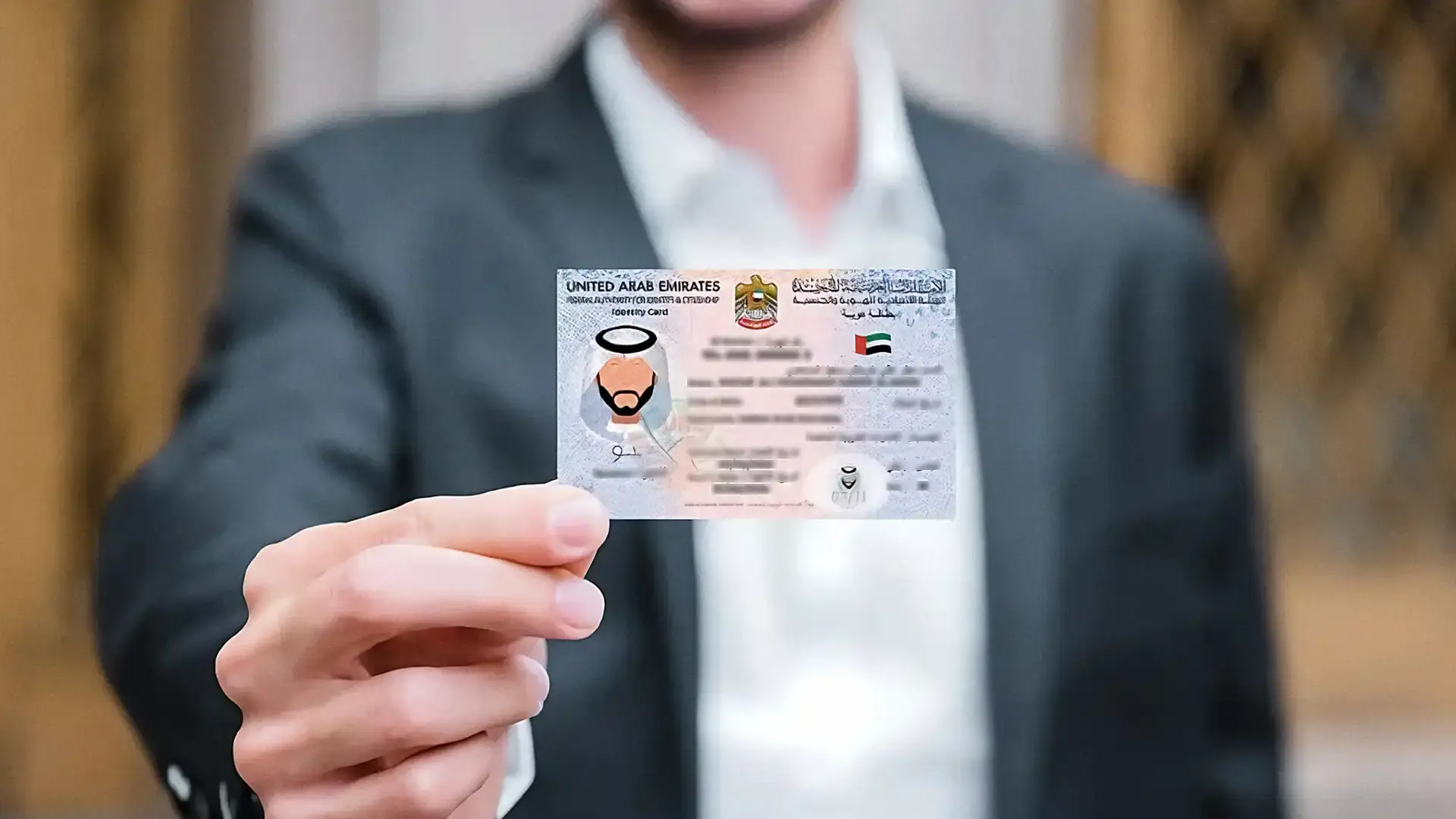
Full banking services typically require a UAE residence visa and Emirates ID. Non-residents may open limited savings or fixed-deposit accounts with higher minimum balance requirements.
3. What is the minimum balance for a bank account in Dubai for foreigners?
Resident accounts usually require AED 3,000–10,000. Non-resident accounts typically require higher minimum balances, often between AED 25,000 and AED 100,000 or more.
4. How long does it take to open a bank account in Dubai?
Processing usually takes 2–7 working days for residents. Non-resident applications may take 2–4 weeks or longer due to enhanced compliance checks.
5. What documents are required to open a personal bank account?
Residents typically need a passport, UAE residence visa, Emirates ID, proof of address, and employment or income details. Non-residents may also need overseas bank statements and source-of-funds documentation.
6. What is required to open a corporate bank account as a foreign founder?
Banks require a valid UAE trade license, company documents, ownership details, business activity information, expected transaction profile, source of capital, and identification of authorised signatories.
7. How does Meydan Free Zone support bank account opening?
Meydan Free Zone provides access to 26+ partner banks, coordinates applications and bank introductions, supports KYC preparation, and manages the process to help eligible businesses secure a guaranteed IBAN outcome.
Topic Summary
1. Proof of Residency or Visa Status
Most banks require foreign applicants to hold a valid UAE residency visa or work permit before opening an account. Tourist visas generally do not qualify.
2. Comprehensive Documentation
In addition to a valid passport, applicants must often submit a no-objection letter from their employer, Emirates ID, proof of address in Dubai, and in some cases, a salary certificate or bank statements from their home country.
3. Minimum Deposit and Account Types
Banks typically require a minimum initial deposit, which varies depending on the type of account—current, savings, or salary account. These amounts can range from AED 3,000 to AED 50,000 or more.
4. Additional Financial Screening
Banks perform background and credit checks to comply with anti-money laundering regulations; this may include requests for references, tax information, and details on the source of funds.
5. Unclear Timelines and Additional Requests
The account approval process can be lengthy and unpredictable, with banks frequently asking for extra documents or clarifications. Applicants should anticipate multiple follow-ups before final approval.
Opening A Bank Account In Dubai For Foreigners: Requirements and Challenges
A newly arrived resident wondering if a bank will even accept their application without a UAE track record, a non-resident founder unsure how much money they need to keep in the account just to open it, a foreign entrepreneur trying to work out why one bank moves fast while another asks for document after document: all three are navigating the same system built around trust and evidence, not nationality.
This guide covers the account types foreigners can open in Dubai, what documents each type needs, realistic timelines and minimum balances, and how to avoid the most common reasons foreign applications get delayed or rejected.
Key Stats at a Glance

Source: Central Bank of the UAE, 2024 Annual Report, via Economy Middle East, April 2025
Do Foreigners Need UAE Residency to Open a Bank Account?
A UAE residence visa is not always mandatory, but it changes everything about how your application is treated. Residents with a valid visa and Emirates ID move through a far simpler process, while non-residents face higher minimum balances, longer processing times, and closer scrutiny of where their money actually comes from.
With 88 to 89% of the UAE's population made up of expatriates, banks are well used to serving foreign customers, but that familiarity comes with correspondingly strict Know Your Customer and source-of-funds checks applied consistently no matter where an applicant is from.
This experience cuts both ways, since a bank that handles thousands of foreign applications a year also spots inconsistent paperwork faster than one that rarely deals with overseas customers.
Minimum Balance and Processing Timelines
Non-residents face both a higher deposit and a longer wait, reflecting the deeper checks a bank runs on an applicant without a local address, income, or visa status to reference. A founder planning around these timelines from the start avoids the frustration of assuming a personal account will move at the same pace as a resident's.
[blockCTACostCalculator]
Common Challenges for Foreign Applicants
A missing UAE residency or local address restricts many non-residents to savings accounts with the higher minimum balance already noted and no chequebook access. Unclear or undocumented source of funds triggers strict Know Your Customer protocols, and any link to a high-risk jurisdiction brings heightened scrutiny and even longer processing.
Many foreign applicants also expect a fully remote process, only to find that most banks still need an in-person visit for identity verification, and inconsistent information across submitted documents can lead to an automatic rejection.
Step-by-Step: Opening Your Account as a Foreigner
- Step 1, confirm your residency status: Work out whether you qualify as a resident or a non-resident, since this decides which documents and timelines apply to you.
- Step 2, gather your personal documents: Residents need a passport, visa, Emirates ID, and address proof, while non-residents need a passport, overseas address proof, and recent bank statements.
- Step 3, prepare your source-of-funds evidence: Have clear documentation ready showing where your money comes from, since this is one of the most closely checked parts of any application.
- Step 4, choose the right account type: Match your account choice to your realistic minimum balance and how you actually plan to use it.
- Step 5, complete your Know Your Customer checks: Expect background and credit checks alongside standard identity verification.
- Step 6, attend your in-person verification: Plan for a branch visit at some stage, since most banks still need this step even for an otherwise digital application.
Opening a Corporate Bank Account as a Foreign Founder
A corporate account needs a valid UAE trade license, company setup documents, shareholder structure and Ultimate Beneficial Owner details, a clear business activity description, and expected transaction volumes, currencies, and counterparties.
Approval typically takes 2 to 6 weeks for a workable business, longer where the activity or jurisdiction involved raises extra questions.
Compliance and What You Need in Place
Clear source of funds documentation
Prepare clean, consistent evidence of where your money comes from before you apply, since unclear source-of-funds documentation is one of the fastest routes to delay or rejection.
Consistent information across every document
Keep your name, address, and business details identical across every document you submit, since a discrepancy in even one field can trigger an automatic rejection.
Realistic minimum balance planning
Budget for the higher non-resident minimum balance if it applies to you, since being caught short on this figure stalls an otherwise strong application.
Preparing for in-person verification
Plan for at least one branch visit, since most banks still need this step no matter how digital the rest of the process feels.
Corporate documentation readiness
Keep your trade license, UBO details, and business activity description accurate and current, since a mismatch here slows down a corporate application just as much as a personal one.
Understanding heightened scrutiny for certain jurisdictions
Expect closer review if your business or personal history touches a higher-risk jurisdiction, since banks apply enhanced due diligence consistently in these cases.
Market Opportunity
With UAE banking sector assets reaching AED 4.56 trillion by the end of 2024, and expatriates making up 88 to 89% of the population, foreign residents and founders sit at the centre of the UAE banking market rather than at its edge.
The 92.1% conviction rate for money laundering cases also shows a system that pursues real enforcement, which is exactly why banks apply such consistent scrutiny to every application, foreign or otherwise.
A Meydan Free Zone founder benefits from this environment through access to 26 or more partner banks, giving a foreign applicant real choice rather than a single path through one bank's specific rules alone.
This range means a well-prepared foreign founder can find a bank suited to their situation and facing far fewer repeated rejections from a mismatched application.
Conclusion
Opening a bank account in Dubai as a foreigner comes down to preparation, clear source-of-funds evidence, consistent documentation, and realistic expectations around minimum balances and timelines, not nationality.
Meydan Free Zone founders who prepare properly and work with the right partner bank from the start move through this process with far fewer delays than those who approach it unprepared.
[blockCTAContact]