Table of Contents
Frequently Asked Questions
1. How can Indian exporters sell vegetables to supermarkets in Dubai?
To sell vegetables to supermarkets in Dubai, exporters must meet retailer procurement standards, align with UAE import regulations, and demonstrate consistent cold chain and documentation compliance. Supermarkets operate centralised buying teams and approved vendor systems, so suppliers are evaluated on reliability, shelf-life stability, grading consistency, and regulatory alignment before pricing discussions advance.
2. What is the UAE fruits and vegetables market size?
The UAE fruits and vegetables market was valued at approximately USD 6.81 billion in 2025 and is projected to reach USD 9.82 billion by 2030, growing at around 7.6% annually. With hypermarkets and supermarkets accounting for roughly 85% of organised grocery spending, modern retail is the dominant distribution channel for fresh produce in the country.
3. Do Indian exporters need a UAE company to supply supermarkets?
While it is possible to supply through a distributor, major supermarket chains typically prefer contracting with UAE-registered entities. A local company allows exporters to invoice in AED, transact through a UAE corporate bank account, and hold regulatory registrations in their own name, which strengthens procurement credibility and simplifies onboarding.
4. How do supermarkets evaluate fresh produce suppliers in Dubai?
Supermarkets evaluate suppliers based on temperature compliance, grading consistency, shelf-life duration upon arrival, documentation accuracy, and delivery reliability. Procurement teams measure performance using shrinkage rates, replenishment punctuality, and repeat compliance. Suppliers that reduce operational risk are prioritised for long-term contracts.
5. How long does sea freight take from India to Dubai?
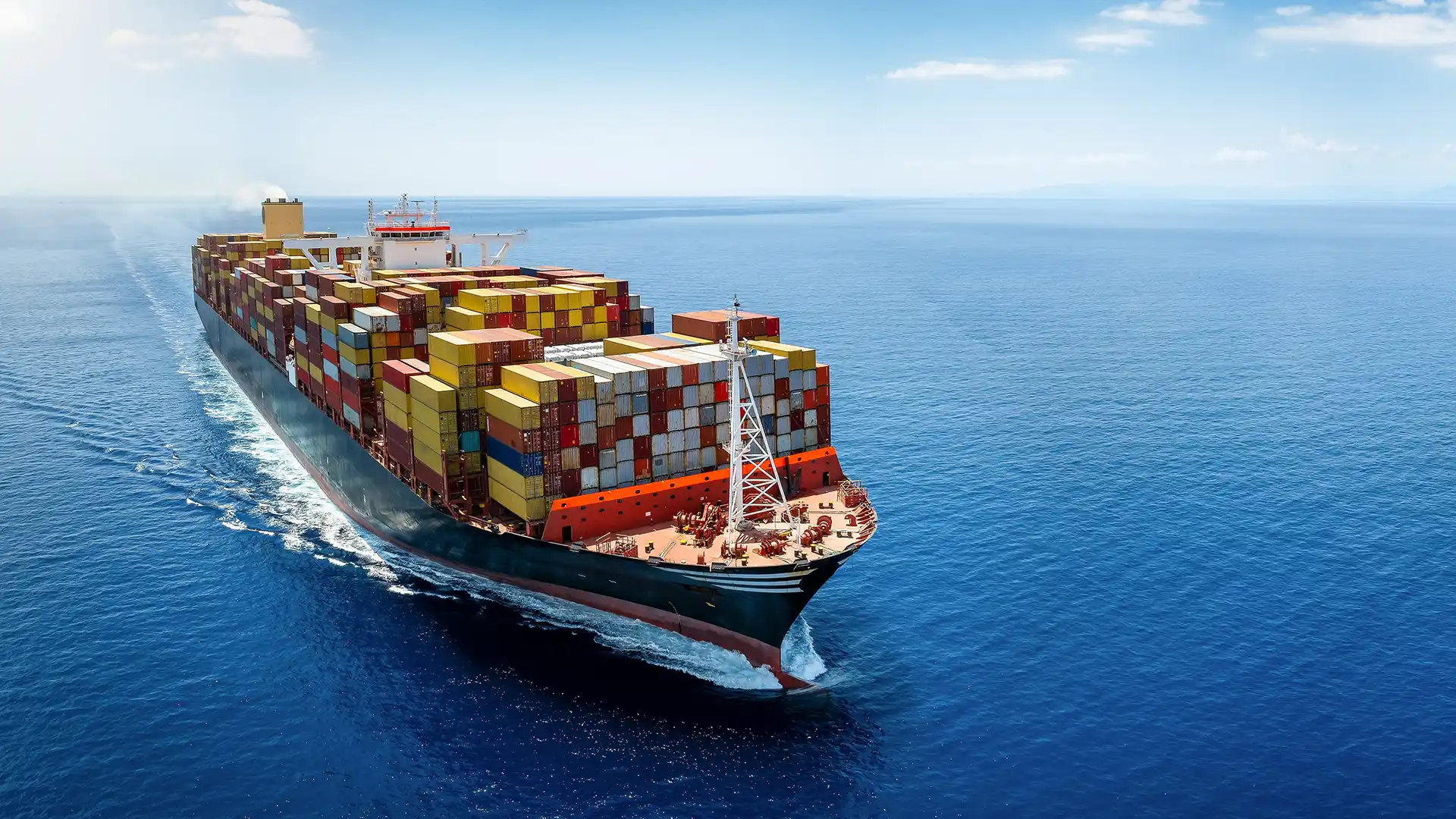
Sea freight from major Indian ports such as Nhava Sheva or Mundra to Jebel Ali typically takes 6-10 days. This short transit window provides Indian exporters with a significant shelf-life advantage compared to European or South American suppliers, particularly for perishable vegetables.
6. Should exporters use a distributor or supply retailers directly?
Using a distributor is often efficient at low shipment volumes or during early market entry. As volumes increase, direct retail engagement can improve margin control, pricing transparency, and buyer relationships. The decision depends on scale, operational readiness, and long-term commercial objectives.
7. What is the role of cold chain compliance in selling vegetables to Dubai supermarkets?
Cold chain compliance is critical because UAE retailers depend on consistent shelf life and quality stability. Temperature deviations during pre-cooling, inland transport, or port staging can reduce retail viability and damage buyer confidence. Supermarkets prioritise suppliers who maintain documented temperature control from origin to arrival.
Topic Summary
How to Sell Fresh Fruits and Vegetables to Retailers and Hypermarkets in Dubai
For many Indian exporters, the goal is clear. They do not just want to ship to Dubai. They want their produce listed inside a major supermarket chain.
That goal is realistic. Per Oliver Wyman¹, the UAE food and grocery retail market was worth USD 40 billion in 2023. Hypermarkets and supermarkets account for about 85% of consumer spending, per Gourmet Pro². This is not a fragmented bazaar economy. It is an organised, procurement-driven retail sector. The top chains run centralised buying teams, approved vendor lists, and category-level sourcing contracts.
The scale is significant. Per LuLu Retail³, LuLu Group alone operates 252 stores across the GCC. It holds about 13% of the GCC's modern offline grocery market. Its entire founder story is rooted in India. Carrefour runs more than 170 outlets across the UAE. These are not occasional buyers of opportunistic stock. They are replenishment-driven systems. They need consistent volume, quality, and documentation every week.
Per Mordor Intelligence⁴, the UAE fruits and vegetables market stands at USD 6.81 billion in 2025. It is projected to reach USD 9.82 billion by 2030, at a CAGR of 7.6%. The country produces only a fraction of what it consumes. Every crate of tomatoes, every bag of onions, every head of cauliflower on retail shelves has passed through an import channel. The question is whose name is on the supplier contract.

The difference between occasional consignments and retail shelf space is structural. Retailers in Dubai work within organised procurement systems. They are not buying produce. They are buying supply stability.
Do you want to sell vegetables to supermarkets in Dubai? Then the real question is simple. Can you meet retailer-grade expectations consistently? And do you have the right commercial structure in the UAE to be taken seriously when you approach procurement?
How Retail Procurement Works in Dubai
Large UAE supermarket chains run centralised category management teams. Fresh produce procurement is forecast-driven, margin-controlled, and performance-measured. New suppliers are assessed through a risk lens before pricing talks begin.
Buyers assess three core variables.
- First, can the supplier keep shelves stocked without disruption?
- Second, can the supplier meet regulatory and documentation standards consistently?
- Third, can the supplier work within predictable pricing and replenishment cycles?
Retailers manage weekly replenishment across dozens or hundreds of outlets. Any supplier that brings volatility raises operational cost. That covers grading, temperature control, or paperwork. So procurement decisions are anchored in reliability.
To sell vegetables to supermarkets in Dubai, exporters must grasp one thing. Retail entry is not relationship-led. It is system-led.
What Supermarkets Expect From Fresh Produce Suppliers
Before a listing discussion moves forward, supermarkets expect two things. Suppliers must show compliance discipline and operational maturity.
Suppliers are not judged on ambition. They are judged on performance. In organised retail, predictability turns into preference.
Packaging, Grading, and Shelf Strategy
Retailers weigh operational ease alongside product quality. Produce that needs sorting, regrading, or repacking at store level creates cost. The following reduce handling friction:
- Standardised grading
- Clear labelling
- Retail-ready cartons
- Predictable pack formats
Shelf space in hypermarkets is competitive and performance-tracked. Some suppliers align their packaging and grading with retail workflow. They reduce operational intervention and increase reorder probability.
Cold chain discipline protects the product. Packaging discipline protects shelf performance.
Why UAE Presence Matters
Supermarket chains in the UAE contract with approved suppliers under formal agreements. These usually require a UAE-registered company and a valid business license. The license must match the intended trading activity. Retailers also expect suppliers to transact within the country's regulatory and banking framework.
A locally registered entity gives exporters clear advantages. You can invoice in AED. You can receive payment through a UAE corporate bank account. And you can hold compliance records in your own company name, not through an intermediary. This clarity simplifies onboarding and strengthens buyer confidence.
Meydan Free Zone provides a digital company formation pathway. It lets founders set up a Dubai-registered entity with 100% foreign ownership. The setup runs online. It forms the commercial base needed to engage retailers directly. The business activity must match the products being traded. Extra approvals may apply depending on the category.
For procurement teams managing multi-store supply chains, a supplier with a UAE structure is easier to work with. They are easier to contract, easier to pay, and easier to hold accountable within the regulatory system.
In organised retail, structural readiness signals seriousness.
[blockCTABizSetup]
The Commercial Reality
The UAE fruits and vegetables market is worth USD 6.81 billion in 2025. It is projected to reach USD 9.82 billion by 2030. Hypermarkets and supermarkets account for most grocery spending. That is roughly 85% of consumer spend in the food category.
LuLu's 250-plus stores and Carrefour's 170-plus UAE outlets show the scale of modern retail concentration. A single approved SKU across a national chain can mean recurring weekly purchase orders across dozens of locations. Retailers forecast quarterly demand. They negotiate annual pricing frameworks. And they monitor supplier KPIs continuously.
Consider the difference between two approaches. One supplies through occasional shipments. The other secures a direct retailer contract. That is the difference between episodic revenue and recurring volume. Shelf continuity is measurable. So is supplier reliability.
Exporters who treat Dubai as an opportunistic export destination tend to stay opportunistic suppliers. Others treat it as a structured, compliance-driven retail ecosystem. They back it with disciplined cold chain management and a UAE commercial base. They position themselves for scale.
Are you preparing to sell vegetables to supermarkets in Dubai? Then the next step is structural. Set up your UAE company with Meydan Free Zone. Obtain the business license that matches your trading activity. Then review your setup investment through the Cost Calculator before you make your move.
[blockCTACostCalculator]
Footnotes
¹ Oliver Wyman, "How UAE and KSA Grocery Retailers Can Stay Competitive," November 2024.
² Gourmet Pro, "Supermarkets in Dubai UAE Retail Landscape," 2024.
³ LuLu Retail, "LuLu Story: About Us," 2024.
⁴ Mordor Intelligence, "United Arab Emirates Fruits and Vegetables Market," 2025.