
Table of Contents
Frequently Asked Questions
FAQs
1. What is required for import and export from India to Dubai?
You need a trade license, a Customs Code from Dubai Customs, and an Importer–Exporter Code (IEC) from India’s DGFT. Meydan Free Zone helps entrepreneurs obtain licenses and customs registration digitally within days.
2. How can I start an import-export business in Dubai?
Choose your trading activities, apply for a General Trading License, and register with Dubai Customs for a Customs Code. Through Meydan Free Zone, this entire process is digital and completed in under a week.
3. How long does it take to get a Dubai Customs Code?
When applying through Meydan Plus, the Dubai Customs Code is typically issued within three working days, allowing you to begin importing and exporting goods legally through UAE ports.
4. What products are most profitable to export from India to Dubai?
Popular categories include textiles, jewellery, electronics, machinery, and packaged foods. With CEPA tariff benefits, Indian goods enjoy reduced duties, making the export of goods from India to Dubai highly profitable.
5. What are the customs duties for Indian goods in Dubai?
Most goods attract 5% customs duty and 5% VAT. Under CEPA, more than 80% of Indian exports qualify for zero duty, helping reduce costs and improve profit margins.
Topic Summary
1. Understanding Bilateral Trade Agreements
India and the UAE maintain robust trade relations fortified by bilateral agreements that facilitate smoother customs clearance and reduced tariffs. Familiarity with these agreements, such as the UAE-India Comprehensive Economic Partnership Agreement (CEPA), enables exporters and importers to leverage preferential tariff rates and simplified customs procedures.
2. Essential Customs Documentation
Successful import and export transactions require precise documentation, including commercial invoices, packing lists, certificates of origin, and bills of lading. Indian exporters must also ensure compliance with Dubai Customs’ electronic documentation systems, such as the Dubai Trade portal, to expedite clearance and avoid delays.
3. Compliance with Regulatory Standards and Procedures
Dubai enforces strict conformity with product quality standards and regulatory requirements. Exporters must ascertain that their goods comply with the UAE’s import restrictions, labelling norms, and health and safety standards, particularly for food items, textiles, and electronics. Obtaining necessary certifications prior to shipment is critical to ensure seamless customs clearance.
4. Customs Duties and Taxes
While Dubai imposes generally low customs duties, awareness of applicable tariffs based on product categories is essential. The standard customs duty rate is 5%, though some goods enjoy exemptions or zero-duty status under free trade agreements. Importers should also consider other levies such as Value Added Tax (VAT) applicable at 5% on most goods imported into the UAE.
5. Logistics and Strategic Advantages of Dubai
Relocating business operations from India to Dubai offers strategic logistical benefits. Dubai’s location as a major global transhipment hub provides Indian entrepreneurs with excellent connectivity to markets across Asia, Africa, and Europe. Access to state-of-the-art port infrastructure, bonded warehouses, and free zones such as Jebel Ali Free Zone significantly reduces turnaround times and operational costs for import-export businesses.
Import and Export From India to Dubai: A Complete Guide to Customs, Rules, and Procedures
Relocating from India to Dubai is more than a lifestyle change, it’s an entry into one of the world’s most active trade routes. The emirate connects Asia, Africa, and Europe, giving Indian entrepreneurs access to multiple markets from one strategic hub. Whether you plan to export textiles from Surat, ship packaged foods from Kochi, or trade electronics sourced from Mumbai, the emirate offers a stable, tax-efficient base for growth.
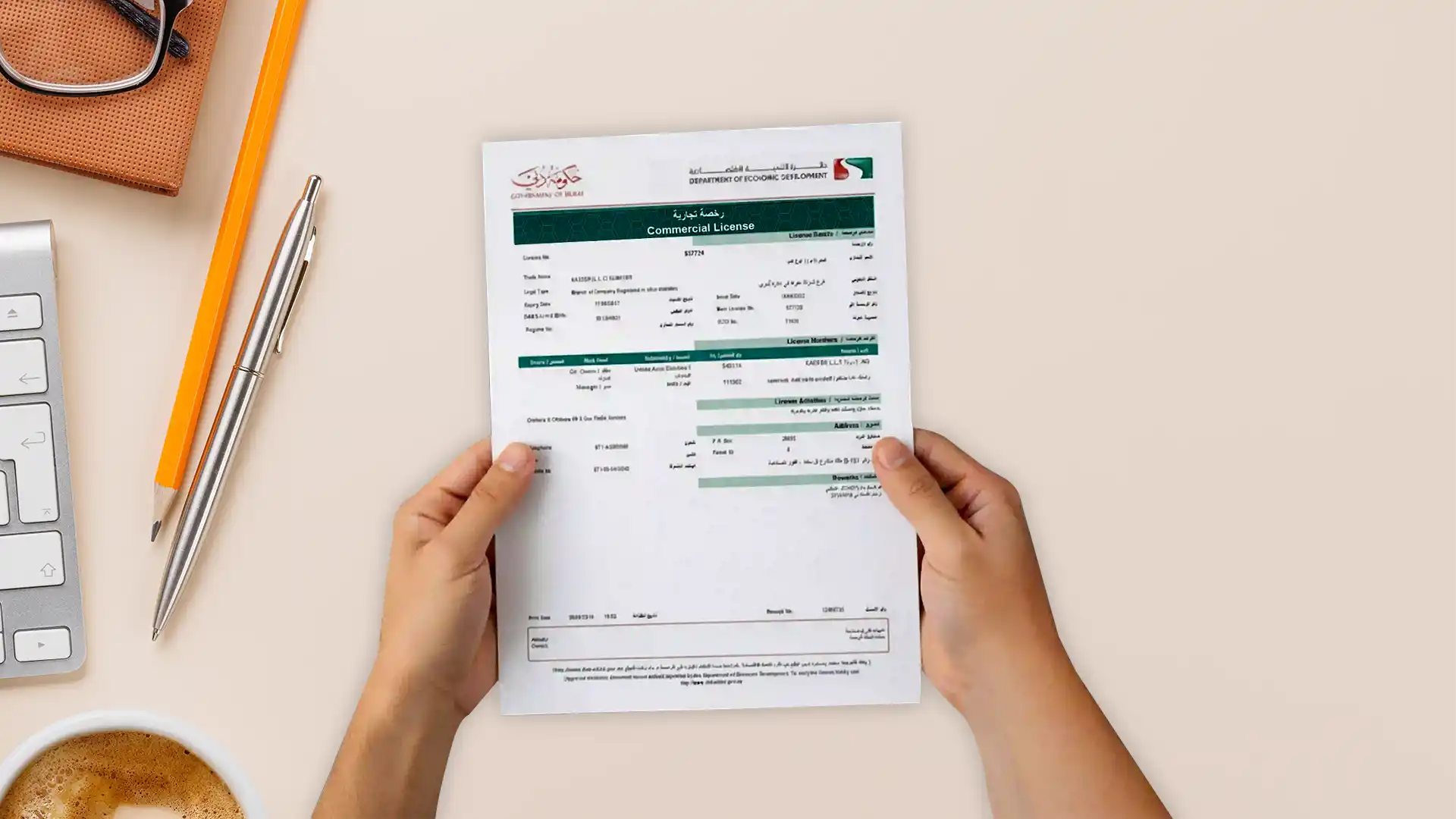
To start import and export From India to Dubai, you’ll need the right structure: a valid trade license, a customs code, and an understanding of import and export regulations. That’s where Meydan Free Zone makes your setup faster and simpler. Through its fully digital platform, you can obtain a business license in under 60 minutes for trading, import, export, or re-export activities. Once licensed, apply for a Dubai Customs Code, a prerequisite for clearing goods through UAE ports. With Meydan Plus, the free zone’s integrated business support service, this process takes as little as three working days.
According to the India Brand Equity Foundation (IBEF)¹, citing India Ministry of Commerce data, India exported over USD 36 billion in goods to the UAE in FY25, with engineering goods and gems leading the categories and electronics emerging as the fastest-growing segment. And according to the UAE-India Business Council², bilateral trade between the two countries reached USD 101.25 billion in FY 2025-26, crossing the USD 100 billion mark for the second consecutive year and setting a new joint target of USD 200 billion by 2032.
India exported over $36 billion to the UAE in FY25 – here's where the money flows. Engineering and gems lead, but electronics is the fastest-growing category.
.webp)
Data sourced from IBEF India-UAE Trade Relations Report (2025) citing India Ministry of Commerce data.
For Indian entrepreneurs like you, this combination of instant licensing, guided customs registration, and tax-free operation ensures a compliant and efficient start from day one.
[blockCTAmPlus]
The India–Dubai Trade Market: An Expanding Corridor of Opportunity
India and Dubai share one of the world’s most active bilateral trade relationships. India consistently ranks among Dubai’s top trading partners, accounting for nearly 9% of the emirate’s total imports and exports. This corridor thrives on Dubai’s advanced logistics, India’s manufacturing strength, and tariff benefits under the Comprehensive Economic Partnership Agreement (CEPA).
For Indian exporters, this corridor not only simplifies access to the UAE market but also opens direct gateways to the wider GCC, African, and European regions. The infrastructure at Jebel Ali Port and Dubai International Airport enables faster movement of goods, shorter turnaround times, and easy re-export opportunities.
[blockCTAmCore]
What Does Import and Export from India to Dubai Mean?
Import and export from India to Dubai refers to the regulated exchange of goods between both markets. It includes exporting goods from India to Dubai, such as textiles, jewellery, machinery, electronics, and food items, as well as importing products from Dubai to India, including petroleum, gold, and consumer electronics.
To begin, you must obtain an Importer–Exporter Code (IEC) from the Directorate General of Foreign Trade (DGFT) and prepare documents like invoices, packing lists, and Certificates of Origin for customs clearance.
Once your shipment reaches Dubai, you’ll need a valid trade license and must complete clearance through Dubai Customs before goods enter the market. A General Trading License authorises you to import, export, and re-export goods, manage e-commerce and B2B trade, and access logistics services.
If you set up your business in Meydan Free Zone, all of this is digital. After licensing, you can apply for your Dubai Customs Code through Meydan Plus, which is typically issued within three working days, a mandatory requirement before your goods can move through UAE ports.
[blockCTAmResidency]
Key Products Driving Trade Between India and Dubai
The import-export from India to Dubai revolves around high-demand products that play to India’s strengths. Jewellery and precious stones lead exports, followed by textiles, pharmaceuticals, machinery, and packaged food. Electronics and auto parts are major contributors to Dubai’s re-export network, while petroleum derivatives, chemicals, and luxury goods dominate exports from Dubai back to India.
This two-way exchange connects Indian producers with global demand through Dubai’s logistics and financial infrastructure, giving your business worldwide reach.
Profitable Goods to Import and Export in Dubai
If you’re deciding what to trade, focus on sectors with proven profitability. Choosing the right product mix aligned with CEPA’s tariff benefits will enhance your competitiveness.
| Product Category | Why It Works for Indians | Key Market |
|---|---|---|
| Electronic gadgets | High consumer demand, regional e-commerce | GCC, India |
| Health & wellness | Wellness boom, supplements (must comply with regs) | Asia, Europe |
| Food & beverage | Trendy speciality foods, re-exports to Europe | GCC |
| Automotive parts | Dubai as re-export/refurb hub | Africa |
| Construction materials | Mega projects + Expo legacy | Middle East |
[blockCTAmAssist]
How to Start an Import-Export Business in Dubai
Setting up an import-export business is a structured process. With Meydan Free Zone, it can be completed online within a few days.
- Choose Business Activities – Select the product categories you intend to trade, such as textiles, electronics, or food items.
- Reserve a Trade Name – Register your company name under the UAE naming guidelines.
- Apply for a General Trading License – Submit your license application through Meydan’s digital platform, covering import, export, and re-export permissions.
- Register with Dubai Customs – Apply for a customs code to move goods through UAE borders legally.
- Open a Business Bank Account in Dubai – Once licensed and registered, you can start trading, issue invoices, and manage shipments.
When these steps are complete, your business is ready to begin exporting goods from India to Dubai or importing products from Dubai to India under full regulatory compliance.
[blockCTAmAccounting]
Digital Integration for Your Import-Export Business with Meydan Free Zone
With Meydan Free Zone, your import-export documentation starts at the licensing stage.
Once your business is registered, our team supports with:
- Trade license setup with import-export activity
- Customs code application
- Emirates post and courier registration
- Documentation templates for invoice, packing list and shipping documents
- Guaranteed business banking support to facilitate international payments
This integrated support reduces administrative delays and ensures compliance for first-time traders.
Understanding the Customs Code in Dubai, UAE
A Customs Code is your company’s official registration number with Dubai Customs. It allows you to import and export goods through the UAE borders legally. This identifier is sometimes called a Dubai Trade import code, a customs registration number, or an import-export customs code in Dubai or a UAE customs clearance code.
Without it, you cannot clear shipments, even if you have a valid trade license. Through Meydan Plus, your Customs Code application is processed quickly and accurately, allowing you to begin trading without interruptions.
HS Codes and Customs Duties
In Dubai, every product traded internationally must be classified using a 12-digit Harmonised System (HS) Code. It determines applicable duties and CEPA eligibility. Misclassification can cause delays or fines, so always confirm your product’s HS code through the Dubai Customs Tariff Portal to ensure accuracy.
[blockCTAContact]
Dubai Customs Duty Structure
| Type of Import | Duty Rate |
|---|---|
| General imports | 5% of CIF (Cost + Insurance + Freight) value |
| VAT | 5% on (CIF + customs duty) |
| Alcohol | 50% |
| Tobacco | 100% |
| Duty exemption | Parcels ≤ ₹6,800 (AED 300) and ≤ 70 kg via courier |
How Customs Duties Are Calculated
- The standard customs duty rate in Dubai is 5% and is applied to the CIF (Cost, Insurance, and Freight) value of most imported goods.
- CIF Value = Cost of goods + Insurance + Freight charges
- Customs Duty Formula: Customs Duty=CIF Value×Duty RateCustoms Duty=CIF Value×Duty Rate
Example: For goods valued at ₹227,000 (AED 10,000), with ₹11,350 (AED 500) insurance and ₹22,700 (AED 1,000) freight, the CIF value is ₹261,050 (AED 11,500). Duty (at 5 %) = ₹13,050 (AED 575).
How the Customs Code Works After Registration
Once your Customs Code is approved, it links automatically to your account on the Dubai Trade and Dubai Customs portals. It is required for:
- Import and Export Declarations – Every clearance submission at the UAE borders.
- Port and Warehouse Access – Scheduling inspections and offloads at major ports.
- Freight Forwarder Coordination – Linking your shipments to Customs tracking.
- Trade License Validation – Ensuring license activities match declared goods.
- Payments and Fees – Customs duties and declarations billed under your company code.
Meydan Free Zone ensures your license activities align with your Customs Code to prevent mismatches, penalties, or clearance delays.
[blockCTACostCalculator]
Step-by-Step: Exporting Goods from India to Dubai
[blockAccordionSteps]
Following these steps ensures compliance with customs procedures for Indian exporters to Dubai and prevents costly shipment delays.
Step-by-Step: Importing Products from Dubai to India
- Register as an importer and obtain an IEC.
- Verify product eligibility under India’s Foreign Trade Policy (FTP).
- Prepare the Bill of Entry, invoice, and packing list.
- File clearance through ICEGATE.
- Pay applicable import duties and GST.
- Meet product-specific compliance (FSSAI, BIS, etc.).
This sequence ensures smooth handling of importing products from Dubai to India under Indian customs regulations.
[blockCTANameCheck]
Customs Documentation and Shipping
All import-export shipments must be supported by correctly attested documentation. Incomplete or inconsistent paperwork is one of the main reasons for customs delays.
Key recommendations:
- Ensure all commercial invoices and certificates match shipment data.
- Use licensed freight forwarders and clearing agents.
- Maintain digital copies for audit purposes.
Key Customs Documentation
| Document | Purpose |
|---|---|
| Trade License | Authorises import/export activity. |
| Certificate of Origin (CoO) | Proves goods originate from India. |
| Arab CoO | Required for exports to Dubai. |
| Commercial Invoice & Packing List | Details value, quantity, and weight. |
| Bill of Lading / Airway Bill | Proof of shipment. |
| Health or Phytosanitary Certificate | For food and agricultural goods. |
| Insurance Certificate | Covers transit risk. |
| Customs Declaration (Mirsal 2) | Electronic filing for Dubai Customs. |
| Delivery Order | Enables collection from port. |
| Customs Client Code | Mandatory for all import/export companies. |
India–UAE CEPA: Game-Changer for Indian Exporters
The Comprehensive Economic Partnership Agreement (CEPA) simplifies clearance and lowers costs for Indian exporters by:
- Minimising documentation.
- Allowing faster verification of origin.
- Providing tariff preference on qualifying goods.
For businesses registered in Meydan Free Zone, CEPA enhances competitiveness through lower landed costs and broader re-export opportunities.
Customs Procedures and Taxation in Dubai
- Register with Dubai Customs and obtain a customs code.
- File declarations through Mirsal
- Attach invoices and CoOs.
- Pay customs duty and VAT online.
- Obtain goods-release confirmation.
Most goods attract 5 % customs duty and 5 % VAT, though CEPA exemptions apply to many Indian products.
The UAE–India Comprehensive Economic Partnership Agreement (CEPA), implemented in 2022, has reduced or removed tariffs on most Indian exports to the UAE.
- Zero duty on 80 % of Indian products.
- Covers about 97 % of trade value.
- Beneficiary sectors: gems & jewellery, textiles, engineering, pharmaceuticals, agriculture.
- Requires 40 % regional value content and a valid Certificate of Origin (CoO).
This framework gives Indian traders a cost advantage and faster customs clearance when exporting goods from India to Dubai.
[blockCTABizActivityList]
Trade Regulations: Compliance and Best Practices
To meet trade regulations for Indians exporting to Dubai, companies should:
- Ensure accurate HS code and product descriptions.
- Verify licenses for restricted goods.
- Retain customs and shipping records for five years.
- Review GCC Integrated Customs Tariff updates regularly.
- Use authorised clearing agents and freight partners.
Compliance and CEPA Optimisation Checklist
| Area | Action |
|---|---|
| CEPA Eligibility | Verify inclusion on zero-duty list. |
| Rules of Origin | Maintain proof of 40% value addition. |
| Record Keeping | Retain documents for 5 years. |
| VAT Compliance | File returns on schedule. |
| Customs Updates | Monitor tariff revisions quarterly. |
| Free Zone Support | Use Meydan Plus for customs and banking guidance. |
Common Customs Delays and How to Avoid Them
| Challenge | Recommendation |
|---|---|
| Incorrect documentation | Cross-verify all forms before submission. |
| Wrong HS code | Confirm via Customs Tariff Portal. |
| CEPA non-compliance | Ensure 40% value addition and valid CoO. |
| Delay in Customs Code | Apply via Meydan Plus early in setup. |
| Freight delays | Use reliable providers such as DHL. |
Key Tips for Successful Trade
- Get documents attested by UAE Embassy (India) and MoFA (UAE).
- Maintain correct HS classification.
- Confirm CEPA eligibility before shipment.
- Register with Meydan Free Zone for tax and compliance benefits.
Advantages of Relocating and Setting Up in Dubai With Meydan Free Zone
[blockFaqsCategory]
Building a Compliant and Competitive Trade Setup With Meydan Free Zone
The import export India to Dubai corridor continues to grow, supported by CEPA and advanced trade infrastructure. For Indian entrepreneurs, understanding customs procedures for Indian exporters to Dubai, meeting compliance standards, and obtaining the correct documentation are crucial first steps.
By starting with Meydan Free Zone, entrepreneurs gain direct access to digital licensing, customs registration, and compliance tools built for international trade. The result is a transparent, well-supported business journey, from incorporation to global export, rooted in one of the world’s most efficient trading hubs.
[blockCTATradeLicense]
Footnotes
¹ India Brand Equity Foundation (IBEF), "India-UAE Trade Relations Report," citing India Ministry of Commerce data, 2025.
² UAE-India Business Council (UICC), "The UAE-India CEPA at Four: Bilateral Trade Crosses USD 100 Billion for Second Year," via Times of Oman, May 2026.