
Table of Contents
Frequently Asked Questions
What is Activity Code 8129.94 and what does it cover in Dubai
Activity Code 8129.94 is the official UAE business activity classification for Airport Runways Cleaning Services. It falls under Support Service Activities, aligned with ISIC 8129 as classified by UAE authorities.
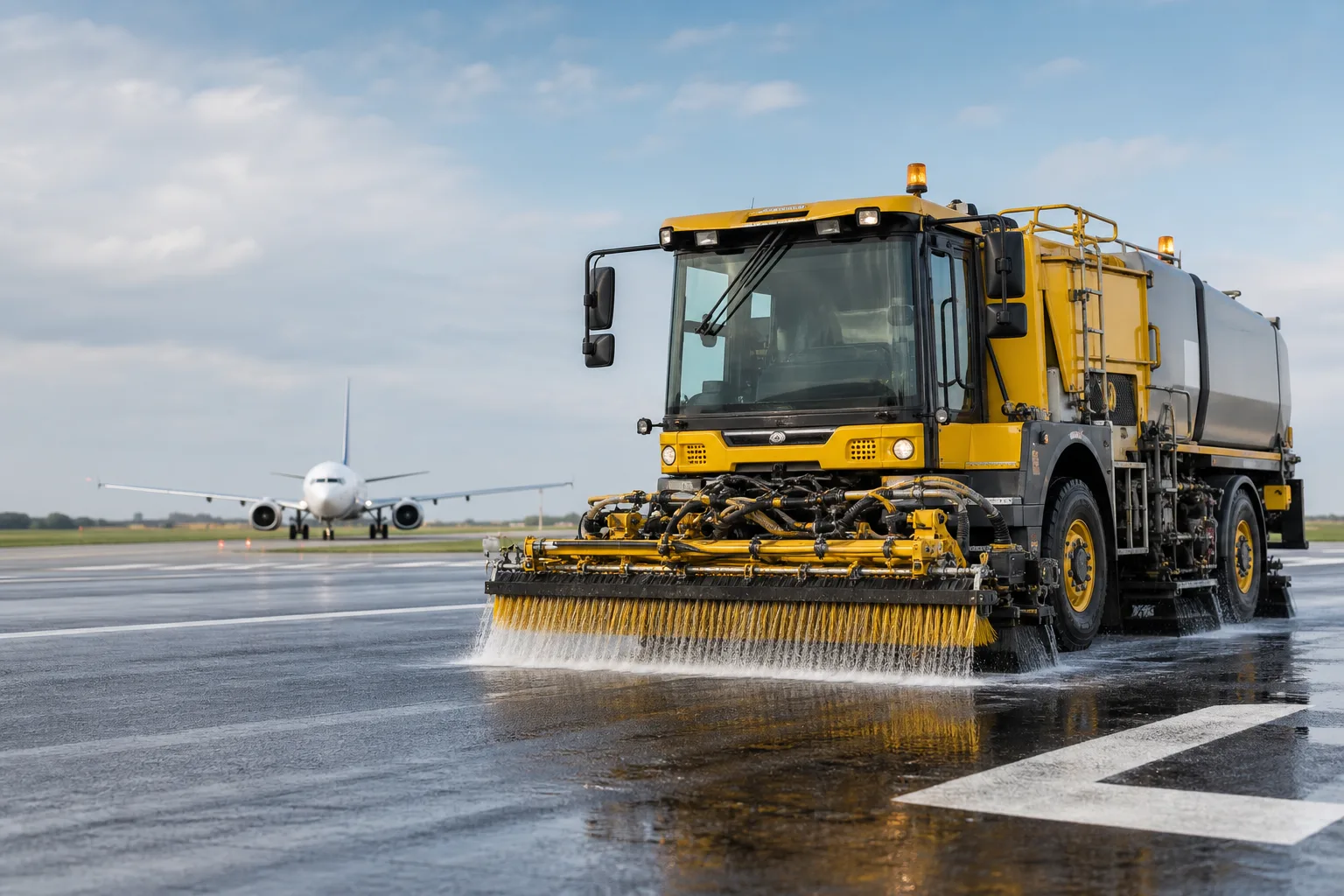
The activity covers specialised cleaning of airport runways, taxiways, aprons, and airside infrastructure. Core service lines include rubber deposit removal, Foreign Object Debris (FOD) clearance, surface decontamination, and maintenance of runway markings.
This is not a general or consumer-facing cleaning business. Clients are airport operators, ground handling companies, and aviation authorities — all of which operate through formal procurement and vendor registration processes.
Do I need a mainland DED licence or can I use a free zone licence for airport runway cleaning in Dubai
A mainland DED licence is the standard requirement if you intend to contract directly with Dubai Airports or government-linked operators. Free zone entities cannot hold airside operational contracts without a mainland presence or an approved sub-contracting arrangement.
That said, a free zone entity — such as a Meydan Free Zone company — can be a viable starting point for founders who want to test the market, build relationships, or hold IP and management functions before committing to a full mainland operational entity.
Since the 2021 amendment to the UAE Commercial Companies Law, 100% foreign ownership is permitted on the mainland for most commercial activities including this one, removing the historical ownership advantage that free zones once held.
Can a foreign national own 100% of an airport runway cleaning business on the Dubai mainland
Yes. The 2021 amendment to the UAE Commercial Companies Law permits 100% foreign ownership on the mainland for most commercial activities, and Activity Code 8129.94 falls within this scope.
There is no longer a structural reason to avoid mainland registration on ownership grounds alone. Foreign founders can establish and fully own a mainland entity and directly pursue government tenders and airport authority contracts.
What are the steps to set up an airport runway cleaning licence in Dubai
The process begins with reserving a trade name through the Dubai DED e-Services portal for a mainland entity, or through the Meydan Free Zone portal for a free zone entity. Name reservation typically completes within one working day.
Next, you select Activity Code 8129.94 and verify whether any initial approval from an aviation authority is required at the licence issuance stage — in most cases it is not, but confirming this avoids delays.
You then submit incorporation documents including the Memorandum of Association and supporting shareholder documentation. Subsequent steps involve securing airside access clearances, registering as a vendor with the relevant airport authority, and sourcing aviation-grade equipment and trained personnel before commencing operations.
What is the market size and demand outlook for airport cleaning services in Dubai
Dubai International Airport handled over 86 million international passengers in 2023, making it the world's busiest airport for international traffic. This volume creates sustained, high-value procurement demand for specialist airside cleaning contractors.
Al Maktoum International Airport (DWC) is projected to reach a 260 million passenger capacity upon full expansion, representing a significant long-term growth driver for airside service providers in the emirate.
The global airport cleaning services market is valued at over USD 1.2 billion and growing, according to IMARC Group. The UAE aviation sector contributes approximately 15% of Dubai's GDP, underpinning the scale of ongoing procurement activity in this space.
What are the typical contract structures and revenue characteristics for airside cleaning operators
Airside cleaning contracts typically run for one to three years with renewal options, providing established operators with strong revenue visibility compared to many other service businesses.
Clients — airport operators, ground handling companies, and aviation authorities — use formal procurement processes and vendor registration requirements, which means winning a contract involves upfront compliance work but also creates meaningful barriers to entry that protect incumbents.
The long-term contract structure, combined with the AED 128 billion+ UAE aviation infrastructure investment pipeline through 2030, supports a favourable outlook for operators who achieve initial vendor approval and build a track record.
What are the key barriers to entry for airport runway cleaning businesses in Dubai
This activity carries meaningful barriers to entry that distinguish it from general cleaning businesses. Operators require aviation-grade equipment, formally trained personnel, and airside access clearances — none of which can be improvised after a licence is issued.
Vendor registration with airport authorities involves compliance checks, insurance requirements, and operational capability assessments. Clients such as Dubai Airports and government-linked ground handling companies apply rigorous procurement standards before awarding contracts.
These barriers are a feature for established operators, as they limit competition and support longer contract durations, but founders must plan and budget for the full compliance and equipment investment before expecting to generate revenue.
Is the Meydan Free Zone a suitable jurisdiction for starting an airport runway cleaning business
Meydan Free Zone offers a lean cost structure that can suit founders in the early stages — particularly those looking to test the market, build relationships with potential clients, or hold IP and management functions before committing to a fuller mainland operational entity.
However, it is important to understand the limitation: a free zone entity alone cannot hold airside operational contracts with Dubai Airports or government-linked operators without a mainland presence or an approved sub-contracting arrangement in place.
Meydan Free Zone is therefore best viewed as a viable starting point rather than a permanent operational structure for founders whose end goal is to win direct airside cleaning contracts in Dubai.
Airport Runways Cleaning Services Business Setup in Dubai
Dubai International Airport handles more than 86 million passengers a year. Keeping runways clean and safe is skilled work, and airports pay well for it.
This is not a general cleaning business. It is regulated, it needs proper kit and trained staff, and it is hard to break into. That last part is good news once you are in. This guide covers the license, the rules, and the setup for activity code 8129.94.
Key Stats at a Glance
| Detail | Information |
|---|---|
| Activity name | Airport Runways Cleaning Services |
| Activity code | 8129.94 |
| ISIC code | 8129, Support Service Activities |
| Where you can set up | Dubai mainland (DET) for direct airside contracts; Meydan Free Zone as a starting point |
| Foreign ownership | 100% on the mainland, since the 2021 change to the UAE Commercial Companies Law |
| Trade name reservation | About one working day |
| License issue time | 3–7 working days once your papers are complete |
| Airside staff passes | Needed for everyone working near a runway; allow 4–8 weeks |
| Vendor registration | A separate process from the license; allow 2–4 months |
| Equipment standard | Must meet ICAO and GCAA airside safety rules |
| VAT registration point | AED 375,000 yearly turnover |
Sources: Invest in Dubai; Federal Tax Authority (FTA)
What This Business Covers

Activity code 8129.94 covers specialist cleaning of runways, taxiways, aprons, and the rest of the airside area. The main jobs are:
- Removing rubber deposits left on runway surfaces by landing aircraft
- Clearing Foreign Object Debris, known as FOD
- Cleaning up spills and contamination
- Keeping runway markings in good condition
Every one of these needs aviation-grade machines, trained staff, and airside passes. You cannot sort those out after the license lands. Plan for them from the start.
Who Your Clients Will Be
You will be selling to airport operators, ground handling firms, and aviation authorities. Nobody here buys on a phone call. They run formal tenders, they want you on their approved vendor list first, and they sign long contracts once they trust you.
The upside is that the same hurdles keep new rivals out. Once you are approved and doing good work, the contracts tend to stay with you.
Mainland or Free Zone: Which One Suits You
Mainland license. This is the standard route if you want to work directly with Dubai Airports or government-linked operators. Since the 2021 change to the UAE Commercial Companies Law, you can own 100% of a mainland company for most activities, including this one. So there is no ownership reason to avoid the mainland any more.
Free zone license. A Meydan Free Zone company on its own cannot hold airside contracts. You would need a mainland presence, or an approved sub-contracting deal, to do the work itself.
Where a free zone still helps. Meydan Free Zone keeps your costs low early on. It suits founders who want to test the market, build contacts, or hold the management side of the business before they commit to a full mainland operation. Treat it as a starting point, not the finished structure.
One more thing to check. If your work spreads into port or logistics areas next to the airside zone, the Ports, Customs and Free Zone Corporation (PCFC) rules may apply too.
[blockCTACostCalculator]
Step-by-Step Setup Guide
- Step 1, book your trade name: Use the Dubai DET e-Services portal for a mainland company, or the Meydan Free Zone portal for a free zone one. This usually takes about a working day.
- Step 2, pick activity code 8129.94: Ask at this point whether any aviation authority approval is needed before the license is issued. Usually it is not, but checking saves delays later.
- Step 3, send in your setup papers: You need the Memorandum of Association, passport copies for every shareholder and director, and a No Objection Certificate if a shareholder is on a UAE residence visa sponsored by someone else.
- Step 4, collect the license: DET issues it for mainland companies. The free zone authority issues it for free zone ones. Allow 3 to 7 working days once your papers are complete.
- Step 5, register with MOHRE: You must register with the Ministry of Human Resources and Emiratisation (MOHRE) before you hire anyone. That includes signing up to the Wage Protection System.
- Step 6, apply for airside passes: Everyone working on or near a runway needs a pass from the Dubai Airports Security Department. Background checks are thorough, so allow 4 to 8 weeks.
- Step 7, buy compliant kit: All machinery must meet ICAO standards and the airside safety rules set by the UAE General Civil Aviation Authority (GCAA). Sort this before you start work.
- Step 8, register for VAT: Once yearly turnover passes AED 375,000, you must register with the Federal Tax Authority (FTA). You then file every quarter.
What You Must Have in Place to Operate
The license is the easy part. This is the list that decides whether you can actually trade.
Staff clearance. Every person who goes airside needs GDRFA-approved security clearance and a documented background check. That means everyone, not just supervisors.
Equipment. Machines must meet GCAA airside safety standards. Using kit that does not comply can end your contract on the spot, and can put your license at risk.
Vendor registration. Getting on the Dubai Airports vendor list is separate from getting the license. Allow two to four months. Expect financial audits, insurance checks, equipment inspection, and reference checks. Start it alongside your license application rather than after it.
Insurance. Public liability cover and aviation-specific cover are must-haves before anyone awards you a contract. Insurers who know airside work will want proof of staff training and equipment certificates first.
Wage rules. Wage Protection System compliance under MOHRE never stops. Pay staff through the system on time. Breaking the rules brings fines and can hold up your license renewal.
The Market Opportunity
| Metric | Figure | Source |
|---|---|---|
| International passengers, Dubai International Airport, 2023 | 86 million+ | Dubai Airports |
| Planned capacity, Al Maktoum International Airport | 260 million passengers | Dubai Airports |
| Global airport cleaning services market | USD 1.2 billion+ | IMARC Group |
| Aviation share of Dubai's GDP | About 15% | Invest in Dubai |
Steady work, not one-off jobs. Airside cleaning contracts usually run one to three years, with the option to renew. That gives you far better visibility on income than most service businesses get.
A growing runway estate. The UAE has more than AED 128 billion of aviation infrastructure spending lined up to 2030. The Al Maktoum International Airport expansion alone will add a lot of surface that needs cleaning.
High barriers cut both ways. The kit, the training, and the clearances cost money before you earn a penny. Budget for that. Once you are through, the same barriers keep the field small.
Conclusion
Airport runway cleaning is a specialist business with high hurdles and long contracts. The license itself is simple. The clearances, vendor approvals, and equipment standards are where your time and money go, and that work has to happen upfront.
Dubai's aviation build-out, especially at Al Maktoum International Airport, means the market for approved airside contractors should grow a lot over the next decade. Firms that get their compliance right now will be ready for it.
Speak to the Meydan Free Zone team before you commit to a route. Getting that call right at the start saves real cost and time later.
[blockCTAContact]
Compliance
THIRD-PARTY APPROVAL
This activity requires pre-approval from the DCAA (Dubai Civil Aviation Authority) before a business license can be issued by Meydan Free Zone.
ANTI-MONEY LAUNDERING COMPLIANCE
This business activity is exempt from AML compliance requirements.
References
- Invest in Dubai
- IMARC Group
- Ports, Customs and Free Zone Corporation (PCFC)
- Dubai DET e-Services portal
- Ministry of Human Resources and Emiratisation (MOHRE)
- Federal Tax Authority (FTA)