
Table of Contents
Frequently Asked Questions
What is activity code 7729.95 and what does it permit in Dubai
Activity code 7729.95 is the official classification for Children Carts Rental in Dubai. It falls under the broader category of rental and leasing of other machinery and equipment, as governed by the Dubai Department of Economy and Tourism (DED).
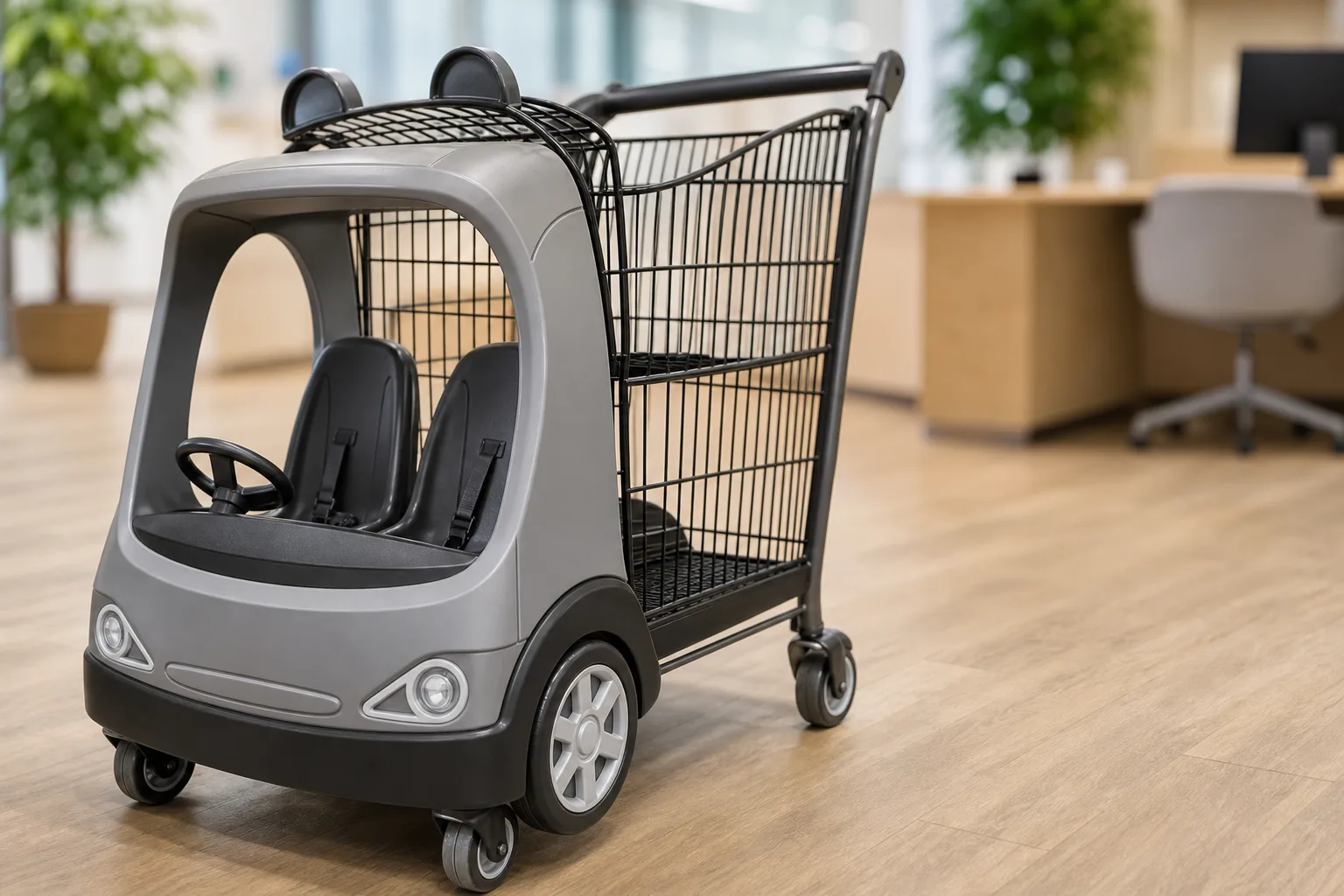
In practical terms, this license authorises the commercial rental of child-directed ride-on carts, electric mini-vehicles, and push carts deployed in leisure or retail environments. Typical locations include shopping malls, theme parks, hotel lobbies, beach promenades, and family entertainment centres.
Revenue is generated on a per-ride or timed rental basis, making footfall volume and the quality of venue access agreements the primary commercial drivers for this activity.
Should I set up a mainland or free zone license for a children's cart rental business in Dubai
The right jurisdiction depends on how and where you plan to operate. A mainland license via the DED is the practical default for operators deploying carts inside malls, resorts, or any publicly accessible venue, as it carries no restrictions on trading directly with the public and simplifies negotiations with venue management.
A free zone structure — such as Meydan Free Zone — suits founders who want 100% foreign ownership, lower initial setup costs, and the ability to incorporate remotely. This works where operational activity is managed through a mainland NOC arrangement or a venue partnership that handles on-ground compliance.
Meydan Free Zone's mCore and mPlus packages are particularly well-suited to lean operations with minimal staffing requirements, making them a cost-efficient entry point for first-time operators testing the market.
What are the steps to obtain a Children Carts Rental license in Dubai
The process follows four core steps. First, reserve your trade name via the DED e-services portal or your chosen free zone's registration platform, confirming it does not conflict with existing registered names.
Second, submit an initial approval application including activity code 7729.95, passport copies, and a brief business plan summary to the relevant licensing authority. Third, secure a registered physical address — a warehouse, office, or flexi-desk — with mainland licenses requiring an Ejari-registered tenancy agreement.
Fourth, obtain any external approvals required by your intended venue. Mall operators have their own fit-out and safety sign-off processes, and if carts operate on semi-public thoroughfares, the Roads and Transport Authority (RTA) may need to be consulted. Dubai Municipality sets baseline equipment safety standards all operators must meet.
When does a children's cart rental business in Dubai need to register for VAT
VAT registration becomes mandatory once your taxable annual turnover exceeds AED 375,000. This threshold is set and governed by the Federal Tax Authority (FTA), which also oversees associated filing obligations.
Operators should monitor turnover carefully from the outset, particularly in high-footfall venues where revenue can scale quickly. Voluntary registration is also available below the threshold and may be commercially advantageous in certain circumstances.
What regulatory bodies oversee children's cart rental operations in Dubai
Several authorities play a role depending on where and how you operate. The Dubai Department of Economy and Tourism (DED) issues and governs the mainland trade license. The Federal Tax Authority (FTA) oversees VAT registration and compliance once the AED 375,000 threshold is reached.
Dubai Municipality sets the baseline equipment safety standards that all operators must meet. If carts are deployed on semi-public thoroughfares or areas within the RTA's remit, the Roads and Transport Authority (RTA) may also need to be consulted before operations begin.
Individual mall and resort operators additionally impose their own fit-out, safety, and operational sign-off requirements as part of venue access agreements.
What commercial opportunity exists for children's cart rentals in Dubai
Dubai's commercial environment is highly favourable for this activity. According to Visit Dubai, the emirate welcomed over 17 million international visitors in 2023, with family tourism consistently among the strongest segments.
The business model benefits from year-round family tourism, sprawling malls, and a growing number of leisure destinations that generate consistent, high-footfall demand. It is characterised as a low-overhead, high-footfall operation with a straightforward licensing path, making it accessible to first-time operators as well as established leisure businesses looking to diversify.
What physical address requirements apply when setting up this license
All Dubai business licenses require a registered physical address. For a mainland DED license, this must be an Ejari-registered tenancy agreement — covering a warehouse, office, or other commercial space formally registered through Dubai's tenancy contract system.
For free zone licenses, the requirement is typically satisfied by a flexi-desk option provided within the free zone's own facilities, which reduces the overhead associated with securing independent premises. This makes free zone incorporation particularly attractive for operators in the early stages of market testing.
Can a foreign national own 100% of a children's cart rental business in Dubai
Yes. 100% foreign ownership is available through a free zone structure, such as Meydan Free Zone, without the need for a local Emirati partner. This is one of the primary reasons free zone incorporation appeals to international founders entering the Dubai market.
On the mainland, UAE commercial law reforms have expanded the list of activities eligible for full foreign ownership, though the specific eligibility for activity code 7729.95 should be confirmed with the DED or a licensed business setup adviser at the time of application, as regulatory positions can evolve.
Children Carts Rental License in Dubai
Dubai's family tourism market is large and still growing. Children's cart rentals fill a real gap in malls, parks, and entertainment venues across the emirate. Footfall is consistent, overhead is low, and the licensing path is clear.
This guide covers what activity code 7729.95 covers, who your clients will be, where to set up, and how to get started.
What This License Covers
Activity code 7729.95 sits under rental and leasing of other machinery and equipment. It lets you rent ride-on carts, pedal cars, and electric mini-vehicles to children at commercial venues.
Typical locations include shopping malls, theme parks, beach promenades, and family entertainment centres. Revenue comes from per-ride fees or timed rentals. Income tracks footfall, so venue choice matters a lot.
Visit Dubai recorded over 17 million international visitors in 2023. Family tourism is one of the strongest segments. That footfall is the commercial base this activity sits on.
| Activity code | 7729.95 |
|---|---|
| License type | Commercial |
| Foreign ownership | 100% available |
| Mainland authority | Dubai Department of Economy and Tourism (DET) |
| Free zone option | Meydan Free Zone |
| VAT threshold | AED 375,000 taxable turnover |
Who Your Clients Will Be
This business has two distinct client types. Knowing both shapes how you price and where you focus.
Families at leisure venues End users are parents with young children at malls, resorts, and public parks. They pay per ride or per session. Volume depends on venue traffic and your placement within it.
Venue operators and event organisers Mall management teams, resort operators, and event companies sub-contract cart rental concessions. They want a reliable operator who handles the kit, the staff, and the safety paperwork. This is the B2B layer that drives real scale.
Seasonal demand School holidays, Eid, and events like Dubai Shopping Festival push demand sharply higher. Plan your fleet size and staffing around these peaks. Building flexibility into your staffing model early will save you money during quieter months.
Corporate and hospitality clients Developers and hospitality groups fitting out family zones sometimes buy the concept wholesale. They want a licensed operator to run the concession inside their asset. These contracts tend to be longer in duration and more predictable in revenue than direct-to-consumer arrangements.
Mainland vs Free Zone Setup

Most operators running physical kiosks inside malls choose a mainland license. A DET mainland license lets you work directly with UAE venues and the public. There are no restrictions on venue type or trading arrangement.
A free zone structure suits fleet owners who manage or license the concept rather than operate the kiosk directly. Meydan Free Zone gives you 100% ownership, remote setup, and lower entry costs. Direct retail at a mall still needs a mainland branch or a venue partner handling on-ground compliance.
Meydan Free Zone's mCore and mPlus packages suit lean operations with few staff. They are a cost-efficient way to test the market before committing to a full mainland setup.
| Factor | Mainland (DET) | Free Zone (Meydan Free Zone) |
|---|---|---|
| Foreign ownership | Up to 100% (select activities) | 100% |
| Direct public trading | Yes, no restrictions | Needs mainland branch or venue partner |
| Remote setup | No | Yes |
| Office need | Ejari-registered tenancy | Flexi-desk within free zone |
| Best suited for | Mall and resort kiosk operators | Fleet owners testing the market |
Once your taxable turnover passes AED 375,000, VAT registration becomes mandatory. The Federal Tax Authority (FTA) sets the rules and filing duties.
Free Business Setup Cost Calculator
Calculate NowHow to Get Your License
The steps below apply to both mainland and free zone paths. Timelines differ: a free zone license typically takes 5 to 10 working days. A mainland license can take longer if venue approvals are involved.
- Step 1, book your trade name: Use the DET portal for mainland or the Meydan Free Zone portal for free zone.
- Step 2, confirm activity code 7729.95: Make sure the code is approved in your chosen jurisdiction before going further.
- Step 3, choose your jurisdiction: Mainland if you plan to operate kiosks directly; free zone if you manage or license the fleet.
- Step 4, submit your paperwork: Passport copies, a No Objection Certificate if needed, and a tenancy contract or Ejari.
- Step 5, get external approvals: Dubai Municipality sign-off on cart safety; venue management approval for floor access.
- Step 6, pay fees and collect your license: Visa allocation follows based on your office category.
- Step 7, open a business bank account: Most banks need 3 to 6 months of trading history or a minimum deposit.
Key documents to prepare in advance:
- Passport copies for all shareholders
- No Objection Certificate (if applicable)
- Tenancy contract or Ejari registration
- Safety compliance certificate for cart equipment
You can also start a business remotely through Meydan Free Zone if you are not yet based in Dubai.
Compliance and Running the Business
Safety rules are not optional. Get these in place before you approach any venue.
Equipment standards Carts must meet Dubai Municipality safety rules. Keep inspection records on file. Venues will ask for them before granting floor access.
Staff duties You need trained attendants at every deployment point. For mainland entities, MOHRE sets the rules on employment contracts and Emiratisation duties. These apply from your first hire.
Insurance Public liability cover is standard in this industry. Most venue operators make it a condition of the concession agreement. Arrange cover before you approach any venue.
Annual renewal Your license renews each year. Venue concession agreements typically run one to three years. Align renewal dates where you can to avoid gaps in trading authority.
Sports and recreation venues If your target venues include sports or fitness destinations, the Dubai Sports Council may have regulatory oversight. Confirm this early.
Conclusion
A children's carts rental business is a workable, low-complexity operation in Dubai. Match the right jurisdiction to your venue type. Meet the equipment safety rules from day one. Those two things determine whether the business runs cleanly or not.
Get the jurisdiction right at the start. Retrofitting a free zone structure into a venue that needs a mainland entity costs time and money. Avoid that by deciding correctly upfront. If you are unsure which path fits your plans, speaking to a business setup adviser before you apply will save you from costly corrections later.
Ready to Launch Your Business in Dubai?
Let's Connect