
Table of Contents
Frequently Asked Questions
What does activity code 4773.57 permit a business to trade
Activity code 4773.57 — Petrol Station Equipment Trading — authorises wholesale and retail trading of the full range of fuel retail infrastructure. This includes fuel dispensers, underground storage tanks, canopy structures, point-of-sale systems, pipework, and safety fittings.
The activity sits within the broader fuel infrastructure supply chain and allows a licensed business to supply operators such as ENOC, ADNOC Distribution, and private fuel retail licensees across the UAE and wider GCC region.
Who are the main customers for petrol station equipment in Dubai
Primary customers include fuel station operators, EPC contractors, government energy entities, and facility management firms responsible for maintaining fuel infrastructure across the UAE.
Secondary demand comes from industrial sites, airports, and marine fuelling installations, both within the UAE and across GCC export markets such as Saudi Arabia, Kuwait, and Oman. Suppliers who engage early in the specification process — working alongside consultants and EPC firms during the design phase — tend to build the most durable commercial relationships.
Why is a Meydan Free Zone licence well suited to this type of trading business
A Meydan Free Zone licence offers 100% foreign ownership, zero corporate tax on qualifying income, and full profit repatriation — structural advantages that are particularly valuable for a trading business with regional ambitions.
A free zone trading licence also enables import, re-export, and regional distribution without the complexity of establishing a mainland entity. For businesses targeting multiple GCC markets alongside the UAE, this makes Meydan Free Zone a practical and cost-efficient base of operations.
What regulatory bodies oversee petrol station equipment entering the UAE supply chain
Equipment categories such as fuel dispensers and underground storage tanks require coordination with UAE Civil Defence, which sets fire safety and installation standards for fuel handling systems. Traders must verify product compliance before importing, as non-compliant goods can be held at customs or rejected at the project site.
Dubai Customs, operating under the Ports, Customs and Free Zone Corporation, processes all commercial goods imports including fuel system components. The Federal Tax Authority governs VAT registration and compliance obligations once taxable turnover exceeds AED 375,000.
When does VAT registration become mandatory for a petrol station equipment trading business
VAT registration is mandatory once taxable turnover exceeds AED 375,000. This threshold is governed by the Federal Tax Authority, which also oversees ongoing filing and compliance obligations.
For a trading business handling high-value equipment contracts, this threshold can be reached relatively quickly. It is advisable to monitor turnover carefully from the outset and register proactively to avoid penalties for late registration.
What drives demand for petrol station equipment in the UAE and GCC
Demand is driven by new station construction, scheduled retrofits, and mandatory equipment lifecycle upgrades — procurement cycles with defined lead times and contract values that reward compliant, technically capable suppliers.
The UAE's government-led infrastructure expansion under national energy frameworks, combined with Vision 2031 logistics growth, sustains long-cycle procurement contracts rather than transactional spot sales. According to Mordor Intelligence, the regional downstream equipment sector reflects this pattern of infrastructure-led, multi-year demand.
What competitive advantages does compliance and certification provide in this market
Because the UAE fuel retail network is government-regulated, equipment entering the supply chain must meet technical and safety standards set by authorities including UAE Civil Defence. This creates a meaningful barrier to entry that favours established, compliant suppliers.
Once the right relationships and certifications are in place, compliance becomes a commercial differentiator — operators and EPC contractors prefer suppliers who can demonstrate product conformity, availability, and technical support, reducing project risk on their side.
Can a free zone licence be used to export petrol station equipment to other GCC countries
Yes. A free zone trading licence explicitly enables import, re-export, and regional distribution, making it well suited to businesses that want to serve Saudi Arabia, Kuwait, Oman, and other GCC markets from a single UAE base.
This structure avoids the need to establish separate mainland entities in each target market at the outset, reducing overhead and administrative complexity while the business builds its regional customer base and supply chain relationships.
How to Start a Petrol Station Equipment Trading Business in Dubai
Dubai's fuel retail sector is expanding, and every new petrol station needs dispensers, tanks, pumps, canopies, and safety systems before it opens its doors. Demand is steady, the buyers are identifiable, and the procurement processes are formal. That makes this a tradeable niche with real structure behind it.
This guide covers the license, setup steps, and commercial realities of trading petrol station equipment in Dubai, whether you set up on the mainland or in a free zone.
| Business activity | Petrol Station Equipment Trading |
|---|---|
| Jurisdiction options | Mainland (DET) or free zone (e.g. Meydan Free Zone) |
| Foreign ownership | 100% permitted – Invest in Dubai |
| VAT registration | Mandatory once turnover crosses the threshold – Federal Tax Authority |
| Key buyers | ENOC, ADNOC Distribution, EMARAT, private station operators, construction contractors |
What This License Covers and Who Buys From You
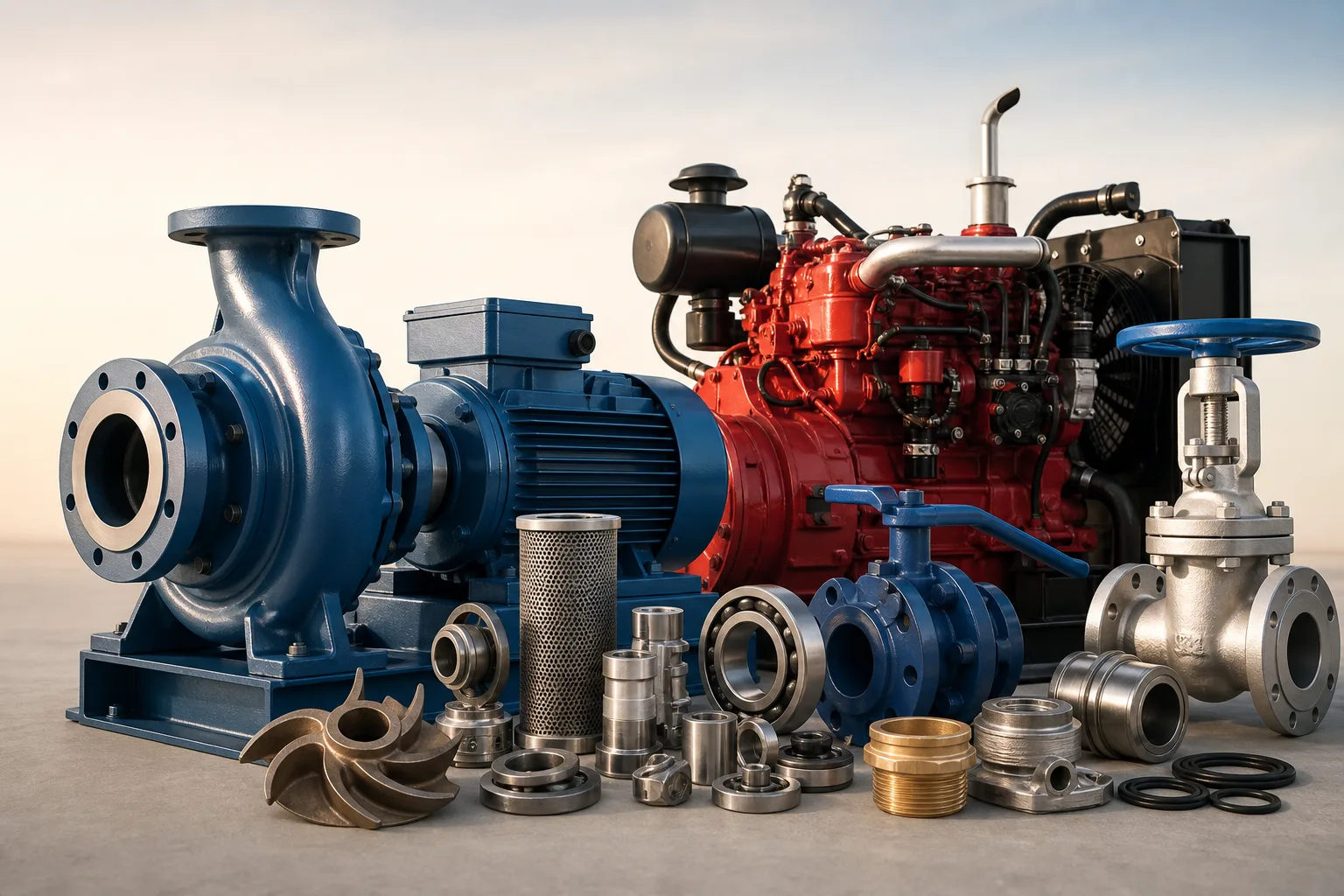
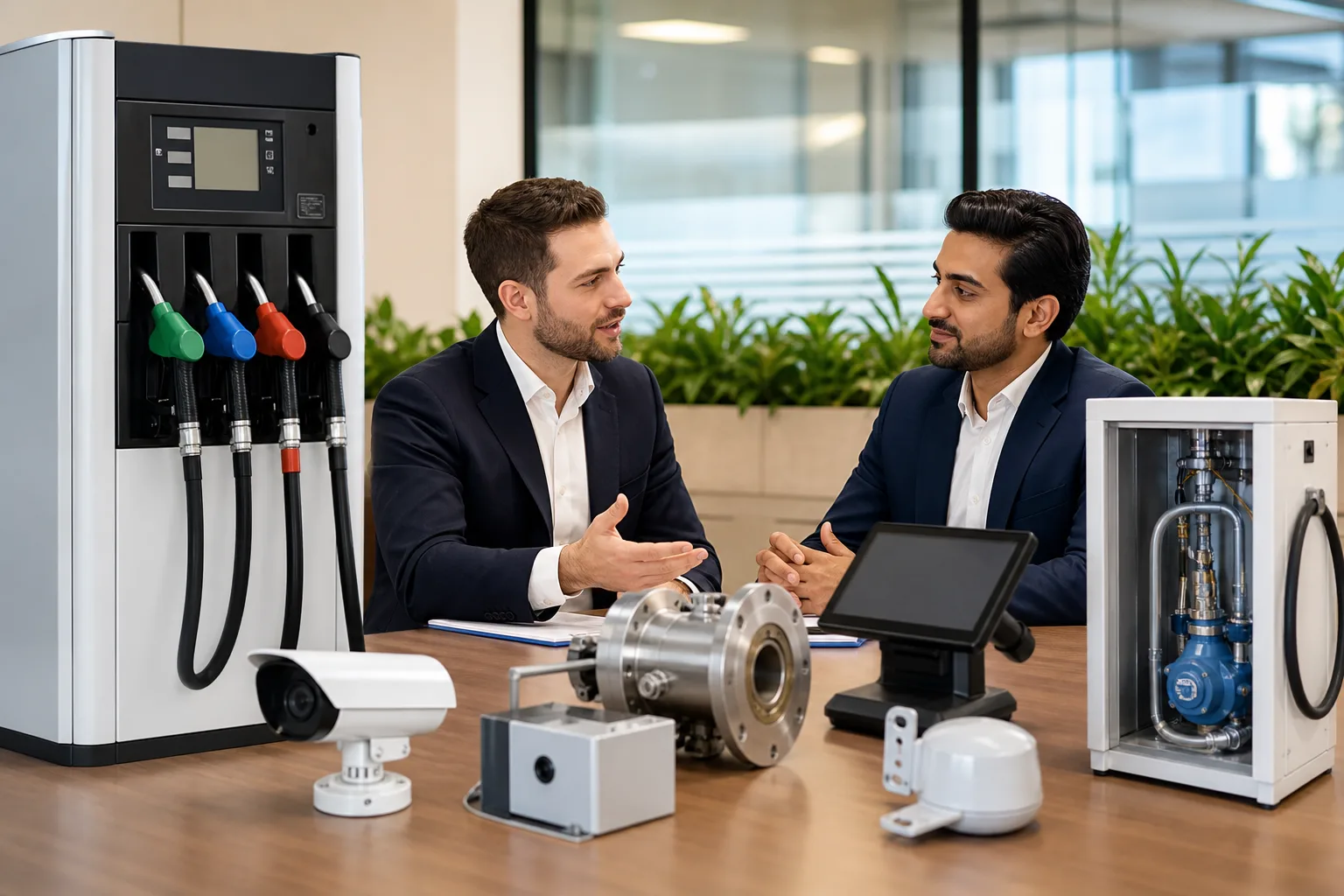
A petrol station equipment trading license lets you buy and sell the physical kit that fuel retail sites need to operate. That includes fuel dispensers, underground storage tanks, canopy structures, point-of-sale systems, leak detection equipment, fire suppression systems, and general station safety hardware.
Your main buyers are the big fuel retailers: ENOC, ADNOC Distribution, and EMARAT. These are government-linked entities with formal procurement teams. They do not buy on a phone call. They run vendor registration processes, they want to see your trade credentials, and they sign supply agreements once they trust you. Getting onto their approved vendor lists takes time, but it is worth doing early.
Beyond the major retailers, there is a second tier of buyers worth knowing:
- Construction and fit-out contractors building new petrol stations on behalf of operators
- Facility management companies that hold maintenance contracts for existing station networks
- Private petrol station operators running independent sites across the UAE
- GCC-based buyers sourcing equipment through a Dubai trading hub
The regulated nature of the sector works in your favour once you are set up properly. Buyers need suppliers who have the right paperwork, the right product certifications, and a real business address. That filters out casual competition and gives credible traders a clear advantage.
You can browse the full Meydan Free Zone business activities list to confirm the exact activity code that fits your trading model before you apply.
Mainland vs Free Zone: The Setup Decision

This is the biggest choice you will make when setting up. Let your clients decide it, not the price.
A mainland license from the Dubai Department of Economy and Tourism (DET) lets you work directly with UAE government-linked fuel retailers and local contractors. You can bid on tenders, sign supply contracts with ENOC or ADNOC Distribution, and operate anywhere in the UAE without restriction. The trade-off is that you need a physical office address and the setup process involves more steps.
A free zone setup through Meydan Free Zone suits traders who are mainly importing equipment and re-exporting it across the GCC, or who are serving international clients from a Dubai base. You get 100% foreign ownership, a faster setup process, and duty advantages on goods moving through the free zone. The limitation is that selling directly into the UAE mainland market needs either a local agent or a separate mainland entity.
| Factor | Mainland (DET) | Free Zone (Meydan Free Zone) |
|---|---|---|
| Direct UAE market access | Yes, full access | Via local agent or distributor |
| Government-linked buyer contracts | Yes | Limited without local agent |
| GCC re-export trade | Workable | Strong duty and logistics advantages |
| Office requirement | Physical office needed | Flexi-desk options available |
| Setup speed | Longer process | Faster, more streamlined |
| Foreign ownership | 100% permitted | 100% permitted |
Which Structure Fits Your Client Base
If your buyers are UAE government-linked entities such as ENOC or ADNOC Distribution, mainland is the practical choice. You need to be on their vendor lists, and those lists are easier to access with a mainland license and a physical presence.
If you are importing equipment from Europe or Asia and selling across the GCC, a Meydan Free Zone company gives you real advantages. Goods can move through the free zone with lower duty exposure, and you can manage regional distribution from a single Dubai base. Many traders in this space run both: a free zone entity for import and regional trade, and a mainland entity or agent arrangement for direct UAE retail contracts.
You can also start a business remotely through Meydan Free Zone if you are not yet based in the UAE, which makes the initial setup straightforward while you build your client pipeline.
Free Business Setup Cost Calculator
Calculate NowStep-by-Step Setup Guide
- Step 1, book your trade name: Use the DET e-Services portal for a mainland company, or the Meydan Free Zone portal for a free zone one. The name must not conflict with existing registered businesses. You can check your company name availability before you apply.
- Step 2, confirm your activity code: Make sure the petrol station equipment trading code is approved in your chosen jurisdiction before you go further. A mismatch here causes delays later.
- Step 3, prepare your setup documents: You will need passport copies for all shareholders and directors, a no-objection certificate if you are currently visa-sponsored in the UAE, and proof of address. For a free zone setup, Meydan Free Zone will guide you through the exact document list.
- Step 4, get initial approval: The relevant authority reviews your application and issues initial approval. This is not the final license, but it lets you move to the next step.
- Step 5, secure your office address: Mainland companies need a physical office. Free zone companies can use a flexi-desk. Either way, you need a confirmed address before the license is issued.
- Step 6, apply for the trade license: Submit your full application with all supporting documents. Where your products fall under regulated categories, you may also need to register with the relevant commodity or safety authority at this stage.
- Step 7, open a corporate bank account: UAE banks treat trading businesses in regulated sectors carefully. Prepare a business plan, a list of intended suppliers, and any early letters of intent from buyers. Business banking support through mCore can help you navigate the bank selection and application process.
- Step 8, register for VAT: Once your turnover crosses or is expected to cross the mandatory threshold, you must register with the Federal Tax Authority. Do not wait until you are already trading at scale to sort this out.
A Dubai Trade License from AED 12,500 is available through Meydan Free Zone, making this one of the more cost-effective entry points for equipment traders who are starting lean.
Compliance and What You Need in Place Before You Start
Petrol station equipment sits in a regulated product category. Getting the compliance side right before you start trading saves you from problems at customs, at client procurement, and at delivery.
Product certifications Equipment imported for fuel retail must meet UAE fire and safety standards. The UAE Civil Defence authority sets the rules for fire suppression systems, fuel handling equipment, and related safety hardware. Check the specific requirements for each product category you plan to trade before you commit to a supplier.
Supplier documentation Overseas suppliers need to provide conformity certificates and technical data sheets for each product. Your buyers, especially the major retailers, will ask for these before they accept delivery. Build a proper document file for every product line from the start. Missing paperwork at the point of sale costs you the deal.
VAT and record-keeping VAT applies to equipment sales in the UAE at the standard rate. Keep clean records from day one. The Federal Tax Authority expects proper invoicing, clear import records, and accurate filing. If you need help setting this up, VAT registration support services through mAccounting can get your compliance structure in place before you start trading.
Staff and product training Enterprise clients, particularly the major fuel retailers, may ask for evidence that your staff understand the products they are selling. If you are trading technical equipment such as fuel dispensers or leak detection systems, having product-specific training documentation for your team strengthens your vendor application.
Import and customs records Maintain clear import records through Dubai Customs or your free zone portal. Equipment held at customs because of missing documentation or incorrect classification creates delays and damages your relationship with buyers who are working to a construction or upgrade schedule. Get your HS codes right and keep every import file organised.
Market Opportunity and Commercial Reality
The UAE continues to invest in fuel retail infrastructure. New station builds and upgrades to existing sites create recurring demand for dispensers, tanks, canopies, and safety systems. This is not a one-time sale market. Stations need replacement parts, upgraded equipment, and compliance-driven refits on a regular cycle.
The GCC angle is real and worth planning for. Saudi Arabia, Kuwait, and Oman all have active fuel retail expansion programmes. A Dubai-based trader with the right supplier relationships and a free zone structure can serve those markets from a single hub, using Dubai's port and logistics infrastructure to move goods efficiently.
Competition is real. Established distributors hold long-term supply agreements with ENOC, ADNOC Distribution, and EMARAT. New entrants who try to compete on the same product lines at lower prices will find it hard to break in. The better approach is to find a specific product niche, a brand not yet distributed in the UAE, a product category the big distributors do not focus on, or a faster delivery model for spare parts.
After-sales service and spare parts supply is where smaller traders can build genuine loyalty. Large distributors often focus on new equipment sales and leave the parts and service side underdeveloped. Clients who need a replacement component quickly will remember the supplier who had it in stock. That kind of reliability builds long-term commercial relationships that are hard for bigger competitors to displace.
According to Mordor Intelligence, the GCC fuel retail market is on a steady growth trajectory, driven by infrastructure investment and rising vehicle numbers across the region. Dubai sits at the centre of that market, which is exactly why the trading opportunity is worth taking seriously.
Conclusion
Trading petrol station equipment in Dubai is a workable business if you pick the right jurisdiction for your client base, get the compliance paperwork right from the start, and position around a specific product category or service gap rather than competing head-on with established distributors. The buyers are known, the procurement processes are formal, and the demand is recurring. That is a solid commercial foundation.
Speak to Meydan Free Zone to confirm the right activity code and license structure for your equipment trading business. The setup process is faster than most people expect, and getting the jurisdiction decision right at the start saves a lot of restructuring later.
Ready to Launch Your Business in Dubai?
Let's Connect