
Table of Contents
Topic Summary
Understand Exactly What Activity Code Covers
Code 4730.02 authorizes specialty retail of engine oils, transmission fluids, brake fluids, coolants, antifreeze, and greases for motor vehicles. It does not cover wholesale fuel, LPG for cooking, or stores where food and drink dominate over lubricants.
Tap Into a Fast-Growing UAE Market
UAE automotive lubricants consumption reached 94.19 million litres in 2025 and is projected to hit 113.06 million litres by 2030 at a 3.72% CAGR. Engine oil alone accounts for roughly 55% of the product mix, making it the anchor of any retail range.
Know Your Customer Split Before You Stock
Passenger vehicles drive around 74% of lubricant consumption, while commercial vehicles account for roughly 25%. Stocking to that ratio from day one prevents dead inventory and keeps cash flow healthier in the early months.
Build Strong Supplier Relationships Early
This business runs on your brand portfolio, so securing agreements with international names like Shell, Castrol, Motul, and Liqui Moly alongside UAE producers such as ADNOC and Emirates Lube gives you credibility with workshops and fleet buyers. Specification knowledge matters just as much as price, especially for warranty-compliant sales.
Choose One of Three Clear Business Positions
Operators typically position as a premium synthetic retailer for luxury vehicles, an OEM-specification supplier for dealer service centres, or a commercial and heavy-duty provider for logistics fleets. Many successful businesses combine two or more of these under a single license to smooth out seasonal demand swings.
Prioritize the B2B Channel for Volume
Walk-in retail builds brand visibility, but recurring business-to-business contracts with auto service centres, tyre shops, and fleet workshops is where consistent volume lives. Locking in even a handful of fleet accounts early can underpin the entire operation.
Enjoy a Straightforward Compliance Picture
Activity 4730.02 requires no third-party approval and is exempt from AML compliance obligations, making the licensing process relatively clean compared with many other specialty retail categories. Setting up through Meydan Free Zone adds the benefit of a structured, business-friendly environment in Dubai.
How to Start a Retail Sale of Lubricating and Cooling Products for Motor Vehicles (Specialty Retail) Business in Dubai with Meydan Free Zone
Every car in the UAE needs oil changed, coolant topped up, and brake fluid replaced, and the heat makes that happen more often than in most places. Somebody has to stock all of it. That is what activity code 4730.02 covers.
This guide covers what the activity allows, who it suits, where the market is heading, and what the compliance picture looks like.
Key Stats at a Glance

Sources: Mordor Intelligence; MarkNtel Advisors
What the Activity Covers
Under code 4730.02 you run specialty retail of lubricating and cooling products for motor vehicles across UAE channels.
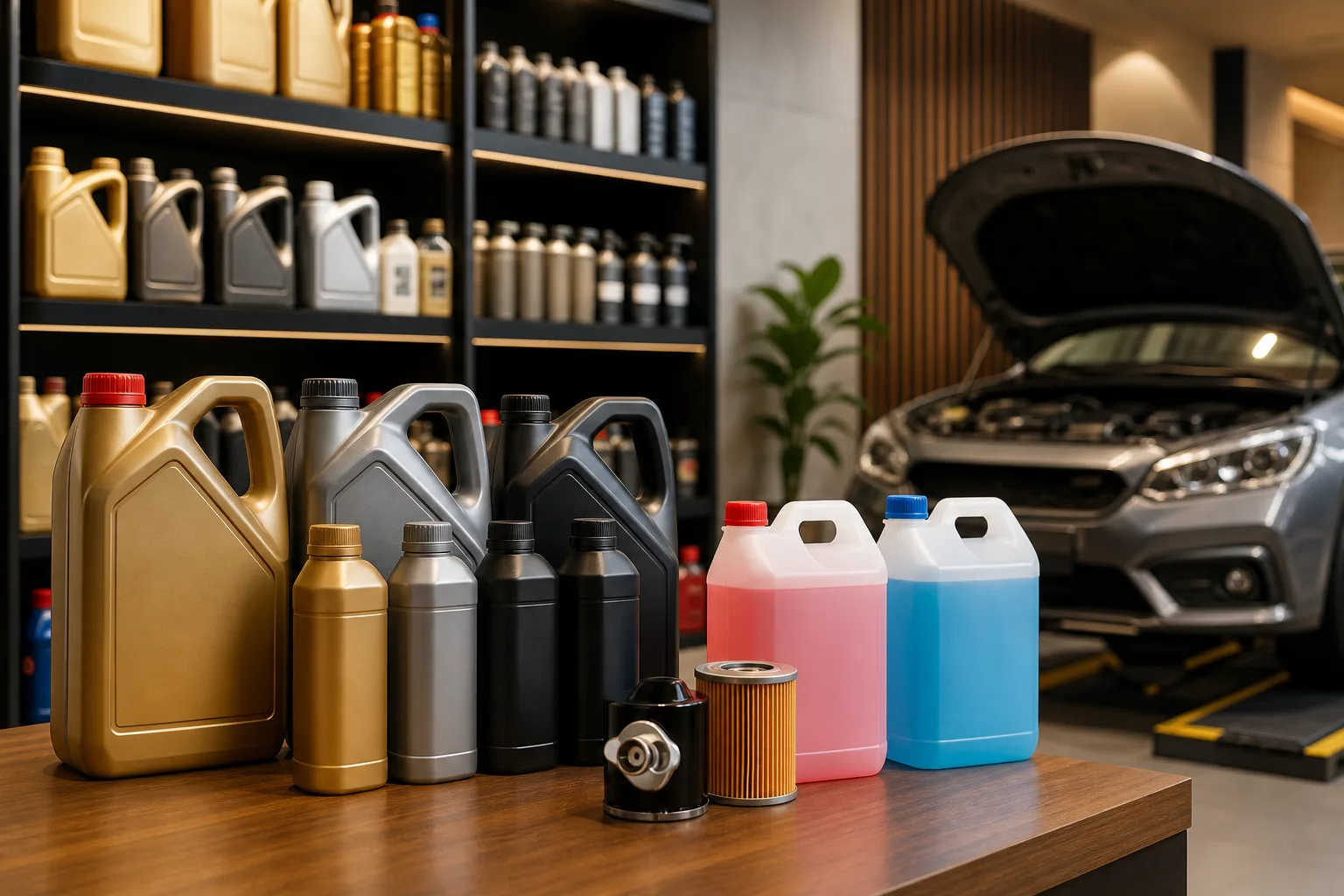
That means engine oils in 1-litre and 4-litre packs for passenger car servicing, bulk lubricants for fleet maintenance, specialty synthetic oils for luxury cars, heavy-duty diesel engine oils for trucks, plus brake fluids, transmission fluids, coolants, antifreeze, and greases.
This layer sits next to fuel station retail and serves dedicated auto service centres, tyre shops, fleet workshops, and walk-in customers.
What it does not cover
- Wholesale of fuels, which sits under wholesale of solid, liquid and gaseous fuels
- Retail sale of fuel combined with food and drink where the food side dominates, which sits under retail in non-specialised stores
- Retail sale of liquefied petroleum gas for cooking or heating, which sits under hardware, paints and glass retail
Put simply: if you run a specialty retail focused on lubricating and cooling products for motor vehicles, you are in.
Who This Is For
[blockCTACostCalculator]
How the Business Actually Works
Brand relationships
This trade runs on your supplier portfolio. Operators typically hold relationships with international manufacturers such as Shell, Castrol, Mobil, TotalEnergies, Motul, and Liqui Moly, alongside UAE-origin producers including ADNOC, Emirates Lube, EPPCO, and SHARLU.
Specification management
Knowing which oil meets which OEM approval is the job. Get it wrong on a warranty-compliant sale and you lose the workshop account.
Two sales channels
Retail operations on one side, business to business relationships with service centres and fleet operators on the other. The second one is where volume lives.
Three ways to position
A premium synthetic specialty runs curated international brands for luxury and performance owners. An OEM-specification retail supplies dealer service centres, authorised workshops, and customers who buy strictly to spec. A commercial and heavy-duty operation serves logistics fleets and heavy equipment operators, often on a business to business basis across several emirates. Plenty of operators run more than one of these under a single license, combining passenger and commercial vehicle lines to smooth out demand.
Licensing and Compliance
Third-party approval
None is required for this activity.
Anti-money laundering
This activity is exempt from AML compliance requirements.
That combination makes 4730.02 one of the simpler trading activities to license. Your effort goes into supplier agreements and stock, not into chasing regulators.
Market Opportunity
The numbers support a focused specialty play. Mordor Intelligence puts UAE automotive lubricants at 113.06 million litres by 2030, growing at 3.72% a year, with engine oil holding roughly 55% of the product mix. Passenger vehicles account for around 74% of automotive lubricant consumption and commercial vehicles about 25%.
Segmentation is what lets a smaller operator compete. Premium synthetic lubricants for luxury cars, OEM-specified formulations for warranty work, heavy-duty diesel oils for commercial fleets, and specialty fluids for dedicated service applications are all distinct buyer groups with distinct expectations.
The UAE is also the fastest-growing lubricants market in the Middle East, at 3.21% CAGR through 2031 on Mordor Intelligence numbers, pulled along by logistics, aviation, marine bunkering, and re-export activity.
One thing to plan around: the market is consolidated. MarkNtel Advisors puts the top five brands, ADNOC, Emirates Lube Oil, EPPCO, Shell, and TotalEnergies, at roughly 70% share. You are competing on specialisation and service, not on out-buying the majors.
Conclusion
Whether you are building a premium synthetic specialty, an OEM-specification retail serving warranty-compliant workshops, or a multi-segment operation covering both passenger and commercial vehicles, this activity covers the automotive lubricants and cooling products retail layer.
Meydan Free Zone gives you 100% foreign ownership, zero corporate tax on qualifying income, and a fully digital licensing process. Vehicle numbers keep rising, the climate keeps service intervals short, and OEM specification requirements keep the aftermarket busy, which is a sound backdrop for a specialty retailer.
[blockCTAContact]