
Table of Contents
Frequently Asked Questions
What does activity code 7721.00 cover in Dubai
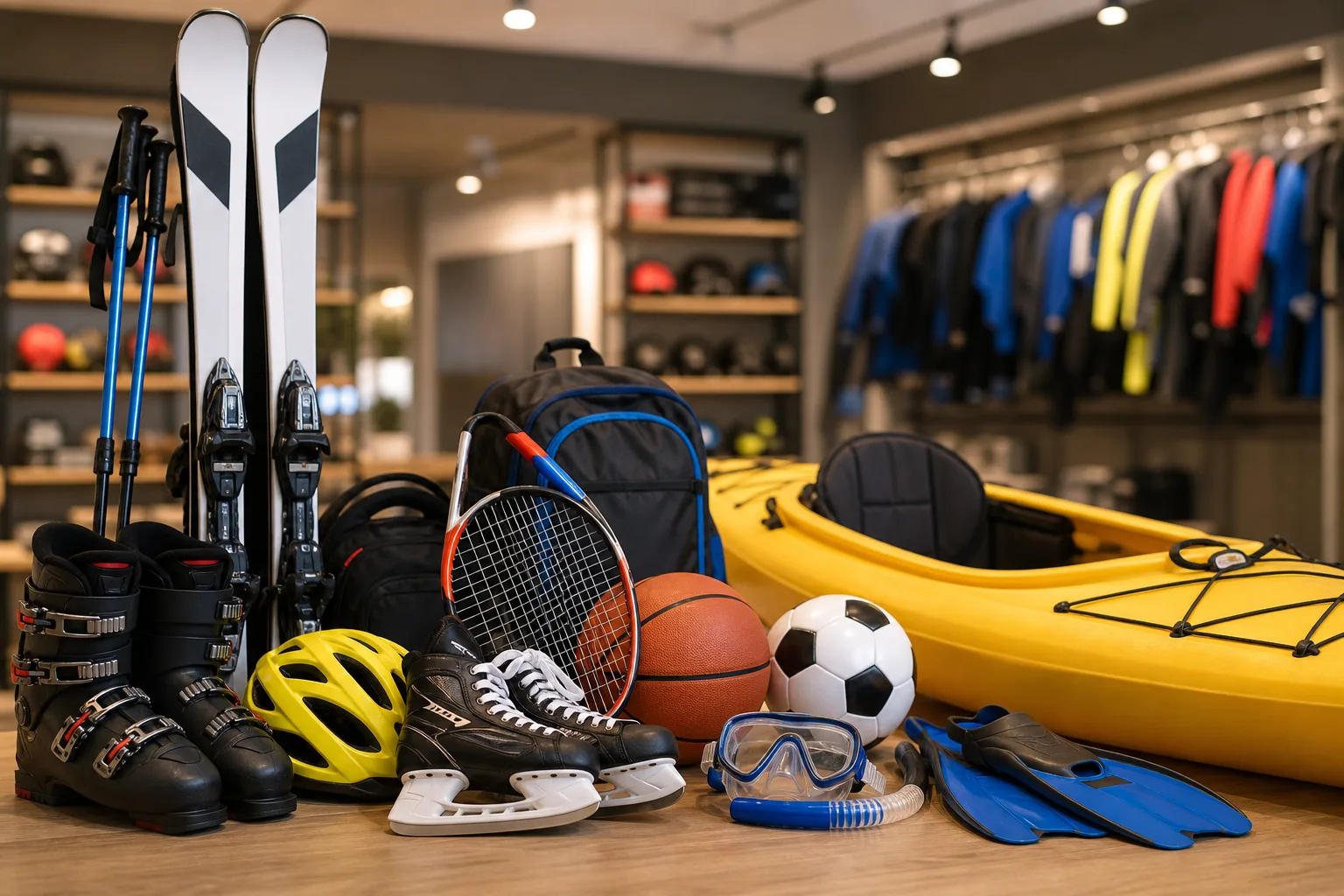
Activity code 7721.00 — Renting and Leasing of Recreational and Sports Goods permits both short-term and long-term rental of a wide range of equipment. Covered items include bicycles, water sports gear, camping equipment, skis, diving kits, and paddleboards, among other similar recreational goods.
The licence supports multiple business models, from walk-in rental shops and beachfront kiosks to online booking platforms with delivery logistics and B2B supply agreements with hotels, sports facilities, and corporate wellness programmes.
It is important to note that this code does not cover manufacturing or the retail sale of sports goods. If you intend to sell equipment alongside renting it, a separate retail activity must be added to your licence.
Who are the typical customers for a sports goods rental business in Dubai
The customer base for a recreational and sports goods rental operation in Dubai is broad and varied. Key segments include tourists arriving for leisure activities, Dubai residents seeking weekend or occasional gear, and hotels and resorts supplying equipment to their guests.
Additional viable client groups include event organisers requiring temporary equipment, and corporate clients running wellness or team-building programmes. With Dubai welcoming over 17 million international visitors in 2023, tourist demand alone provides a strong and consistent revenue base.
Should I set up on the mainland or in a free zone for this licence
The right jurisdiction depends on your planned operational model. A mainland licence issued by the Dubai Department of Economy and Tourism (DED) is best suited to operators who want a physical retail-facing presence — such as a beachfront shop, mall-adjacent unit, or location near a sports facility — and who wish to contract freely with government entities and UAE-based corporates.
Free zone licences suit asset-light, digitally managed, or B2B-focused operators. They typically offer lower setup costs, streamlined incorporation, and full foreign ownership, making them attractive for founders testing the market or managing operations remotely before committing to a physical footprint.
It is worth noting that 100% foreign ownership is now available on the mainland under UAE Commercial Companies Law amendments, so there is no longer a requirement for a local sponsor for this activity.
What are the premises requirements for a mainland sports rental licence
Mainland operators are required to have physical premises — either a warehouse or a shopfront — as a condition of their licence. This is a firm requirement set by the Dubai Department of Economy and Tourism (DED) and cannot be substituted with a virtual or flexi-desk arrangement.
Free zone operators, by contrast, may be able to use flexi-desk arrangements depending on their specific operational model and the requirements of the free zone they choose. This makes free zones more flexible for lean or remote-managed operations.
What are the VAT obligations for a sports equipment rental business in Dubai
UAE VAT at 5% applies to rental income generated by a sports and recreational goods rental business. This is governed by the Federal Tax Authority (FTA).
VAT registration becomes mandatory once your annual turnover reaches the threshold of AED 375,000. Businesses approaching or exceeding this figure must register with the FTA, charge VAT on applicable transactions, and file regular VAT returns.
It is advisable to maintain clear records of all rental income from the outset, even before reaching the registration threshold, to ensure a smooth compliance process as the business grows.
What is the market opportunity for recreational equipment rental in Dubai
The market opportunity is substantial and growing. The UAE sports equipment rental market is expanding at approximately 6% CAGR through 2028, according to Mordor Intelligence. This growth is driven by rising tourism arrivals, major sporting events, and an increasingly fitness-conscious resident population.
Dubai welcomed 17.15 million international visitors in 2023, sustaining strong leisure rental demand across water sports, cycling, adventure gear, and camping equipment. The Dubai Sports Council, which oversees policy for more than 60 sports federations and a wide range of recreational infrastructure, further supports the sector's long-term development.
What are the first steps to setting up a recreational goods rental licence in Dubai
The setup process begins with defining your business structure. You will need to choose between a sole establishment, a limited liability company (LLC), or a free zone entity, and confirm shareholders, ownership split, and whether you require a corporate or individual applicant arrangement.
Once your structure is decided, the subsequent steps involve preparing the required documentation, selecting your jurisdiction (mainland DED or a free zone such as Meydan Free Zone), securing premises if operating on the mainland, and submitting your licence application through the relevant authority.
Having documents in order before starting the process significantly reduces delays. Working with a business setup adviser familiar with activity code 7721.00 can help ensure the correct activity classifications are applied from the outset.
What makes Meydan Free Zone a suitable option for a rental sports goods business
Meydan Free Zone is noted for its competitive licence fees, fast incorporation process, and the absence of a paid-up capital requirement. These features make it a practical and cost-effective entry point for founders launching a lean rental operation or testing the Dubai market before committing to a larger mainland retail presence.
For operators running asset-light or digitally managed models — such as online booking platforms with delivery logistics or B2B supply agreements — Meydan's free zone structure aligns well with the operational flexibility those models require. Full foreign ownership is available, and the setup process is designed to be streamlined.
Renting and Leasing of Recreational and Sports Goods License in Dubai
Dubai's beaches, deserts, and fitness-minded residents all want gear they do not want to own, whether that is a paddleboard for one weekend or ski equipment for a single trip abroad. Activity code 7721.00 lets you be the business that supplies it.
This guide covers what the license lets you do, where to set up, and what the process and ongoing compliance look like.
Key Stats at a Glance
| Activity code | 7721.00 |
|---|---|
| Market outlook | UAE sports equipment rental market growing at about 6% a year through 2028 |
| Visitor demand | Dubai welcomed 17.15 million international visitors in 2023 |
| Sector oversight | Dubai Sports Council oversees policy for more than 60 sports federations and recreational sites |
| VAT | 5% on rental income, registration needed once turnover passes AED 375,000 a year |
What This License Covers

Activity code 7721.00 permits short and long-term rental of recreational and sports goods. The scope is wide: bicycles, water sports equipment, camping gear, skis, diving kits, paddleboards, and similar items all sit inside this code.
One boundary worth remembering: this code does not cover manufacturing or the retail sale of sports goods. If you plan to sell equipment alongside renting it out, add a separate retail activity to your license.
Who Your Clients Will Be
Your customer base is wide. Tourists here for leisure, Dubai residents wanting weekend gear, hotels and resorts supplying guests, event organisers needing temporary equipment, and corporate wellness programmes are all viable segments.
Business models here range from walk-in rental shops and beachfront kiosks to online booking platforms with delivery, and business-to-business supply deals with sports facilities and hospitality operators.
A hotel supplying beach gear to guests wants a bulk arrangement and consistent stock levels. A tourist booking a paddleboard for an afternoon wants an easy app and a quick handover. Both are the same underlying rental business, but they need different operations behind them, so decide early which customer you are building around.
Mainland or Free Zone
| Factor | Mainland (DET) | Free Zone (Meydan Free Zone) |
|---|---|---|
| Best fit | Retail-facing, walk-in locations | Asset-light, digital, or B2B models |
| Government contracts | No restriction | Not the primary route |
| Premises | Physical warehouse or shopfront needed | Flexi-desk may work, depending on model |
| Paid-up capital | Varies by structure | None needed at Meydan Free Zone |
A mainland license lets you run direct retail-facing operations, open walk-in locations, and contract with government entities and UAE corporates without restriction, which makes it the natural fit for a beachfront, mall-adjacent, or sports-facility rental shop. Foreign founders no longer need a local sponsor for this activity either, thanks to changes under the UAE Commercial Companies Law.
Free zone options suit operators running asset-light, digitally managed, or B2B-focused models, and Meydan Free Zone in particular offers competitive fees, fast setup, and no paid-up capital need, which makes it a practical way to test the Dubai market before you commit to a mainland retail presence. Let your operating model decide it, not the price.
[blockCTACostCalculator]
Step-by-Step Setup Guide
- Step 1, define your business structure: Choose a sole establishment, LLC, or free zone entity, and confirm your shareholders and ownership split.
- Step 2, book your trade name: Submit through DET e-Services or your chosen free zone authority. Your name must not clash with a registered trademark or an existing business.
- Step 3, send in your initial approval application: Include activity code 7721.00, passport copies of every shareholder, and a proposed business plan.
- Step 4, secure your premises: An Ejari-registered tenancy for mainland, or an office or warehouse agreement for a free zone. No tenancy, no license.
- Step 5, pay your fees and get your license: Mainland processing typically takes three to seven working days once your documents are complete and approved.
- Step 6, open a corporate bank account: You need a valid trade license, tenancy contract, and shareholder documents at minimum. Allow two to four weeks for the account to activate.
- Step 7, register for VAT: Mandatory once your projected turnover passes AED 375,000 a year. You can register voluntarily below that line too.
Compliance and What You Need in Place
Dubai Sports Council coordination
If you plan to operate inside a designated sports facility or public recreational zone, coordinate with Dubai Sports Council before you sign any location agreement.
Equipment safety and insurance
Rental goods must meet UAE conformity needs. Liability waivers and solid insurance, covering both public liability and your assets, are commercially essential. One incident without proper documentation can put real money at risk.
MOHRE and staffing
Mainland staff need MOHRE compliance, with Emiratisation quotas applying above certain headcounts and labour contracts registered through the Tasheel system.
Marine and water sports permits
If you rent water sports equipment near the coastline or marine zones, get extra permits from the Roads and Transport Authority or the relevant marine authority before you start operating. Do not assume your trade license alone covers marine activity.
Ongoing renewals
Renew your license every year without fail, file VAT returns on the schedule your FTA registration sets, and keep your tenancy contract aligned closely with your Ejari renewal cycle.
Market Opportunity
The UAE sports equipment rental market is growing at roughly 6% a year through 2028, and Dubai's 17.15 million international visitors in 2023 keep that leisure rental demand well supplied with customers. Dubai Sports Council's oversight of more than 60 sports federations and recreational sites shows how much institutional weight sits behind this sector, not just tourist footfall.
That combination of steady visitor numbers, an active resident fitness culture, and organised sports infrastructure gives this activity a broader base than a purely seasonal tourist business would have. A rental business built only around beach season leaves money on the table, since resident demand for cycling, camping, and fitness gear runs through most of the year.
Corporate wellness programmes are a client group easy to overlook here. Companies running team sports days or fitness challenges need equipment for a single event, not a purchase, which makes them a natural fit for a B2B account rather than a one-time rental.
Conclusion
The Renting and Leasing of Recreational and Sports Goods license under code 7721.00 is a commercially solid, well-defined activity in Dubai. The regulatory path is clear, and the main decisions come down to jurisdiction, premises, and operating model. Mainland suits direct consumer access and a physical presence. Meydan Free Zone suits a cost-efficient, B2B-first, or digitally led business. Either route leads to a fully compliant business that is ready to start trading and taking bookings.
[blockCTAContact]