
Table of Contents
Topic Summary
Understand What Activity Code 4669.89 Covers
This license lets you trade non-edible oils such as linseed, castor, tung, and jatropha oil to UAE manufacturers and industrial processors. It does not cover waste treatment, recycling, or retail of second-hand goods.
Know the Three Core Client Groups
Your buyers fall into coatings and varnish manufacturers, specialty chemical and cosmetic formulators, and biodiesel or industrial chemical producers. Each segment has distinct purity and volume requirements you should understand before sourcing.
Tap Into Fast-Growing Market Demand
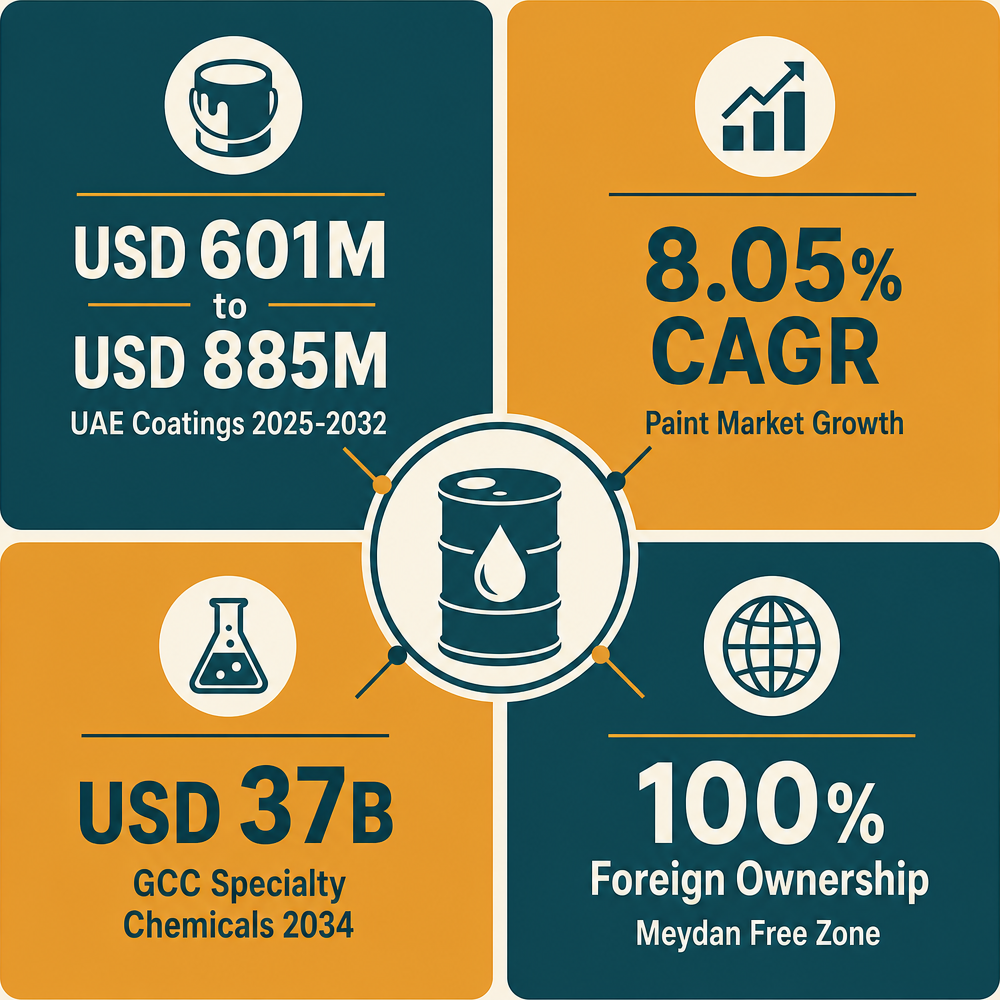
The UAE paints and coatings market is projected to reach USD 885 million by 2032 at an 8.05% CAGR, directly driving demand for drying oils like linseed and tung. The broader GCC specialty chemicals market is forecast to hit USD 37 billion by 2034.
Choose Between Mainland and Free Zone Setup
Mainland registration through DET suits traders working directly with local manufacturers under standard commercial rules. Meydan Free Zone offers 100% foreign ownership, zero corporate tax on qualifying income, and a fully digital licensing process with no third-party pre-approval required.
Follow the Four-Step Licensing Process
Reserve your trade name, prepare passport copies and a business plan, obtain initial approval through Meydan Free Zone's digital platform, then secure appropriate warehouse storage for your oil inventory. The absence of third-party approvals keeps the timeline short.
Plan Warehouse Storage From the Start
Non-edible oils require specific storage conditions to maintain quality and meet regulatory standards. Factoring in suitable warehousing early prevents delays once your license is issued.
How to Start a Non Edible Oil Trading Business in Dubai with Meydan Free Zone
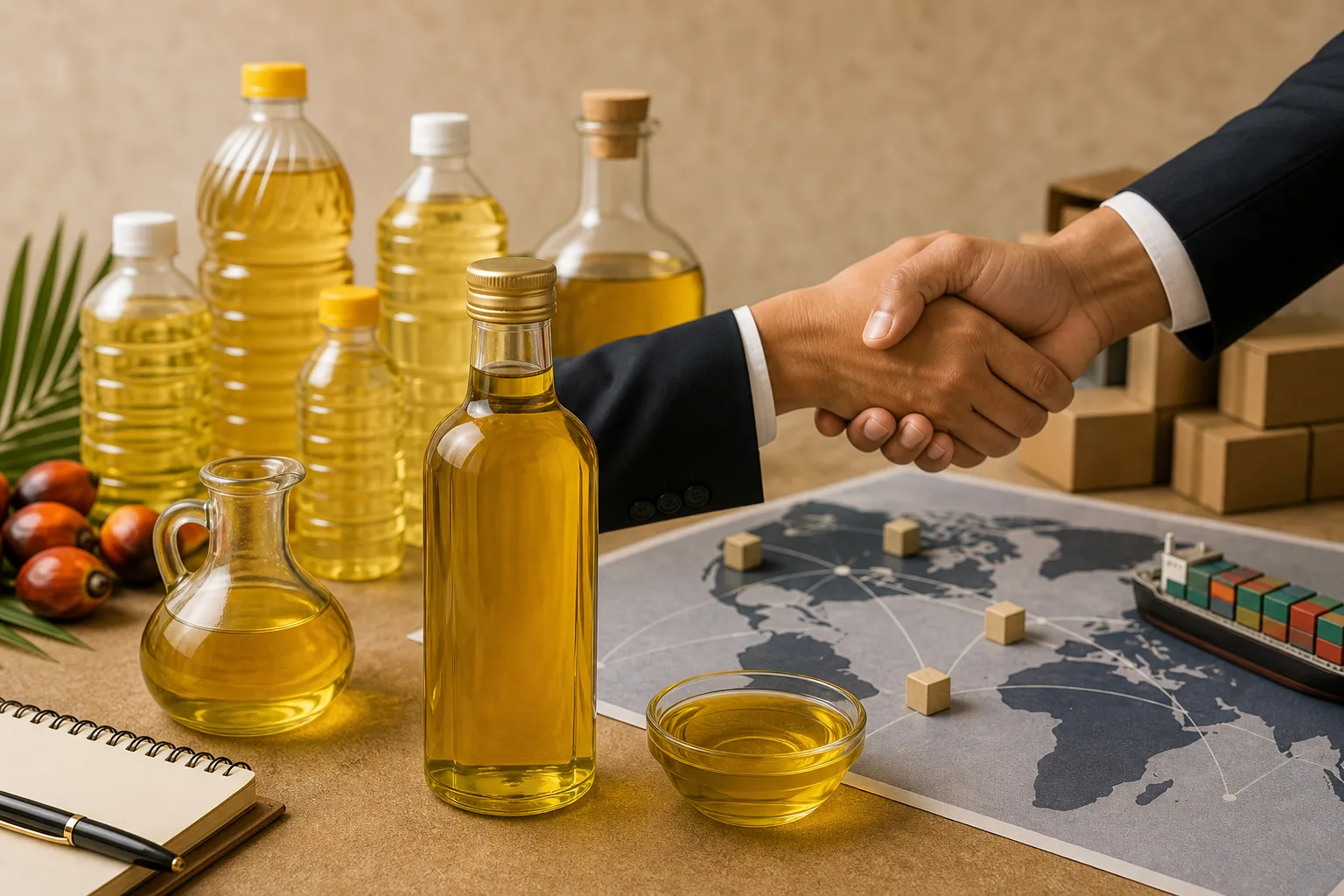
Not every oil that moves through a UAE warehouse is meant for a kitchen. Linseed oil goes into paints and varnishes, castor oil feeds specialty chemical and cosmetic formulations, tung oil finishes wood, and jatropha oil serves as a biodiesel feedstock.
A non-edible oil trader supplies these industrial and specialty oils to the manufacturers and processors that turn them into finished products.
This guide covers what activity code 4669.89 lets you do, who your clients will be, and how you set the business up in Dubai.
Key Stats at a Glance
What This License Covers
Activity code 4669.89 licenses you to trade non-edible oils, including linseed oil, castor oil, tung oil, jatropha oil, and industrial and specialty non-edible oils, to UAE manufacturers, specialty chemical formulators, and industrial processors.
The scope excludes collection of household and industrial waste, treatment of waste aimed at disposal rather than onward industrial use, processing of waste and scrap into secondary raw material through a real transformation process, dismantling of automobiles, computers, televisions, and other equipment for materials recovery, mechanical car shredding, ship-breaking, and retail sale of second-hand goods.
If you trade non-edible oils to UAE manufacturers or industrial processors, this is the code you need.
Who Your Clients Will Be
Your customer base splits into three groups. Drying oils and coatings industry suppliers trade linseed oil and tung oil to coatings manufacturers, varnish producers, and alkyd resin formulators who rely on these oils' natural hardening properties to build durable finishes.
Castor oil and specialty chemical traders supply castor oil to specialty chemical formulators, cosmetic manufacturers, and pharmaceutical compounders, industries where consistent purity grades matter as much as price.
Industrial and biodiesel feedstock wholesalers trade jatropha oil and other industrial oils to biodiesel producers and industrial chemical manufacturers looking for a non-food feedstock that does not compete with edible oil supply chains.
The UAE paints and coatings market is forecast to grow from USD 601 million in 2025 to USD 885 million by 2032 at an 8.05% CAGR, per MarkNtel Advisors, a trend that pulls demand for drying oils like linseed and tung oil along with it as coatings production expands.
Mainland or Free Zone
Mainland registration through DET suits a trader working directly with UAE manufacturers and processors under standard commercial rules. Meydan Free Zone offers 100% foreign ownership, zero corporate tax on qualifying income, and a fully digital licensing process, and no third-party pre-approval is needed for this activity, which keeps your setup timeline simple.
[blockCTACostCalculator]
Step-by-Step Setup Guide
- Step 1, book your trade name: Check availability through DET or your chosen free zone authority, confirming activity code 4669.89 is listed for your application.
- Step 2, prepare your setup documents: Passport copies of shareholders and directors, your intended product segment, drying oils, castor oil, or biodiesel feedstock oils, and a business plan summary.
- Step 3, get your initial approval and license: Meydan Free Zone's fully digital process moves quickly once your documents are complete.
- Step 4, secure your warehouse: Non-edible oils need proper storage conditions, so factor suitable premises into your setup from the outset.
- Step 5, build your supplier and buyer relationships: Line up producer or importer agreements alongside the coatings manufacturers, chemical formulators, or biodiesel producers you plan to serve.
- Step 6, register with MOHRE if you employ staff: This sets your visa quota and puts your team under Wage Protection System compliance from the outset.
Compliance and What You Need in Place
Third-party approval
No third-party approval is needed for this activity, which keeps your setup timeline focused on supplier relationships and storage readiness rather than extra regulatory sign-off.
Anti-money laundering compliance
This activity is exempt from anti-money laundering compliance duties, keeping your ongoing regulatory load lighter than higher-risk trading categories.
Storage and handling standards
Non-edible oils need appropriate storage conditions to avoid contamination or degradation, particularly where the same warehouse handles multiple oil types, so build clear separation and handling protocols into your operation rather than treating this as an afterthought.
Keeping non-edible oils clearly separated from any food-grade products elsewhere in your supply chain also protects you against a costly labelling or contamination mistake.
Ongoing renewals
Renew your license every year, keep your supplier and distribution agreements current, and keep your MOHRE registrations up to date if you employ staff.
Market Opportunity
The UAE paints and coatings market is forecast to grow from USD 601 million in 2025 to USD 885 million by 2032 at an 8.05% CAGR, per MarkNtel Advisors, a trend that keeps pulling demand for the drying oils used in varnishes and alkyd resins.
The GCC specialty chemicals market, projected to reach USD 37.0 billion by 2034 at a 4.11% CAGR, per IMARC Group, is anchored by manufacturing expansion and consumer goods production, both of which need a steady supply of specialty oils like castor oil.
A non-edible oil trader who serves more than one demand category, coatings, specialty chemicals, and biodiesel feedstock, is well placed to benefit from growth across manufacturing, chemicals, and energy all at once, rather than depending on a single industry to keep volumes steady through the year.
Consumer goods production across the GCC is expanding alongside manufacturing capacity more broadly, a trend that tends to lift demand for the specialty and cosmetic-grade oils this activity trades in as well as the industrial categories.
Conclusion
A Non-Edible Oil Trading license under activity code 4669.89 is a workable business anchored in the UAE's growing coatings and specialty chemicals sectors. Meydan Free Zone's foreign ownership, tax position, and digital setup process give a trader a practical route to serve manufacturers, formulators, and processors across the UAE. A trader who keeps a clean, well-documented supply chain across every oil type stands to build the kind of trusted, repeat relationships that keep this activity workable for years rather than a single trading cycle.
[blockCTAContact]