
Table of Contents
Frequently Asked Questions
What is activity code 7730.73 and what does it permit in Dubai
Activity code 7730.73 is the official classification for Extracting & Drilling Equipment & Machinery Rental in Dubai. It permits businesses to rent out specialised heavy equipment — including drilling rigs, excavators, boring machinery, and extraction units — on a short- or long-term basis.
The licence covers a strictly B2B rental model. It does not authorise the sale or manufacture of equipment. Revenue is generated through hire contracts with clients such as oil and gas contractors, construction firms, civil engineering companies, and infrastructure developers.
Who are the typical customers for an extracting and drilling equipment rental business in Dubai
The primary customers are businesses operating in capital-intensive, project-based industries. These include oil and gas contractors, construction firms, civil engineering companies, mining operators, and infrastructure developers.
These clients tend to be repeat customers who manage equipment needs on a project-by-project basis. For them, renting specialist machinery is often more financially practical than ownership, particularly when equipment would otherwise sit idle between contracts.
What is the size of the UAE construction and equipment rental market
The UAE construction sector carries a project pipeline valued at over USD 130 billion, according to IMARC Group. This creates sustained, structural demand for equipment rental rather than demand that fluctuates with economic cycles.
Market growth is further supported by Expo legacy projects, UAE Vision 2031 infrastructure spending, and ongoing energy sector activity. Dubai specifically accounts for a significant share of regional construction activity, with mega-project pipelines tracked by the Dubai Statistics Center.
What are the differences between a mainland and a free zone licence for this activity
A mainland licence, issued by the Dubai Department of Economy and Tourism (DET), allows unrestricted trading across all UAE emirates, direct government contract eligibility, and no limitations on client geography. It typically requires a physical office registered under Ejari and involves more regulatory touchpoints during setup.
A free zone licence — such as one issued through Meydan Free Zone — offers 100% foreign ownership with no local sponsor requirement. However, free zone entities generally need a local distributor or agent to enter into direct mainland contracts unless they operate through a registered branch.
The right choice depends on your client base. Operators serving clients across multiple emirates or government entities may prefer mainland, while those with regional, international, or free zone-based clients often find the free zone route more commercially efficient.
Does this business activity require physical premises and what type of space is needed
Yes. Warehouse or yard space is a practical necessity for this activity. Operators need facilities for equipment storage, maintenance, and staging before deployment to client sites.
The premises requirement should be factored into the jurisdiction decision before applying for a licence. Both mainland and free zone setups will require appropriate space, and the scale of that space will grow in line with fleet size. Proximity to logistics corridors and port infrastructure is also a relevant consideration for importing and moving heavy machinery.
What are the VAT obligations for an equipment rental business in Dubai
VAT at 5% applies to rental transactions in the UAE. Businesses must register with the Federal Tax Authority (FTA) once their annual turnover exceeds AED 375,000.
Once registered, the business must charge VAT on rental invoices, file regular VAT returns, and maintain compliant records. Given the high-value nature of heavy equipment hire contracts, many operators in this sector will reach the registration threshold relatively quickly after commencing operations.
Why is Meydan Free Zone a suitable jurisdiction for this licence
Meydan Free Zone offers 100% foreign ownership with no requirement for a local sponsor, making it a straightforward entry point for international operators. The licence structure covers trading and rental activities and is designed to scale as a business grows its equipment fleet.
Its location within Dubai's commercial core provides access to key logistics corridors and port infrastructure. DP World's port network supports the import and movement of heavy machinery into and across the UAE — a directly relevant advantage for operators building out an equipment rental operation.
Are there customs duties on importing heavy machinery into the UAE
Yes. Customs duties apply on heavy machinery imports arriving via UAE ports. Operators planning to build or expand an equipment fleet through imports need to account for these costs as part of their capital expenditure planning.
Working with established logistics providers and leveraging port networks such as DP World can help streamline the clearance and movement of large equipment. The specific duty rate will depend on the machinery classification under UAE customs tariff codes, so consulting a customs broker or trade adviser before importing is recommended.
Extracting & Drilling Equipment & Machinery Rental License in Dubai
A drilling rig costs a fortune and spends much of its life idle between contracts. That is why contractors rent rather than buy, and why renting heavy plant to them is a business.
Activity code 7730.73 licenses it. The model is strictly B2B rental, not sale and not manufacture, and it is asset-heavy in a way that makes premises and import planning as important as the license itself. This guide covers the scope, the jurisdiction decision, and the practical constraints.
Key Stats at a Glance
| Activity code | 7730.73 |
|---|---|
| Activity name | Extracting & Drilling Equipment & Machinery Rental |
| Model | B2B rental only, not sale or manufacture |
| Equipment covered | Drilling rigs, excavators, boring machinery, extraction units and related plant |
| Premises | Warehouse or yard space for storage, maintenance and staging |
| Ownership | 100% foreign ownership through Meydan Free Zone, with no local sponsor |
| Imports | Customs duties apply on heavy machinery arriving through UAE ports |
| UAE construction pipeline | Over USD 130 billion – IMARC Group |
| VAT | 5% on rental transactions, registration above AED 375,000 – Federal Tax Authority |

What This License Covers
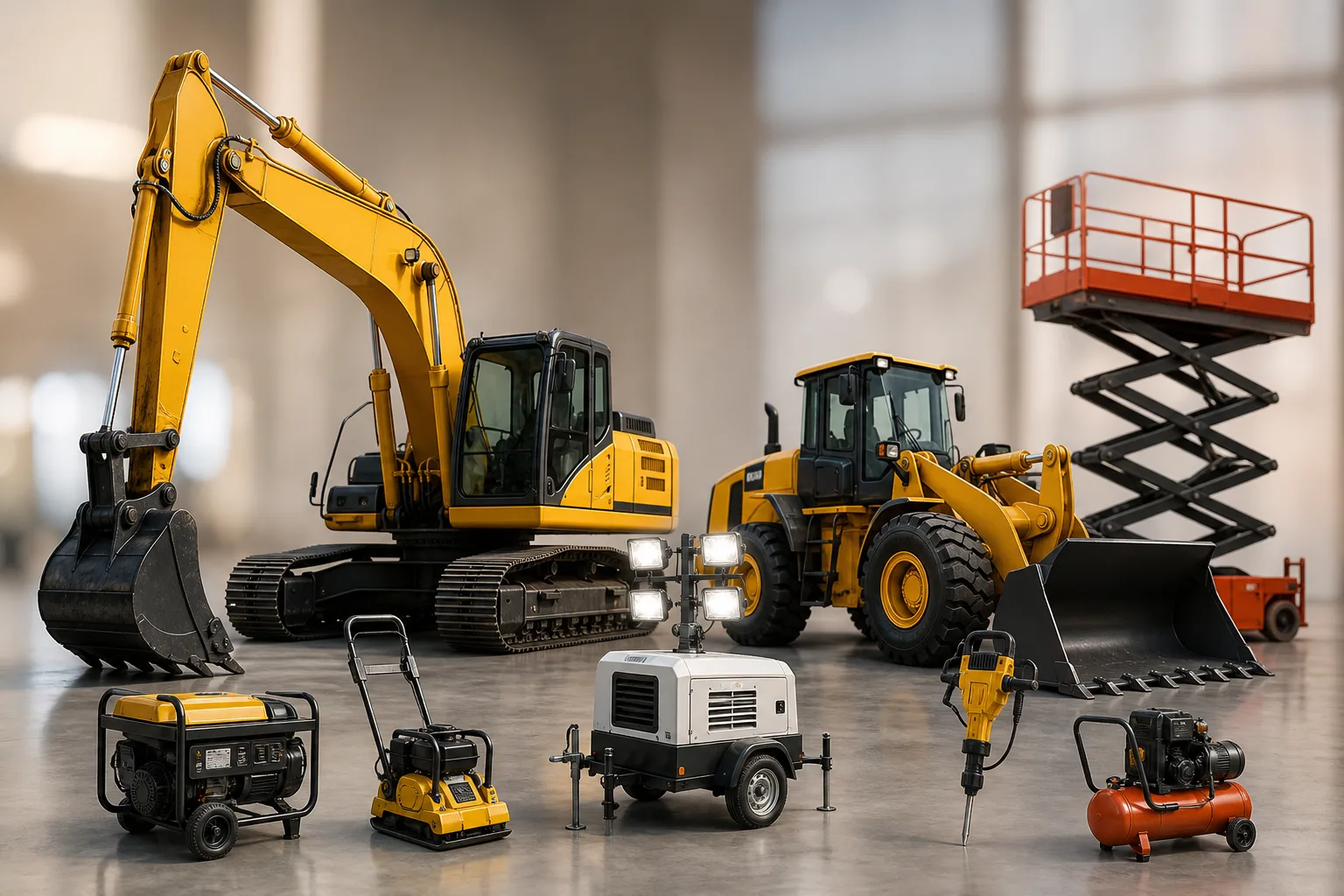
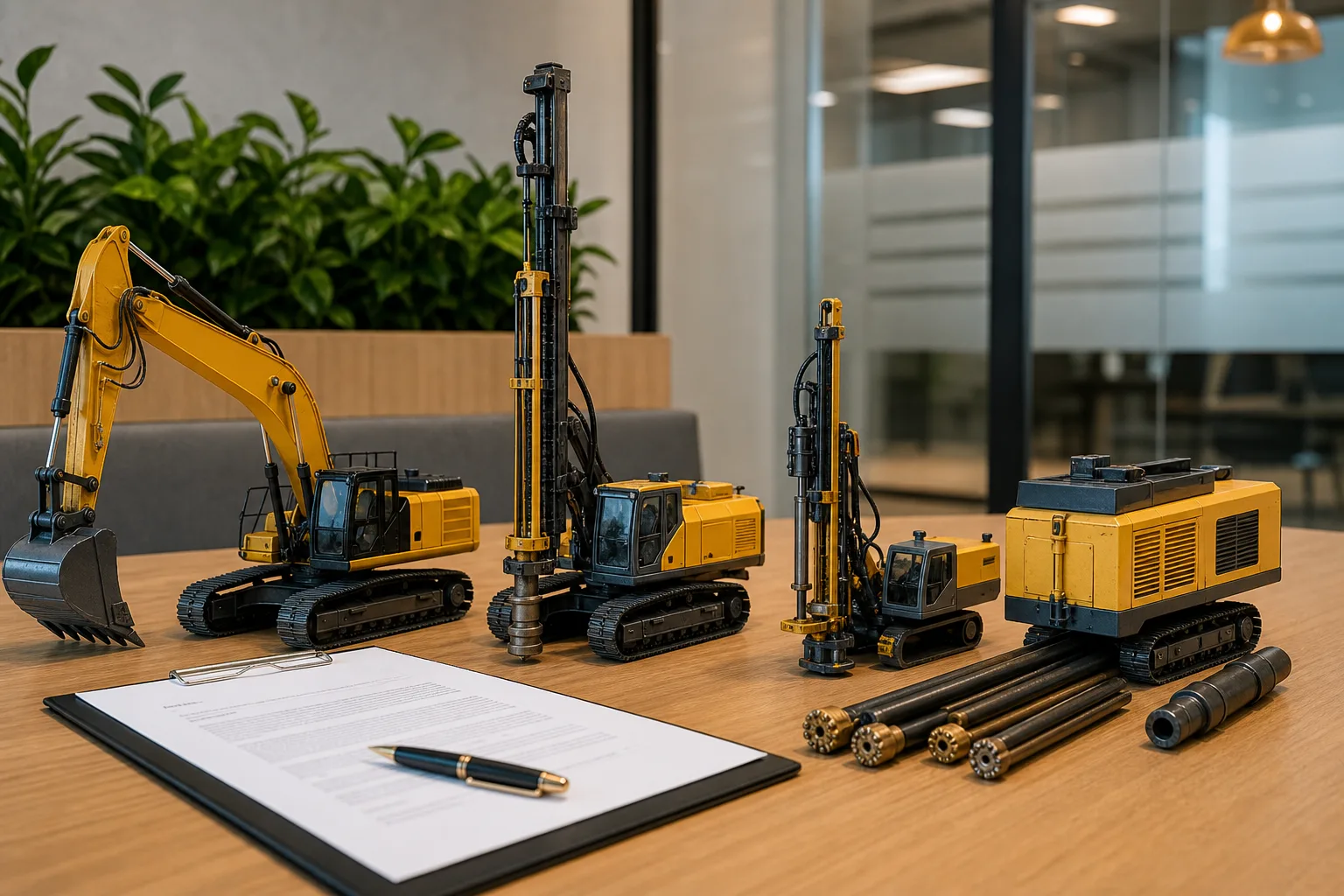
Code 7730.73 allows you to rent out specialised heavy equipment: drilling rigs, excavators, boring machinery, extraction units and related plant, on short or long-term hire.
The model is strictly rental. It does not authorise selling or manufacturing equipment, so if you intend to trade machinery as well as hire it out, that is a separate activity to register.
Revenue comes from hire contracts, which is a different business shape from trading. You carry the asset, the maintenance and the downtime, and you earn across the whole life of the machine rather than once.
Who Your Clients Will Be
- Oil and gas contractors
- Construction firms
- Civil engineering companies
- Mining operators
- Infrastructure developers
These are not occasional buyers. They manage equipment needs project by project, and they come back. For them renting is usually the more sensible financial decision, because specialist machinery would otherwise sit idle between contracts on their own balance sheet rather than yours.
Mainland or Free Zone
| Factor | Mainland (DET) | Free Zone (Meydan Free Zone) |
|---|---|---|
| Trading reach | Unrestricted across all emirates | Needs a local distributor or agent for direct mainland contracts, unless through a registered branch |
| Government contracts | Direct eligibility | Not direct |
| Ownership | Standard mainland rules | 100% yours, no local sponsor |
| Premises | Physical office registered under Ejari | Flexi-desk or warehouse unit, depending on scale |
| Setup | More regulatory touchpoints | Simpler, and scales as the fleet grows |
Mainland
A license from the Department of Economy and Tourism gives unrestricted trading across the UAE, direct eligibility for government contracts and no limits on where your clients are. That suits an operator with broad B2B reach across several emirates and sectors, at the cost of more regulatory steps and an Ejari-registered office.
Free zone
A free zone license gives full foreign ownership with no local sponsor, which is a simple entry point for an international operator. Free zone companies need a local distributor or agent for direct mainland contracts unless they run through a registered branch, so the route works best for regionally or internationally managed fleets and for clients that are themselves free zone based or export-oriented.
The premises question comes first
Whichever you choose, you need warehouse or yard space for storage, maintenance and staging before deployment. That is not an afterthought to the license decision, it is part of it, and the space grows with the fleet. Proximity to logistics corridors and port infrastructure matters too, since you will be importing and moving heavy machinery.
[blockCTACostCalculator]
Step by Step Setup Guide
- Step 1, book your trade name: Check availability and comply with UAE naming conventions, avoiding references to government entities or prohibited terms.
- Step 2, select your activity: Register under 7730.73, and confirm whether your specific equipment types need further approvals. Certain energy-sector machinery can trigger extra clearances.
- Step 3, choose your legal structure: An LLC for mainland, an FZ-LLC for free zone, or a branch office if you are extending an entity registered elsewhere.
- Step 4, submit your papers: Passport copies, current visa status, a No Objection Certificate if you are employed in the UAE, and a business plan where the authority asks for one.
- Step 5, secure your premises: An Ejari-registered tenancy on the mainland, or a flexi-desk or warehouse unit in a free zone, sized to your storage needs.
- Step 6, collect your license and open banking: A commercial bank account is needed before you start operating, through institutions regulated by the Central Bank of the UAE.
- Step 7, register for VAT and your workforce: With the Federal Tax Authority once you cross the threshold. All staff need valid residency visas, with employment contracts governed by MOHRE.
Compliance and What You Need in Place
Customs duties on imports
Equipment brought into the UAE attracts customs duties, and the Ports, Customs and Free Zone Corporation governs port and customs procedures for heavy machinery. Build both the duty cost and the clearance timeline into your model before committing to fleet acquisition, because on machinery of this value the duty is a material number rather than a rounding error.
Your rental contracts
Agreements should define liability, maintenance duties, insurance and the condition equipment must be returned in. This is standard commercial practice here and it is what protects you when a rig comes back damaged or a project overruns.
Moving equipment on public roads
If you transport machinery on Dubai's roads, particularly oversized loads, RTA rules govern permits for heavy vehicle movement. Falling short brings penalties and can hold up a client's project, which damages more than the fine does.
VAT
Rental transactions carry 5% VAT, with registration compulsory above AED 375,000 of annual turnover. Given the value of heavy equipment hire contracts, most operators cross that threshold quickly.
Market Opportunity
The demand here is structural rather than cyclical. The UAE construction sector carries a project pipeline valued at over USD 130 billion according to IMARC Group, and that work needs plant whether or not the contractors delivering it want to own any.
Three things sustain it: Expo legacy projects, UAE Vision 2031 infrastructure spending, and continuing energy sector activity. Dubai accounts for a large share of regional construction, with mega-project pipelines tracked by the Dubai Statistics Center, so the client base sits on your doorstep.
The economics reward patience rather than speed. Every machine is capital that earns only while it is on hire, so the share of the fleet actually on hire is the number that decides whether this business works. Building a fleet against confirmed demand rather than anticipated demand is the difference between an asset base and an expensive yard. Once that share holds steady, though, the model compounds well, because the same machine can be re-hired for years and the clients renting it come back project after project.
Conclusion
An extracting and drilling equipment rental license is a sound structure for supplying heavy plant to the UAE's construction and energy sectors, provided the jurisdiction, premises and compliance are right from the outset.
The market fundamentals are strong, the regulatory path is defined, and the B2B demand is consistent.
What will decide your first two years is less the license than the operational planning around it: where the yard sits, what the imports cost to land, and how much of the fleet is earning at any given moment.
[blockCTAContact]