Table of Contents
Frequently Asked Questions
What does activity code 4923.86 cover in Dubai
Activity code 4923.86 covers the road-based transportation of motor vehicles — including cars, trucks, and commercial vehicles — typically using car carriers or flatbed transport equipment. It is classified as specialist haulage rather than general freight.
Operators under this licence must use appropriate vehicles, employ trained operators, and follow handling protocols suited to high-value automotive cargo. It does not extend to general goods haulage or non-vehicle freight movements.
Who are the typical customers for a motor vehicle transportation business in Dubai
Core customers include automotive dealerships, auction houses, fleet leasing companies, vehicle manufacturers, and port operators. A significant portion of demand comes from moving stock between Jebel Ali Port and inland distribution, showroom, or staging facilities.
Regional re-export trade also generates consistent work, as vehicles imported into Dubai are routinely redistributed across the GCC and into markets in Africa and CIS countries. Each transaction requires documented, insured road transport between port and destination facility.
Why is Dubai a strong market for vehicle transportation businesses
Dubai occupies a central role as a regional automotive hub, with Jebel Ali Port handling millions of vehicle units annually and serving as one of the world's largest automotive re-export points. This creates structural, recurring demand for inland vehicle haulage rather than cyclical or seasonal demand.
Additional drivers include the Roads and Transport Authority's fleet renewal and electrification programmes, growing EV adoption across the UAE, and an expanding re-export trade network covering the GCC, Africa, and CIS countries. Each of these trends generates fresh movement requirements for specialist operators.
What role does Jebel Ali Port play in this sector
Jebel Ali Port, operated by DP World, is one of the largest automotive vehicle-handling ports in the world. It acts as the primary entry and exit point for vehicle imports and re-exports flowing through the UAE, making it the natural anchor for inland vehicle transportation demand.
Operators running car carriers or flatbed transporters frequently service routes between Jebel Ali and showrooms, depots, auction yards, and staging facilities across Dubai and the wider UAE. Proximity to the port and key arterial roads is therefore a meaningful operational advantage.
What are the main regulatory requirements for running a vehicle transportation business in Dubai
The Roads and Transport Authority (RTA) governs road transport permits and vehicle classification for commercial haulage in Dubai. Any operator running car carriers or flatbed transporters must ensure their fleet is correctly classified, permitted, and compliant with RTA load and dimension standards — whether the vehicles are owned or subcontracted.
VAT registration is mandatory once annual revenue exceeds the threshold set by the Federal Tax Authority. Transport services are taxable at the standard 5% VAT rate, and invoicing must reflect this from the point of registration. Employment compliance, including properly structured driver contracts, falls under the Ministry of Human Resources and Emiratisation (MOHRE).
How does VAT apply to motor vehicle transportation services in the UAE
Transport services provided by motor vehicle transportation businesses are subject to VAT at the standard rate of 5% in the UAE. Registration with the Federal Tax Authority becomes mandatory once annual revenue exceeds the prescribed threshold.
From the point of VAT registration, all customer invoices must correctly reflect the applicable VAT charge. Businesses should implement compliant invoicing and accounting systems early to avoid penalties as revenue grows.
What revenue models work for a motor vehicle transportation business
The most common revenue structures are per-vehicle or per-trip contracts, which suit spot-market clients such as auction houses and resale operators. These offer flexibility but can produce variable monthly income depending on market activity.
More stable income typically comes from retainer agreements with dealers managing regular stock movements, or long-term contracts with fleet leasing companies and port operators. A balanced mix of retainer and spot-market work is a common approach for operators looking to combine revenue predictability with growth upside.
What advantage does Meydan Free Zone offer for a vehicle transportation business
Meydan Free Zone provides a streamlined business setup process for the Motor Vehicles Transportation licence (activity code 4923.86), making it an efficient route to establishing a compliant legal entity in Dubai without the complexity of a mainland setup in some cases.
From an operational standpoint, Meydan Free Zone's location offers proximity to key arterial roads including Sheikh Zayed Road and Al Khail Road, which are critical corridors for time-sensitive vehicle movements between Jebel Ali Port, dealerships, and logistics facilities across the emirate.
How to Start a Motor Vehicle Transportation Business in Dubai
Cars arrive at Jebel Ali by the shipload and almost none of them drive themselves to the showroom. Somebody loads them onto a carrier, straps them down and delivers them without a scratch. That is the business, and in a city that acts as one of the world's biggest automotive re-export points, the work does not run out.
This guide covers what activity code 4923.86 lets you haul, who pays for it, what the RTA expects of your fleet, and how to get licensed through Meydan Free Zone. This is specialist haulage, not general freight, and the difference matters when you apply.
Key Stats at a Glance
What This License Covers

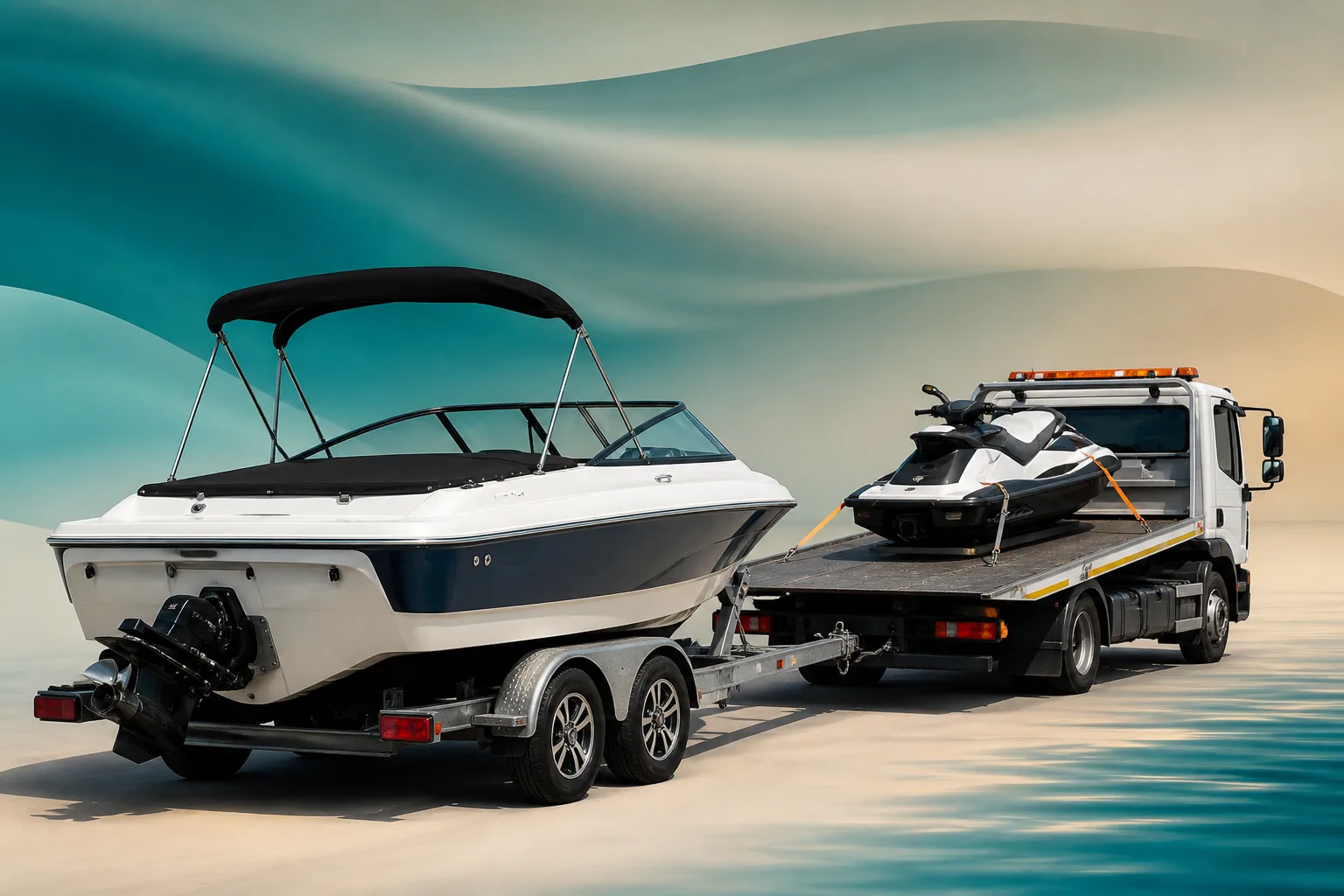
Activity code 4923.86 covers the road transport of motor vehicles, meaning cars, trucks and commercial vehicles, usually moved on car carriers or flatbed transporters. It is specialist haulage rather than general freight, and it does not extend to ordinary goods or non-vehicle cargo.
The reason it sits in its own category is the cargo. Vehicles are high value, they damage easily and they have to arrive looking exactly as they left. That calls for the right carriers, trained operators and handling protocols built around the load. Anyone treating this as ordinary trucking with a different trailer will find out quickly why the code exists.
Who Your Clients Will Be
Your customers are the people who own vehicles in quantity and need them somewhere else.
- Automotive dealerships moving stock into showrooms
- Auction houses shifting lots before and after sale
- Fleet leasing companies rotating vehicles between users
- Vehicle manufacturers and their distributors
- Port operators handling inbound and outbound units
A large share of the work is the same short run repeated: Jebel Ali to an inland distribution point, a showroom or a staging yard. On top of that sits the re-export trade, where vehicles imported into Dubai are redistributed across the GCC, into Africa and into CIS countries, and every one of those transactions needs documented, insured road transport between the port and the destination facility.
Money arrives three ways. Per-vehicle or per-trip contracts suit spot-market clients such as auction houses and resale operators, and they pay quickly but the monthly total moves around. Retainer agreements with dealers managing regular stock movements give you income you can forecast. Long-term contracts with fleet leasing companies and port operators sit somewhere between the two. Most operators run a mix.
Mainland or Free Zone
Let your clients decide it, not the price. Meydan Free Zone license fees compare well with the Department of Economy and Tourism route and come with full foreign ownership. What tends to matter more in practice is where you actually operate from, since most of this work runs out of a depot or a third-party yard rather than an office, and the free zone position close to Sheikh Zayed Road and Al Khail Road is useful for time-sensitive movements.
[blockCTACostCalculator]
Step by Step Setup Guide
- Step 1, pick your activity code: Confirm 4923.86 during the application. The Meydan Free Zone setup team can check the scope and flag any ancillary activities worth adding.
- Step 2, choose your license package: A flexi-desk suits operators whose physical work runs from a depot or third-party facility. Take a physical office if you need staff based at the free zone premises.
- Step 3, send in your setup documents: Passport copies, your proposed trade name and a business plan if one is asked for. Name availability can be checked before you submit.
- Step 4, get your license: Issuance usually takes a few working days once the documents are complete. Open a corporate bank account from there, and register with the FTA and MOHRE as needed.
- Step 5, plan your visa allocation: Entitlements are tied to your office package. Count driver headcount and operations staff at the start, because adding visa capacity later costs both money and time.
Remote setup is available, so founders do not need to be in Dubai to get the company registered. Original documents can be couriered as required.
Compliance and What You Need in Place
RTA permits and vehicle categories
The Roads and Transport Authority governs road transport permits and how commercial haulage vehicles are categorised in Dubai. Any operator running car carriers or flatbed transporters must make sure the fleet is correctly categorised, properly permitted and within RTA load and dimension standards. This applies to subcontracted vehicles as much as to your own, which is the detail people miss when they scale by hiring in capacity.
VAT
Register with the Federal Tax Authority once annual revenue passes the mandatory threshold. Transport services are taxable at the standard 5% rate, and every invoice must reflect that from the day you register. Put a compliant invoicing system in place before you need it rather than reissuing paperwork later.
Drivers and MOHRE
Employment compliance sits with the Ministry of Human Resources and Emiratisation. Drivers and operations staff need properly structured contracts, and Emiratisation quotas may apply once you reach a certain size. Build that into the hiring plan at the start rather than reacting to it.
Running costs
Beyond the license itself, budget for annual renewal, RTA transport permits, commercial vehicle insurance and MOHRE compliance. None of these is a surprise, and all of them are workable once the business is structured properly from day one.
Market Opportunity
The demand here is anchored by a port. Jebel Ali handles millions of vehicle units a year and ranks among the largest automotive re-export hubs in the world, which produces a constant flow of inland movement: port to showroom, depot to auction yard, dealer to end customer. That flow is structural rather than seasonal, because the vehicles keep arriving whether or not the local market is having a good quarter. The re-export side adds to it, with imported vehicles redistributed across the GCC, Africa and CIS countries, each shipment needing insured road transport at both ends.
Two newer drivers are worth watching. The RTA has been expanding its fleet renewal and electrification programmes, which creates work at both ends of the cycle: delivering new vehicles and moving retired ones for disposal. And growing EV adoption brings its own specialist demand, particularly for vehicles that should not be driven long distances during pre-delivery inspection periods and therefore have to be carried rather than driven.
Conclusion
Motor vehicle transportation is a well-defined activity with an established customer base and demand that comes from port throughput rather than sentiment. The regulatory picture is clear once you understand that the RTA cares about your fleet, not just your company.
Meydan Free Zone gives you full foreign ownership, a license in days and a position close to the arterial roads this work depends on. Three things decide how well it goes: fleet categorisation confirmed before you quote, retainer agreements with dealers signed early, and visa capacity planned for the drivers you will actually need.
[blockCTAContact]