Table of Contents
Frequently Asked Questions
What is activity code 4520.86 and what services does it cover
Activity code 4520.86 is the official classification for Tyre Fixing and Wheel Alignment Services in Dubai. It covers a focused but commercially complete range of automotive workshop operations.
Primary services under this code include tyre fitting and replacement, puncture repair, wheel balancing, four-wheel alignment, and tyre rotation. Each of these generates repeat visits from the same customer base, keeping customer acquisition costs low once a workshop is established.
Why is Dubai considered a strong market for tyre and wheel alignment businesses
Dubai has over 1.5 million registered vehicles, with numbers growing annually, creating consistent high-volume demand for automotive aftermarket services. The city's extensive road network and rising car ownership among a growing population provide a stable customer base.
Summer temperatures regularly exceeding 45°C accelerate tyre degradation and increase blowout risk. Sand ingress, road surface heat, and aggressive driving patterns shorten tyre replacement cycles compared to temperate markets — meaning this is structural demand, not discretionary spending.
Fleet operators such as logistics companies, car rental firms, and ride-hailing platforms add a predictable B2B revenue layer on top of retail walk-in customers, further strengthening the business case.
What are the main revenue streams for a tyre and wheel alignment workshop in Dubai
Revenue typically falls into three categories: walk-in retail from private motorists, contract arrangements with fleet operators, and referral or tie-up agreements with roadside assistance providers.
Fleet contracts are particularly valuable because they offer predictable monthly revenue. They are accessible to workshops that can demonstrate sufficient capacity and turnaround speed. Target customers include private car owners, taxi and ride-hailing operators, logistics companies, car rental firms, and franchised dealerships that outsource tyre work.
What equipment is needed to set up a tyre fixing and wheel alignment workshop
A fixed workshop requires meaningful capital outlay. Core equipment includes alignment rigs, balancing machines, tyre changers, and vehicle lifts. The quality and capacity of this equipment will directly affect turnaround speed and eligibility for fleet contracts.
A mobile unit is an alternative that reduces upfront costs, but it limits service scope and may make a business ineligible for certain fleet contract arrangements that require a fixed premises.
What are the VAT obligations for a tyre and wheel alignment business in Dubai
VAT registration with the Federal Tax Authority (FTA) is mandatory once annual taxable turnover exceeds AED 375,000. VAT is charged at 5% and applies to both parts and labour on automotive services.
Maintaining clean VAT records from the outset is described as straightforward but non-negotiable. Businesses should set up compliant bookkeeping practices before reaching the registration threshold to avoid complications later.
What role does the RTA play in regulating automotive workshops in Dubai
The Roads and Transport Authority (RTA) sets operational requirements for automotive service providers in Dubai, particularly for businesses servicing vehicles on a commercial basis. Workshops must comply with RTA guidelines governing workshop standards.
Compliance with RTA requirements should be confirmed before committing to a premises lease, as the location and setup of a workshop may need to meet specific standards to operate legally under activity code 4520.86.
What is the licensing route for setting up a tyre business in Dubai via Meydan Free Zone
The article identifies Meydan Free Zone as a licensing route for establishing a tyre fixing and wheel alignment business under activity code 4520.86 in Dubai. Free zones in the UAE typically offer streamlined business setup processes for specific activity classifications.
Prospective business owners should verify the specific steps, documentation requirements, and fee structures directly with Meydan Free Zone, as these can vary and are subject to change. Confirming that the chosen free zone permits the full scope of services under 4520.86 is an important early step.
What staffing and employment compliance requirements apply to this type of business
Hiring technicians for an automotive workshop in Dubai requires compliance with the Ministry of Human Resources and Emiratisation (MOHRE) requirements. These govern employment contracts, worker rights, and Emiratisation obligations depending on the size and structure of the business.
Business owners should factor MOHRE compliance into their operational planning from the outset, as staffing is central to workshop capacity and the ability to secure fleet contracts. Consulting with a local business setup adviser or PRO service is recommended to navigate the full requirements.
How to Start a Tyre Fixing and Wheel Alignment Business in Dubai
Forty-five degrees of summer heat, sand on the road surface, and a lot of hard driving. Tyres in Dubai wear out faster than tyres almost anywhere else, and nobody postpones replacing them. That is a rare thing in a service business: demand that does not wait for a better month.
This guide covers what activity code 4520.86 lets you do, where the fleet money is, how to set up through Meydan Free Zone, and the workshop and waste rules that catch new operators. The trade is high-frequency and the customers come back.
Key Stats at a Glance
What This License Covers

Activity code 4520.86, Tyre Fixing and Wheel Alignment Services, covers a focused but commercially complete set of workshop operations: tyre fitting and replacement, puncture repair, wheel balancing, four-wheel alignment and tyre rotation.
The commercial feature of that list is repetition. Every one of those services generates repeat visits from the same customer, which keeps acquisition costs low once a workshop has established a local presence. You are not winning a customer once, you are winning a replacement cycle.
Who Your Clients Will Be
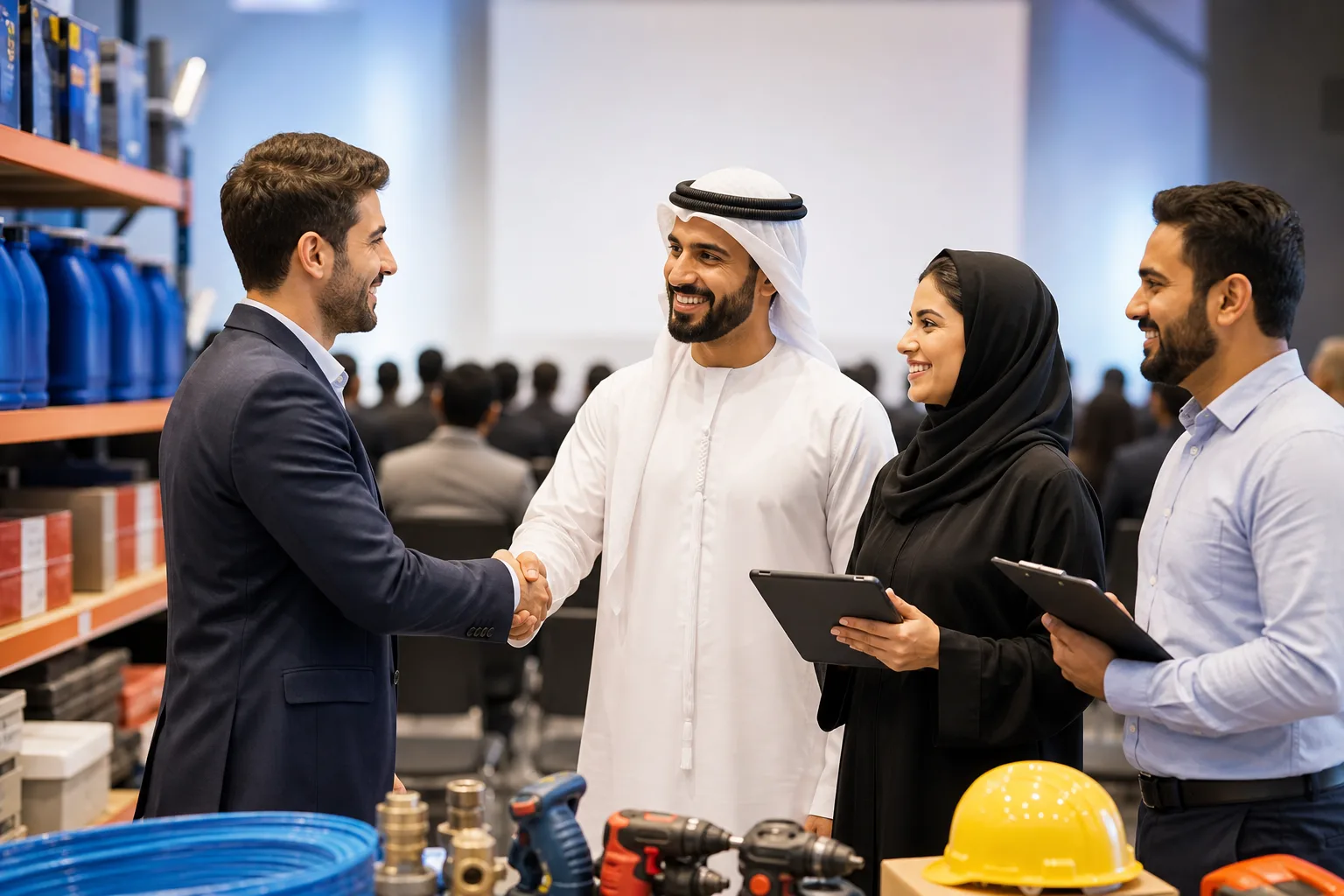
Two very different buyer types, and the second is where the stability comes from.
- Private car owners walking in
- Taxi and ride-hailing operators
- Logistics companies and car rental firms
- Franchised dealerships outsourcing tyre work
Revenue falls into three streams. Walk-in retail from private motorists is the visible one. Contract arrangements with fleet operators are the valuable one, because they produce predictable monthly revenue and are open to any workshop that can show real capacity and turnaround speed. Referral or tie-up agreements with roadside assistance providers add a third.
Fleet contracts are worth designing the business around from the start. They favour operators who can turn vehicles around fast, which in turn depends on how many bays and machines you have. A mobile unit reduces your upfront cost but limits service scope and can make you ineligible for fleet arrangements that need fixed premises, so that choice shapes your whole customer mix.
The kit list for a fixed workshop is specific: alignment rigs, balancing machines, tyre changers and vehicle lifts. Quality and capacity here feed directly into turnaround speed, which feeds directly into whether you win contracts.
Mainland or Free Zone
Meydan Free Zone offers full foreign ownership, a short setup and eligibility for UAE residency visas, all relevant for an owner-operator entering automotive services. It keeps the structure lean and avoids the extra complexity of a mainland license from the Department of Economy and Tourism for those whose operating model permits it. Let your clients decide it, not the price.
[blockCTACostCalculator]
Step by Step Setup Guide
- Step 1, select your activity and name: Confirm 4520.86, check trade name availability and define your service scope.
- Step 2, send in your documents and take initial approval: Typically within a few working days.
- Step 3, secure your premises: A physical workshop needs a separate lease and may involve extra municipal approvals. A flexi-desk works only if your model does not need a bay.
- Step 4, take your license and sort visas: Get your trade license and Emirates ID, then apply for staff visas and labour cards through MOHRE.
Documents you will need: passport copies for all shareholders and directors, current visa status documentation, a business plan summary outlining services and projected activity, a No Objection Certificate if you are currently employed in the UAE, and your lease agreement or Meydan facility confirmation letter.
Compliance and What You Need in Place
RTA workshop standards
The RTA sets operational conditions for automotive service providers in Dubai, particularly where vehicles are serviced commercially. Confirm compliance before you commit to a premises lease, because the location and setup of a workshop may need to meet specific standards to operate legally under this code. Signing a lease first and checking afterwards is an expensive sequence.
Waste tyre disposal
This is the one that catches new operators. Waste tyre disposal is subject to environmental rules in Dubai, and you must use approved disposal contractors and keep records. Factor it into your operational setup from day one rather than discovering it once used tyres start stacking up behind the workshop.
VAT
Registration with the Federal Tax Authority is mandatory once annual taxable turnover passes AED 375,000. At 5%, VAT applies to both parts and labour, so your invoicing needs to handle both correctly. Clean records from the outset are simple to keep and not optional.
Technicians
Hiring falls under MOHRE, covering labour cards, employment contracts and Emiratisation quotas where they apply. Staffing is central to workshop capacity here, and capacity is what makes you eligible for the fleet contracts worth having, so treat recruitment as a commercial priority rather than an administrative step.
Market Opportunity
The demand base is unusually solid. Dubai has over 1.5 million registered vehicles with numbers growing annually, and the UAE road network spans over 5,000 kilometres of federal highways. That is high-volume aftermarket demand before any market analysis.
Climate is what turns volume into frequency. Summer temperatures regularly exceeding 45°C accelerate tyre degradation and increase blowout risk, while sand ingress, road surface heat and hard driving patterns compound wear. The average Dubai motorist replaces tyres more often than a counterpart in a temperate market. This is structural demand rather than discretionary spending, which is exactly what you want underneath a service business.
Mordor Intelligence projects the UAE automotive aftermarket to expand steadily through 2030 on fleet growth and rising vehicle age. On top of retail walk-ins, fleet operators including logistics companies, car rental firms and ride-hailing platforms add a predictable B2B layer, and car ownership keeps rising as the population grows and infrastructure investment continues.
Conclusion
Tyre fixing and wheel alignment is a high-frequency, demand-stable trade in Dubai. Vehicle volumes, climate and continued infrastructure spending give it a durable customer base that is not sensitive to economic cycles the way discretionary services are.
Two things decide how it goes. Confirm RTA workshop standards before you sign a lease, and build capacity deliberately so you qualify for fleet contracts rather than depending on walk-ins. Licensing through Meydan Free Zone keeps the setup lean and preserves full ownership while you do it.
[blockCTAContact]