
Table of Contents
Frequently Asked Questions
What is activity code 4774.93 and what does it permit
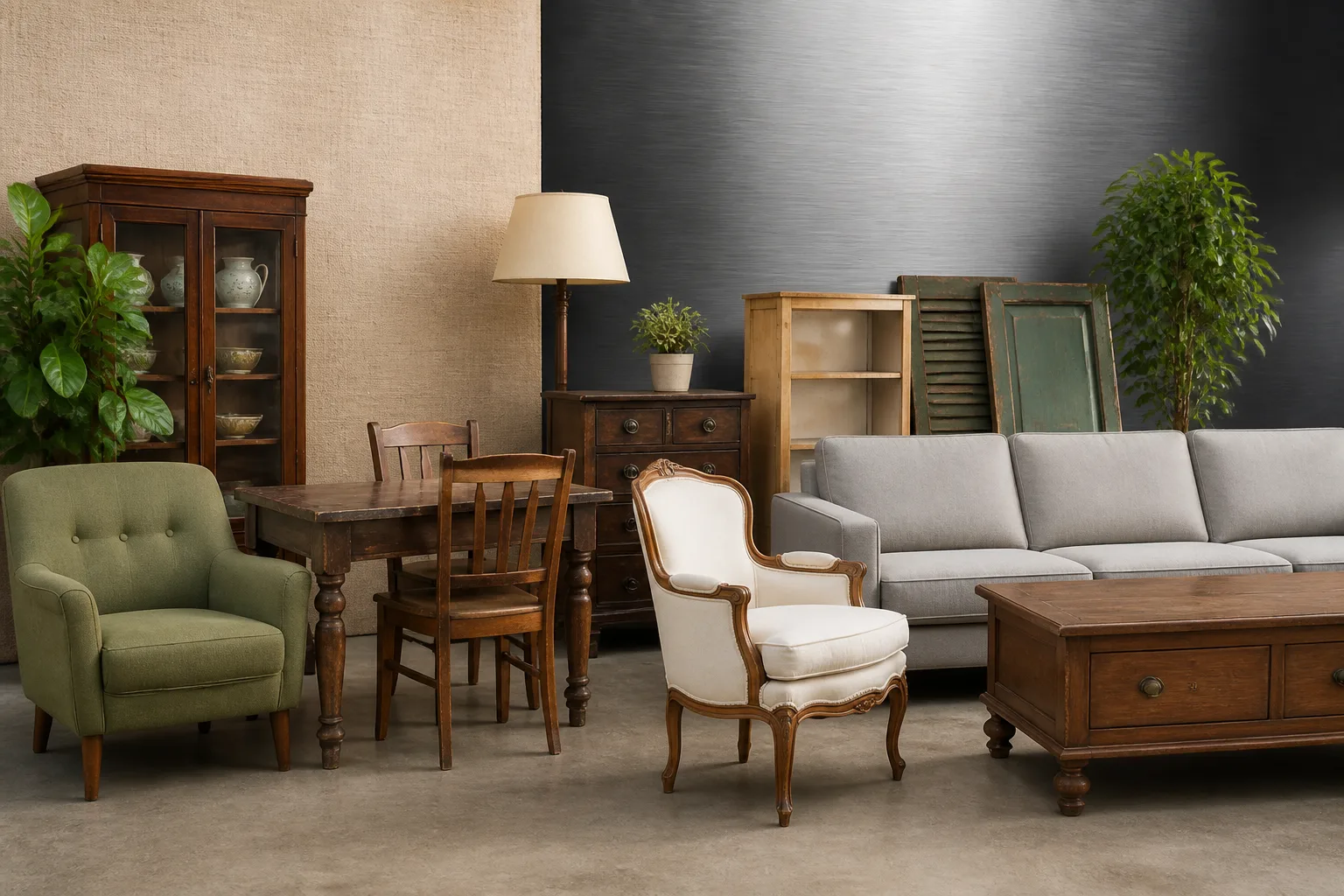
Activity code 4774.93 refers to Used Furniture Trading — the retail of pre-owned furniture goods. It sits within the broader secondhand retail classification and gives the licence holder a clearly defined commercial scope.
Holding this code means regulators and banking institutions recognise your business as a specialist used-goods retailer rather than a general trader, which can simplify account opening and compliance processes.
The code covers sourcing, buying, selling, and re-exporting pre-owned furniture items. It does not automatically extend to unrelated secondhand categories, so operators dealing in mixed goods may need additional activity codes.
Why is Dubai a good market for used furniture trading
Dubai's expatriate population makes up approximately 92% of residents, according to the Dubai Statistics Center. Most expats stay on two- to five-year contracts, creating a continuous and predictable churn of quality household furniture entering the secondhand market.
Departing residents typically offload sofas, dining sets, and office furniture at compressed prices, while arriving residents — especially those moving from furnished to unfurnished accommodation — represent steady demand.
Corporate demand adds another layer. SMEs refitting offices, hotel operators refreshing rooms, and serviced apartment operators sourcing budget inventory all participate in the secondhand furniture market, broadening the customer base beyond individual consumers.
What are the main business models for a used furniture trading business
There are three primary models. Buy-and-resell involves purchasing inventory outright from individuals, estate clearances, or corporate disposals and selling at a margin. Consignment means the original owner retains title until the item sells, and you earn a percentage — typically 20–35% of the sale price.
The third model is clearance contracts, where businesses or property managers pay you to clear a space and the goods themselves become your inventory at zero acquisition cost. This model can yield gross margins of 60–80% when items are resold at retail prices.
Many operators blend all three models depending on the source, the volume, and the customer relationship involved.
What gross margins can a used furniture trader expect
Margin structures vary significantly by sourcing method. Clearance-sourced inventory — where a client pays you to remove goods — can yield gross margins of 60–80% when those goods are resold at retail prices, since acquisition cost is effectively zero.
Consignment arrangements typically return 20–35% of the final sale price to the trader. Direct purchase and resale sits in between, with margins depending on negotiated acquisition costs and prevailing market prices.
Building low-cost supply pipelines through relocation companies, real estate agents, and property management firms is one of the most effective ways to protect and improve margins over time.
Does VAT apply to used furniture sales in Dubai
Yes. VAT at 5% applies to used goods trading in the UAE once your annual turnover exceeds the AED 375,000 registration threshold, as set by the Federal Tax Authority.
Businesses operating below this threshold are not required to register for VAT, though voluntary registration is permitted. Once registered, VAT must be charged on taxable supplies and reported through regular return filings.
It is advisable to consult a UAE-registered tax agent when approaching the threshold to ensure timely registration and correct treatment of second-hand goods under the applicable VAT rules.
Can a free zone licence be used to sell used furniture to UAE mainland customers
A free zone licence under activity code 4774.93 permits trading and re-export but does not automatically authorise direct retail to UAE mainland consumers from a physical shopfront.
If your model involves walk-in retail on the mainland, you should consider obtaining a mainland trading licence or entering a distribution agreement with a mainland-licensed entity.
If your business is B2B, online, or export-oriented, a free zone licence is generally operationally sufficient and offers advantages such as 100% foreign ownership and simplified setup through providers like Meydan Free Zone.
What sourcing channels work best for used furniture inventory
Effective sourcing channels include classified platforms such as Dubizzle, direct outreach to departing expatriates, and partnerships with property management companies and corporate facilities managers who need spaces cleared regularly.
Building relationships with relocation companies and real estate agents is particularly valuable — these partners encounter furniture-rich departures frequently and can provide a reliable, low-cost supply pipeline with minimal marketing spend.
Corporate disposals — from offices downsizing or hotels refurbishing — can yield large volumes of consistent-quality inventory in a single transaction, making them worth pursuing through direct business development outreach.
What role does the circular economy play in the UAE used furniture market
The circular economy has gained meaningful traction in the UAE, with households and businesses increasingly open to pre-owned goods as both a cost-saving measure and a sustainability choice. This shift in consumer attitude has helped reduce the stigma historically associated with secondhand retail.
Secondhand retail is recognised as one of the fastest-growing segments within circular economy initiatives across the UAE, supported by broader government sustainability frameworks and growing environmental awareness among residents.
For traders, this cultural shift expands the addressable customer base beyond budget-driven buyers to include sustainability-conscious consumers — a segment that tends to be less price-sensitive and more loyal when businesses communicate their environmental credentials clearly.
How to Start a Used Furniture Trading Business in Dubai
Dubai fills up and empties out again every few years. Most residents are expatriates on two to five year contracts, so sofas, dining sets and office desks change hands constantly. One family leaves and sells a flat's worth of furniture cheaply. Another arrives and has to fill an empty apartment. That churn is the business.
This guide covers what activity code 4774.93 lets you do, who buys from you, how the margins work, and how to set up your license through Meydan Free Zone. The rules here are lighter than in most trades. What you really need is storage, a steady supply line, and a clear idea of which buyers you are chasing.
Key Stats at a Glance
What This License Covers

Activity code 4774.93 covers the retail of pre-owned furniture goods. It sits inside the broader secondhand retail category and gives you a clearly defined commercial scope.
In practice the code covers sourcing, buying, selling and re-exporting used furniture. It does not automatically stretch to other secondhand categories, so if you deal in mixed goods you may need extra activity codes on the same license.
Holding this code means regulators and banks see you as a specialist used-goods retailer rather than a general trader. That tends to make opening an account and clearing compliance checks simpler.
Who Your Clients Will Be
Your buyers fall into four groups:
- Arriving expatriates furnishing unfurnished apartments
- Hotel and serviced apartment operators refreshing rooms
- Property developers staging show units
- Small businesses fitting out budget office space
Money comes in three ways:
- Buy and resell: you buy stock outright from individuals, estate clearances or corporate disposals, then sell at a margin.
- Consignment: the original owner keeps title until the item sells, and you take a cut, usually 20% to 35% of the sale price.
- Clearance contracts: a business or property manager pays you to clear a space, and the goods become your stock at zero cost. Resold at retail prices, that can return gross margins of 60% to 80%.
Sourcing is where the money is really made. Direct outreach, classified platforms, property management companies and corporate facilities managers all work. Build relationships with relocation companies and real estate agents and you get a reliable, low-cost supply pipeline.
Mainland or Free Zone
Plan to run a walk-in shop and you want a mainland license from the Department of Economy and Tourism, or a distribution deal with a mainland-licensed company. If you sell business to business, online or for export, a free zone license does the job on its own. Let your buyers decide it, not the price.
[blockCTACostCalculator]
Step by Step Setup Guide
- Step 1, confirm your activity code: Check that code 4774.93, Used Furniture Trading, sits on the Meydan Free Zone trading license list. The team can confirm it for you.
- Step 2, pick your license package: Choose between a sole establishment and a company structure. Work out share allocation now if you are setting up with partners.
- Step 3, book your trade name: Send two or three options in order of preference. Names must follow UAE naming rules, so no offensive terms and no references to political or religious bodies.
- Step 4, send in your documents: Usually a passport copy, the completed application form and your name booking. No audited accounts and no minimum capital deposit at this stage.
- Step 5, collect the license and sort visas: The license is what you use to open a corporate bank account. You can also sponsor residency visas for yourself and your staff, and the number depends on the package you pick.
Founders outside the UAE can get through the whole process without flying to Dubai.
Compliance and What You Need in Place
Storage
Stock takes up room. Meydan Free Zone offers flexi-desk and virtual office packages for lighter operations, but used furniture at any real volume needs dedicated space. Most traders either lease a warehouse or work with a third-party logistics provider.
Selling into the mainland
A free zone license lets you trade and re-export, but it does not automatically allow direct retail to UAE mainland consumers from a physical shopfront. If walk-in retail is central to your plan, sort out a mainland license or a distribution agreement before you commit.
VAT and books
Register for VAT with the Federal Tax Authority once your taxable turnover passes AED 375,000 a year. Voluntary registration opens at AED 187,500. Used goods traded inside the UAE carry the standard 5% rate. Keep clean books from your first sale and filing stays simple.
Staff
If you hire in the UAE, Ministry of Human Resources and Emiratisation rules apply from your first employee. That means proper contracts and payroll run the way the ministry expects.
Market Opportunity
The demand side is unusually predictable. About 92% of Dubai residents are expatriates, and most cycle through the city on two to five year contracts. Supply and demand renew themselves every year without anyone having to create the market.
Corporate buyers add a second layer. Small businesses refitting offices, hotel operators refreshing rooms and serviced apartment operators chasing budget stock all buy secondhand. Regionally the furniture and furnishings sector is valued at over USD 2 billion.
Attitudes have shifted too. Households and businesses now treat pre-owned goods as both a cost saving and a sustainability choice, and secondhand retail is one of the fastest-growing parts of the UAE circular economy. That widens your customer base beyond bargain hunters.
Conclusion
Used furniture trading in Dubai is a low-barrier business with cash flowing in early. The supply is reliable, the margins are workable, and the regulatory path is clear.
A Meydan Free Zone trading license under code 4774.93 is a direct route in, and it suits founders who want to stay lean, move quickly and keep overheads down. Three things decide how well it goes: where you store stock, how cheaply you source it, and whether your buyers sit on the mainland or abroad. Settle those and the rest is routine.
[blockCTAContact]