
Table of Contents
Frequently Asked Questions
What is the activity code for Martial Arts Instruction in Dubai
Martial Arts Instruction in Dubai is classified under activity code 8541.08. This code sits within the educational and training services category, which means it can be issued through either a mainland Dubai Department of Economy and Tourism (DET) licence or a free zone authority licence.
The classification reflects the dual nature of martial arts as both a sport and a structured instructional discipline, which has implications for how your business is regulated and which additional approvals may be required.
Can a foreigner own 100% of a martial arts studio in Dubai
Yes. Since the 2021 ownership reforms, most service activity categories on the mainland — including instruction and training services — no longer require a UAE national sponsor. This means foreign founders can hold full ownership of a mainland martial arts studio through the Dubai Department of Economy and Tourism.
In free zones such as Meydan Free Zone, 100% foreign ownership has always been permitted. Both routes are now genuinely accessible to international entrepreneurs without the need for a local partner.
Should I set up on the mainland or in a free zone for a martial arts studio
The right jurisdiction depends on your business model. A mainland DET licence is the appropriate choice if you plan to operate a physical, walk-in studio open to the public, as it allows you to trade directly with customers across Dubai without restrictions.
A free zone licence — for example through Meydan Free Zone — is better suited to mobile programmes, online coaching, or multi-location models where retail footfall is not the primary focus. Free zone setup typically involves faster incorporation, no paid-up capital requirement, and lower initial costs, making it a practical option for solo instructors testing the market.
What are the main steps to obtain a martial arts instruction licence in Dubai
The process follows a clear sequence. First, choose your jurisdiction — mainland DET for a public-facing studio or a free zone for leaner or remote operations. Then reserve your trade name and obtain initial approval from the relevant authority.
If you have more than one shareholder, you will need to draft and notarise a Memorandum of Association. You must then secure physical premises and register a tenancy contract — Ejari for mainland setups or a free zone tenancy agreement for free zone setups.
Finally, submit your full document pack, which typically includes passport copies, a visa NOC if you are currently sponsored elsewhere, and the signed lease agreement, to receive your licence.
What revenue streams can a martial arts studio generate in Dubai
The core revenue for most studios comes from group classes and private coaching. These are supplemented by belt grading fees, branded merchandise sales, and increasingly, corporate wellness contracts as Dubai employers invest in structured staff wellbeing programmes.
The diverse and large expatriate population means studios can serve families, competitive athletes, professionals, and corporate clients simultaneously, reducing reliance on any single revenue stream and supporting more stable cash flow.
Which martial arts disciplines have the strongest market demand in Dubai
Disciplines with consistently strong market traction in Dubai include BJJ, MMA, Muay Thai, Judo, Karate, and Krav Maga. The city's young, health-conscious, and internationally diverse population sustains demand across all of these styles.
Each discipline carries its own instructor certification expectations from international governing bodies, which directly affects your hiring and credentialling strategy. Ensuring your instructors hold recognised qualifications is important both for regulatory compliance and for building client trust.
What role does the Dubai Sports Council play for martial arts studios
The Dubai Sports Council oversees sports entity registration across the emirate and actively supports combat and martial arts clubs within its framework. Alignment with the Council is not always mandatory for a commercial studio, but it adds significant institutional credibility.
Registration with the Dubai Sports Council is required if you intend to host sanctioned competitions or affiliate with national and international federations. Studios with competitive or federation-linked ambitions should factor this registration into their setup timeline and budget.
When does a martial arts studio in Dubai need to register for VAT
VAT registration in the UAE becomes mandatory once your business reaches a taxable turnover of AED 375,000 per annum, as set by the Federal Tax Authority. Below this threshold, registration is optional but may still be beneficial if you are reclaiming input tax on significant business expenses.
Studios generating revenue from group classes, private coaching, grading fees, merchandise, and corporate contracts should monitor their cumulative turnover carefully, as multiple income streams can push a growing studio past the threshold sooner than expected.
Open a Martial Arts Instruction Studio in Dubai
Dubai has a large, active population that spends real money on fitness, and martial arts instruction is one of the faster-growing segments in that market. Demand comes from residents, expat families, competitive athletes, and corporate wellness programmes. The market is real and it is growing.
This guide covers the license, setup steps, regulatory requirements, and commercial realities you need to know before opening a martial arts studio in Dubai.
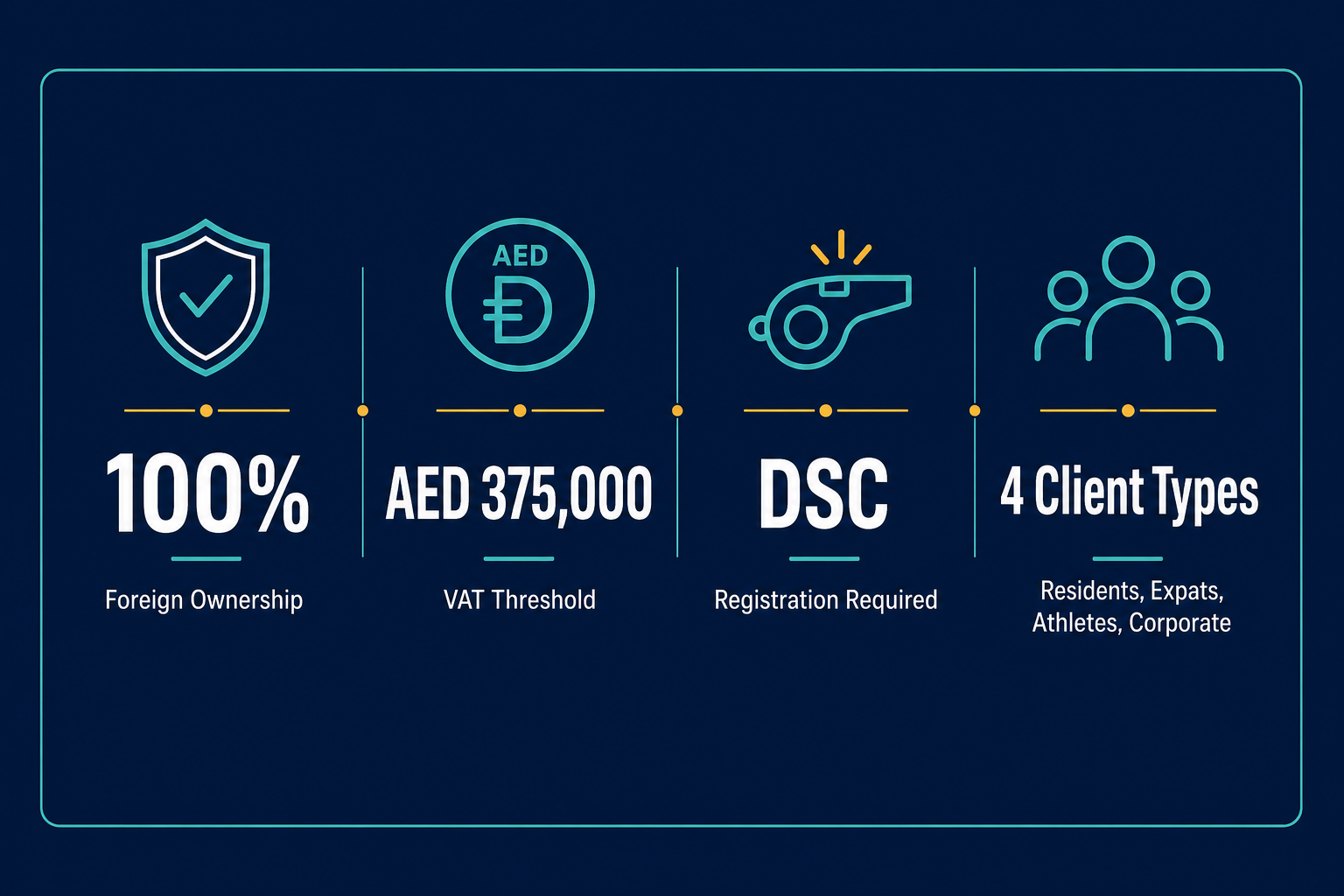
Key Stats at a Glance
| Activity | Martial Arts Instruction |
|---|---|
| License type | Professional / Sports Services |
| Foreign ownership | 100% available via Meydan Free Zone or mainland – Foreign Ownership rules apply |
| Regulatory oversight | Dubai Sports Council registration required for all organised coaching and sports activity |
| Market context | The global martial arts industry is growing steadily, driven by rising health awareness and combat sports participation – IMARC Group |
| VAT threshold | AED 375,000 annual revenue – Federal Tax Authority (FTA) |
| Staff duties | Ministry of Human Resources and Emiratisation (MOHRE) rules apply once you hire |
What This License Covers and Who Your Clients Will Be
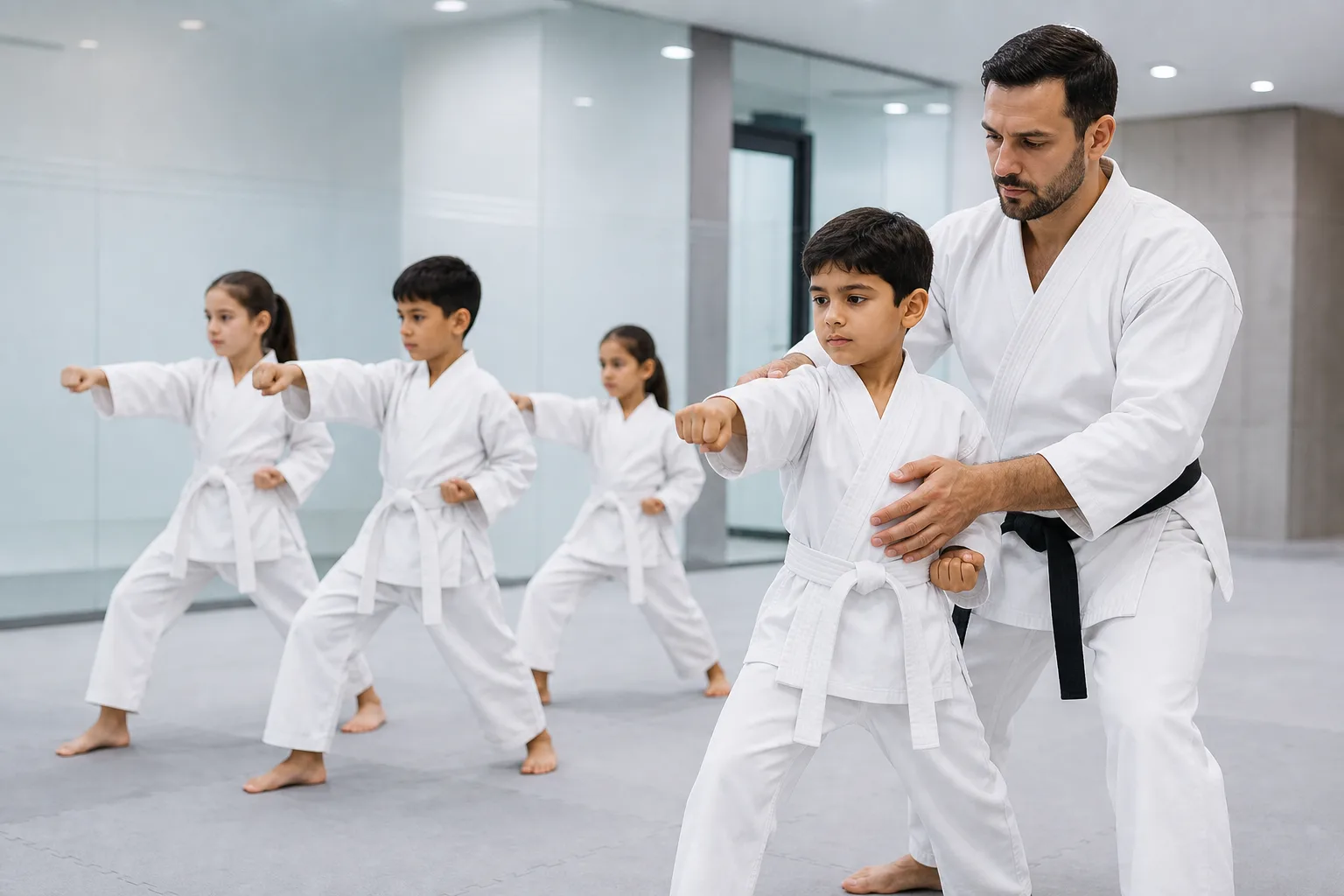
A martial arts instruction license in Dubai covers teaching and coaching across a wide range of disciplines. The most common ones operators run under this activity include Brazilian jiu-jitsu, MMA, karate, taekwondo, boxing, judo, and kickboxing. If you plan to teach more than one discipline, confirm with your chosen jurisdiction that all are covered under the single activity code before you commit.
The license covers group classes, private one-to-one coaching, kids programmes, women-only sessions, and competition preparation. It does not automatically cover hosting licensed competitive events. That needs a separate approval from the Dubai Sports Council and, depending on the discipline, from the relevant UAE national federation.
Who you will be teaching
Dubai's client base for martial arts is broad. Residents and expat families make up the bulk of walk-in business. Parents looking for structured kids programmes are a consistent revenue stream. Competitive athletes training for amateur or professional bouts are a smaller but high-value segment. Corporate wellness buyers are worth pursuing too: companies with large workforces increasingly buy group fitness sessions as an employee benefit, and martial arts formats work well for that.
Dubai Sports Council approval
Any organised sport or coaching activity in Dubai needs Dubai Sports Council registration. This applies whether you are a sole instructor running classes from a rented hall or a full studio with multiple coaches. The Council sets standards on coach qualifications, venue layout, safety equipment, and insurance. You cannot legally run paid coaching sessions without this registration in place. Build it into your setup timeline from day one, not as an afterthought after you have signed a lease.
The Business Activities List at Meydan Free Zone covers sports instruction activities. Check the list early to confirm the exact activity code that matches your disciplines before you apply.
Mainland vs Meydan Free Zone
This is the biggest structural choice you will make. Get it right early, because changing jurisdiction later is costly and slow.
| Factor | Mainland (DET) | Free Zone (Meydan Free Zone) |
|---|---|---|
| Client access | Open UAE market, including malls and government contracts | Mainly private clients and corporate buyers |
| Ownership | 100% foreign ownership available | 100% foreign ownership |
| Setup cost | Higher – physical office and approvals add cost | Lower starting cost – Dubai Trade License from AED 12,500 |
| Physical venue | Required – lease must meet DET and Dubai Sports Council standards | Required for Dubai Sports Council venue approval |
| Best suited for | Walk-in studio, mall location, or UAE government contracts | Lean start, online coaching, or multi-location operators building out over time |
A mainland license from the Department of Economy and Tourism (DET) lets you work directly with UAE government bodies and sign leases in any commercial or retail location, including malls. If your model depends on high foot traffic or a prominent retail address, mainland is the natural fit.
Meydan Free Zone gives you 100% ownership, a simpler setup process, and a lower cost to start. It suits operators who are building lean at first, running online coaching alongside in-person sessions, or planning to grow to multiple locations before committing to a large physical footprint. You can also start a business remotely through Meydan Free Zone if you are not yet based in Dubai.
One thing does not change between the two structures: you still need a physical premises that meets Dubai Sports Council venue standards. A flexi-desk or virtual office address does not satisfy the Council's venue approval process. Factor the cost of a compliant studio space into your numbers whatever structure you choose.
Let your client base and location strategy decide the structure, not the price alone.
Free Business Setup Cost Calculator
Calculate NowStep-by-Step Setup Guide
- Step 1, book your trade name: Use the DET e-Services portal for a mainland company, or the Meydan Free Zone portal for a free zone one. Check your company name availability before you go further. Names that reference specific martial arts disciplines or sports titles may need extra approval.
- Step 2, pick your activity code: Confirm the code covers every discipline you plan to teach. If you want to run BJJ, boxing, and kids karate under one roof, make sure all three fall within the approved activity before you apply. Check with your jurisdiction if you are unsure.
- Step 3, get initial approval: Submit your application and supporting documents to DET or Meydan Free Zone. Initial approval is the green light to move to the next stage. Do not sign a lease before you have this.
- Step 4, secure a compliant premises: Find a studio space that meets Dubai Sports Council venue standards. This covers floor area, matting, ceiling height, ventilation, changing facilities, and fire safety. Get the landlord to confirm the space is approved or approvable for sports use before you sign.
- Step 5, register with Dubai Sports Council: Submit your venue details, coach credentials, and insurance documents to the Dubai Sports Council. Get instructor accreditation approved at this stage. Do not open to paying clients until this registration is confirmed.
- Step 6, apply for staff visas and certifications: Each coach needs a UAE residence visa, a work permit, and recognised coaching qualifications. First-aid certification for at least one staff member on site at all times is a standard requirement. MOHRE rules govern employment contracts, visa quotas, and payroll through the Wage Protection System (WPS).
- Step 7, open your doors: Once your license is issued, your Dubai Sports Council registration is confirmed, and your staff are cleared to work, you can start taking clients.
Compliance, Costs, and Market Opportunity
Dubai Sports Council requirements
The Dubai Sports Council sets the rules for coach qualifications, safety equipment, and venue layout. Coaches need recognised international or UAE-approved certifications for their discipline. The venue needs proper matting, adequate space per student, and safety equipment appropriate to the activity. The Council can inspect at any time, so keep your compliance documents current and accessible.
MOHRE duties
Once you hire staff, MOHRE rules apply. You need written employment contracts for every employee, you must enrol in the Wage Protection System, and you are subject to visa quota rules that limit how many foreign workers you can sponsor relative to your business size. Breaking these rules leads to fines and potential suspension of your ability to sponsor new visas. Get this right from the first hire.
VAT registration
You must register for VAT once your annual revenue hits AED 375,000. The Federal Tax Authority (FTA) sets and enforces this threshold. If you are running group classes, private sessions, and merchandise sales, your revenue can reach this point faster than you expect. Track it from month one. VAT registration support services are available through Meydan Free Zone if you need help with the process.
Corporate tax
The UAE corporate tax rate of 9% applies to taxable income above AED 375,000. Free zone entities may qualify for a 0% rate on qualifying income, subject to conditions. Check the current rules with a qualified adviser before you assume your structure qualifies.
Market opportunity
Dubai's fitness and combat sports market has real depth. The city's population skews young, internationally mobile, and health-conscious. Participation in structured martial arts programmes has grown alongside the broader fitness industry. According to IMARC Group, the global martial arts equipment and instruction market continues to expand, driven by rising interest in self-defence, competitive combat sports, and fitness-oriented martial arts formats.
In Dubai specifically, BJJ has a particularly strong following, with a well-established competition circuit and a large recreational training community. MMA gyms have multiplied over the past decade. Kids programmes in karate and taekwondo have consistent demand from expat families who want structured after-school activities with a discipline component.
How to stand out
The market is competitive in the popular disciplines. Differentiation matters. The clearest ways to do it are by discipline (specialise in something underserved, such as wrestling or judo), by demographic (women-only classes, kids-only academies, or corporate wellness formats), or by competition pathway (building a serious competition team attracts committed students who train frequently and stay long-term). Pick one and build your marketing around it from the start.
For ongoing financial administration, accounting services through Meydan Free Zone can cover bookkeeping, corporate tax filing, and financial reporting as your studio grows.
Conclusion
A martial arts studio in Dubai is a workable business with real demand. The market is active, the client base is diverse, and the competitive landscape rewards operators who pick a clear niche and run a compliant, well-coached operation. But it needs the right license, Dubai Sports Council registration, qualified coaches, and a compliant venue before you open the doors. None of those steps are optional, and skipping any of them creates real risk.
Speak to Meydan Free Zone to confirm your activity code and get a cost estimate before you commit to a premises. Getting the structure right at the start saves a lot of time and money later.
Ready to Launch Your Business in Dubai?
Let's Connect