
Table of Contents
Frequently Asked Questions
What is activity code 7730.59 and what does it permit
Activity code 7730.59 is the official classification for a Pumps, Engines and Generators Rental business in Dubai. It permits the hiring out of industrial pumps, engines, and generators on a bare-rental basis — meaning the equipment is provided without an operator or engineering personnel.
The licence does not cover operated machinery services or engineering consultancy, which fall under separate activity classifications. Founders should confirm their intended scope of operations matches this code before applying.
Who are the typical clients for a pumps, engines, and generators rental business in Dubai
The client base for this activity is broad and spans several high-demand industries. Key segments include construction sites needing dewatering pumps, oil and gas facilities requiring standby power, and event organisers sourcing temporary generator capacity.
Additional clients include utilities, industrial plants seeking backup capacity during maintenance windows, and data centres requiring long-term generator leases. These are typically high-value, recurring contracts rather than frequent low-ticket transactions.
Should I set up on the mainland or in a free zone for this type of rental business
The right jurisdiction depends on your target market and commercial priorities. A mainland licence via the DED gives unrestricted trading across the UAE, eligibility for government tenders, and direct contracting with large infrastructure clients — all highly relevant for equipment rental. The trade-off is higher setup costs and a mandatory physical office.
A free zone licence offers 100% foreign ownership, faster incorporation, and lower overheads. However, free zone companies renting to mainland clients may need to work through a local distributor or establish a mainland branch, which adds a layer of commercial complexity to factor in early.
What makes Meydan Free Zone a practical option for this business
Meydan Free Zone is highlighted as a suitable option for SMEs and first-time UAE founders setting up under activity code 7730.59. It offers competitive licence fees, flexible desk and office arrangements, and a streamlined single-window setup process.
Like other free zones, it provides 100% foreign ownership and no currency restrictions. It is particularly well-suited to businesses focused on import-re-export models or regional operations rather than direct mainland government contracting.
What is the minimum share capital required to start this business
For most free zone structures, there is no mandatory minimum share capital requirement to establish a pumps, engines, and generators rental company. This lowers the barrier to entry for new founders and SMEs.
On the mainland, share capital requirements vary depending on the legal structure chosen — typically an LLC. Founders should confirm the current requirements with the Dubai Department of Economy and Tourism (DED) or a registered business setup adviser before proceeding.
Does VAT apply to equipment rental revenue in Dubai
Yes. VAT at 5% applies to rental income generated by businesses operating under activity code 7730.59. Any business that meets the UAE's mandatory VAT registration threshold must register with the Federal Tax Authority (FTA) and comply with its filing and invoicing requirements.
Given that generator and pump rental contracts can carry substantial values, businesses in this sector are likely to reach the registration threshold relatively quickly. Early VAT compliance planning is advisable to avoid penalties.
What is the revenue model for a pumps, engines, and generators rental business
The revenue model typically operates across three main structures: short-term hire agreements, long-term lease contracts, and optional maintenance add-ons. Transaction volumes tend to be lower than in consumer-facing businesses, but individual contract values are substantial.
A single long-term generator lease to a data centre or major contractor can anchor a business's cash flow for months at a time. This makes the model attractive for founders seeking predictable, recurring revenue from a relatively small number of high-value client relationships.
What are the key steps to setting up a licence for this activity in Dubai
The setup process is sequential and skipping steps — particularly around banking and equipment importation — can cause significant delays. The first steps involve choosing your jurisdiction and legal structure (LLC for mainland, FZE or FZCO for free zone) and reserving a trade name via the DED eServices portal or your chosen free zone's platform.
Following name reservation, founders must submit incorporation documents including passport copies, a No Objection Certificate (NOC) if applicable, and a tenancy or lease agreement. Each subsequent step builds on the last, so maintaining the correct sequence is essential for a smooth and timely registration.
Pumps, Engines and Generators Rental Business Setup in Dubai
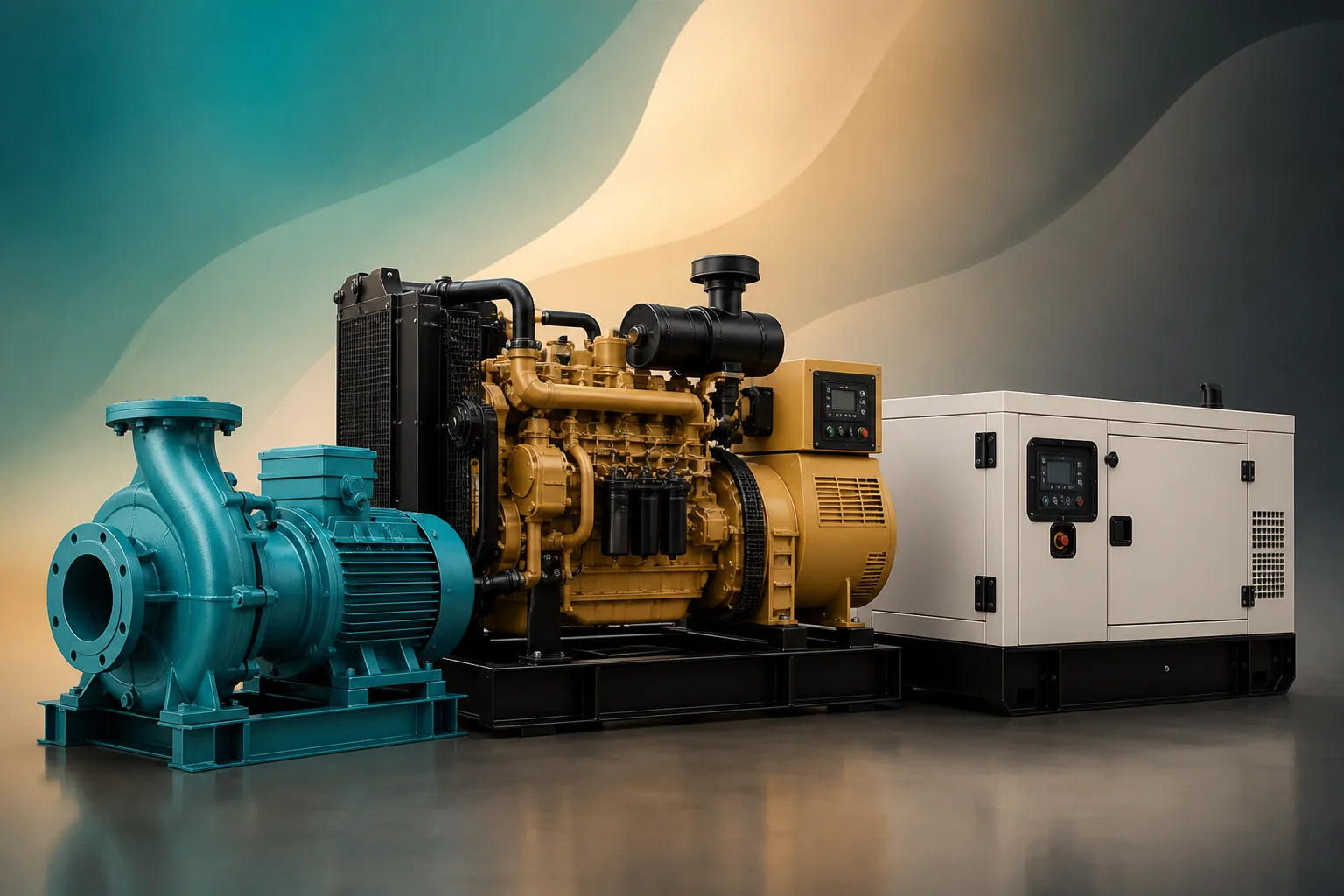
Dubai never really stops building, and construction sites, oil and gas facilities, and big events all need pumps, engines, and generators they do not want to own outright. That gap between needing heavy kit and not wanting to buy it is where this rental business sits, and it is quietly one of the steadier corners of the UAE economy.
This guide covers what activity code 7730.59 lets you do, how you set up the license, and where the real demand comes from.
Key Stats at a Glance
| Activity code | 7730.59 |
|---|---|
| Activity name | Pumps, Engines and Generators Rental |
| License type | Commercial |
| Jurisdiction | Mainland (DET) or Free Zone (Meydan Free Zone) |
| Minimum share capital | No set minimum in most free zones; mainland varies by structure |
| VAT | 5%, registered businesses must follow FTA rules |
| Target market | Construction, oil and gas, events, utilities, industrial sites |
| Market outlook | UAE equipment rental market set to keep growing through 2028, driven by infrastructure and energy projects |
What This License Covers

Activity code 7730.59 lets you rent out industrial pumps, engines, and generators on a bare-rental basis, meaning the kit goes out without an operator. Operated machinery or engineering services sit under separate codes, so keep those apart if you plan to offer both.
Construction sites want dewatering pumps. Oil and gas sites want standby power. Event organisers want temporary generators. Utilities and industrial plants want backup capacity while they run maintenance. That is a wide client base, and it does not depend on any single sector staying hot.
The license itself is a good fit for a founder who understands equipment and logistics but does not want the complexity of operating machinery on someone else's site. You hire out the kit, your client's own team runs it, and your risk stays lower than it would on a service contract.
Who Your Clients Will Be
Your money comes from short-term hire, longer lease contracts, and maintenance add-ons on top. These are big-ticket assets, so you will not do huge volumes of deals, but each one carries real value. A single long lease to a data centre or a contractor can carry your cash flow for months on its own.
Main contractors, facilities management firms, event production companies, and oil and gas operators make up the core of your client list. Win a few of these relationships and repeat business follows.
Mainland or Free Zone
| Factor | Mainland (DET) | Free Zone (Meydan Free Zone) |
|---|---|---|
| Market access | Unrestricted UAE-wide trading | Mainly regional and export-facing |
| Government tenders | Direct eligibility | Needs a local distributor or branch |
| Foreign ownership | Set by DET rules for the activity | 100% yours |
| Setup cost | Higher, physical office needed | Lower, flexible office options |
A mainland DET license suits you if you are chasing large contractors, government entities, and public tenders. Meydan Free Zone suits SMEs and first-time founders who want full ownership and a faster start, though renting to mainland clients may mean working through a local distributor or a mainland branch. Let your target clients decide it, not the price.
[blockCTACostCalculator]
Step-by-Step Setup Guide
- Step 1, choose your jurisdiction and structure: Pick an LLC for mainland, or an FZE or FZCO for a free zone.
- Step 2, book your trade name: Use DET e-Services or your free zone's portal, and check there is no clash with an existing name.
- Step 3, send in your setup documents: You need passport copies, a No Objection Certificate if it applies to you, and a lease agreement or Ejari for mainland setups.
- Step 4, get initial approval and your license: Your license goes live under activity code 7730.59 once approvals clear.
- Step 5, register for VAT: Sign up with the Federal Tax Authority once your taxable supplies pass AED 375,000 a year. Rental businesses at scale reach that line fast.
- Step 6, open a corporate bank account: Banks typically take four to eight weeks to run their checks on a new business, so start this early.
- Step 7, arrange your equipment: Whether you import or buy locally, check the customs code with the Ports, Customs and Free Zone Corporation before machinery ships.
Compliance and What You Need in Place
DET or free zone license
Your license is your commercial approval. No separate federal permit exists purely for renting out non-operated equipment.
Technical standards for imported kit
Any machinery you bring in must meet UAE technical standards. Get this checked before you commit to a shipment.
VAT and the Federal Tax Authority
Register once your turnover passes AED 375,000. Invoicing duties start from your registration date, so have this in place before your first taxable rental, not after.
MOHRE and your staff
If you employ technicians, drivers, or logistics staff, their contracts and work permits must follow Ministry of Human Resources and Emiratisation rules.
Banking timelines
Corporate account approval takes four to eight weeks for a new business. Build that delay into your launch plan rather than treating it as a surprise.
Market Opportunity
Demand here is structural, not a passing trend. Dubai's construction pipeline, including Expo legacy projects and the wider Urban Master Plan, keeps rental equipment in steady demand across every stage of a project. Generator rental is especially strong, since events, data centres, and construction sites all need temporary or backup power that ownership cannot justify economically.
Mordor Intelligence has the UAE equipment rental market on a steady growth path through 2028, helped by energy transition projects and urban development, and Invest in Dubai data backs up the scale of capital flowing into infrastructure. Even so, this is a competitive market. What sets you apart is fleet quality, response time, and maintenance service levels, not the lowest day rate. Cutting your price without the logistics to back it up is the most common way operators fail here.
If you import equipment, model your costs carefully. Customs duty, freight lead times, and storage all eat into your margin, so build them into your pricing from the outset rather than discovering them later. Fleet size matters too: a small fleet limits how many contracts you can run at once, while a fleet that is too large sits idle and drains cash on storage and upkeep. Match your first purchase to a realistic pipeline of confirmed or likely bookings rather than buying on optimism.
Conclusion
Setting up a pumps, engines, and generators rental business in Dubai makes commercial sense given the steady demand from construction, energy, and events. The setup path itself is not complicated, but jurisdiction choice, VAT registration, banking timelines, and import logistics all need careful sequencing.
Get the structure right at setup and you avoid an expensive rebuild later.
[blockCTAContact]
Compliance
THIRD-PARTY APPROVAL
This activity requires pre-approval from the DMA (Dubai Maritime Authority) before a business license can be issued by Meydan Free Zone.
ANTI-MONEY LAUNDERING COMPLIANCE
This business activity is exempt from AML compliance requirements.
References
- Federal Tax Authority
- Mordor Intelligence
- Ports, Customs and Free Zone Corporation
- Ministry of Human Resources and Emiratisation
- Invest in Dubai