
Table of Contents
Frequently Asked Questions
What is activity code 7730.97 and what does it permit
Activity code 7730.97 covers Handling Loading Lifting Equipment Rental. It permits the rental and leasing of equipment used to lift, move, and position heavy loads on a commercial basis.
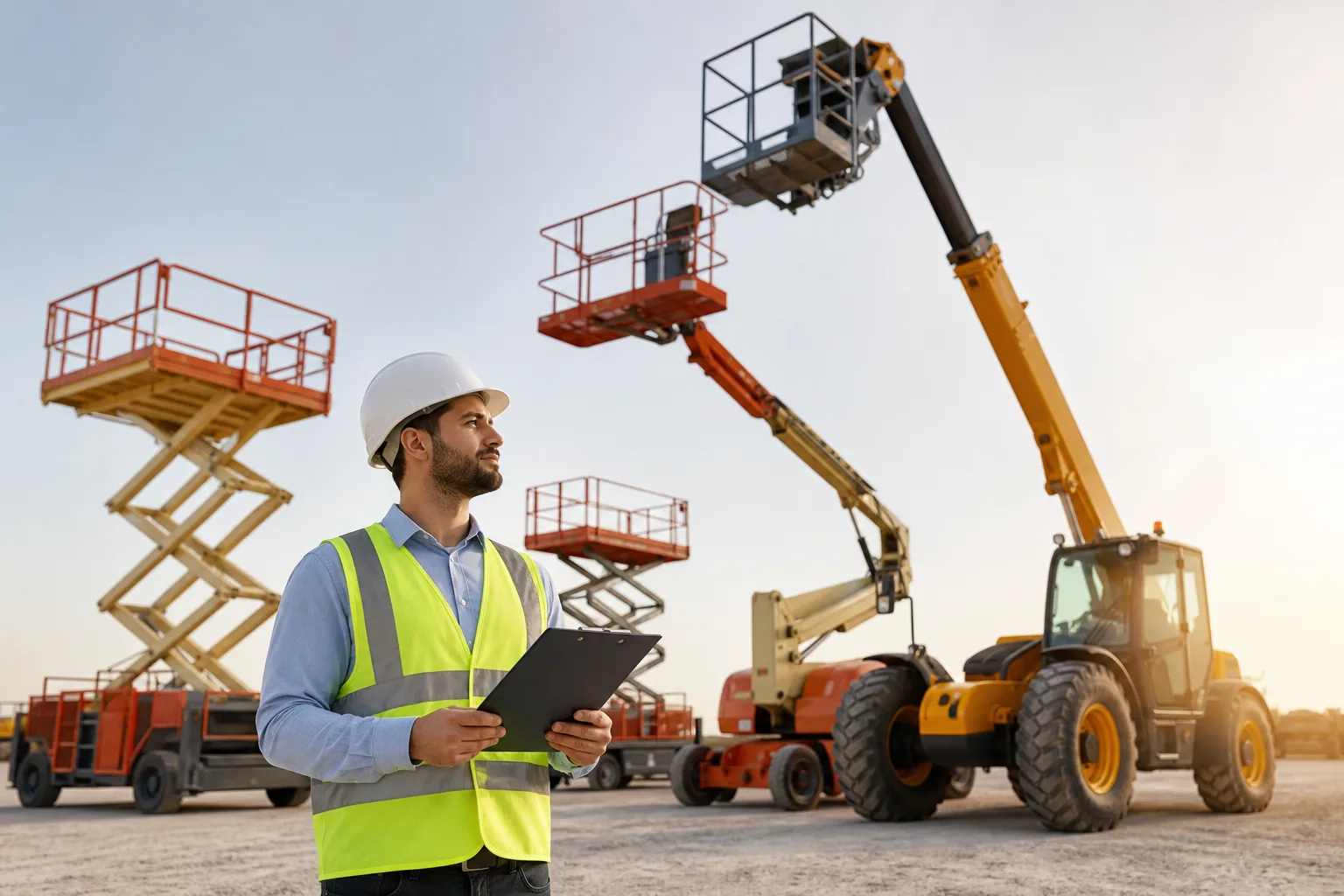
Permitted equipment categories include tower cranes, mobile cranes, crawler cranes, forklifts, reach stackers, hoists, winches, aerial work platforms, scissor lifts, and rigging hardware.
The activity does not extend to permanent installation contracts, equipment sales, or manufacturing. If your business model includes selling equipment alongside rental, a separate trading activity licence is required.
Which free zone is recommended for setting up a lifting equipment rental business in Dubai
The article outlines the setup process specifically via Meydan Free Zone, which supports activity code 7730.97 — Handling Loading Lifting Equipment Rental.
Free zone incorporation generally offers streamlined licensing, 100% foreign ownership, and defined activity scopes suited to equipment rental operators targeting Dubai's construction and logistics sectors.
What is the difference between wet hire and dry hire in equipment rental
Wet hire means the equipment is supplied together with a trained, qualified operator included in the rental arrangement. The client pays for both the machine and the personnel to run it.
Dry hire means the equipment is supplied without an operator — the client is responsible for providing their own qualified personnel to operate the machinery.
Both models are permitted under activity code 7730.97, and many operators offer both to serve different client requirements across construction, logistics, and industrial verticals.
When is VAT registration required for a lifting equipment rental business in the UAE
VAT registration with the Federal Tax Authority (FTA) is mandatory once your taxable turnover exceeds AED 375,000 annually. Rental income is treated as a standard taxable supply at the UAE VAT rate of 5%.
It is strongly advisable to maintain proper invoicing and financial records from the very first transaction. Audits within the construction supply chain are not uncommon, so compliance discipline from day one reduces risk significantly.
What safety and inspection requirements apply to lifting equipment operating in Dubai
Equipment operating in Dubai must meet safety and inspection standards enforced by Dubai Municipality. Road-mobile units are additionally subject to oversight by the Roads and Transport Authority (RTA).
Cranes and lifting gear used on construction sites are subject to periodic third-party inspection requirements. Operators should factor both inspection costs and compliance scheduling into their operational and financial model from the outset.
What employment compliance obligations apply if the business hires operators or technicians
If your business employs operators, technicians, or any other staff, compliance with the Ministry of Human Resources and Emiratisation (MOHRE) is required.
Obligations include properly structured employment contracts, salary processing through the Wages Protection System (WPS), and adherence to applicable Emiratisation targets for larger payrolls. These requirements apply regardless of whether the business is mainland or free zone registered.
Why do contractors in Dubai prefer renting lifting equipment rather than owning it
The economics of rental over ownership are straightforward for project-based contractors. Renting means no depreciation on the balance sheet, no ongoing maintenance liability, and the flexibility to scale fleet size up or down depending on the phase of a project.
This asset-light model is increasingly preferred across the GCC as contractors seek to manage capital expenditure more efficiently. According to IMARC Group and Mordor Intelligence, equipment rental penetration in the region is rising as a direct result of this shift in procurement strategy.
What market opportunity exists for lifting equipment rental businesses in Dubai
Dubai's sustained investment in infrastructure — including ports, roads, real estate, and industrial zones — creates consistent, commercial-scale demand for lifting and handling equipment. The GCC construction equipment rental market is projected to grow steadily through 2030, driven by infrastructure megaprojects across the UAE and Saudi Arabia.
UAE construction sector output has exceeded AED 130 billion in recent years, with Dubai accounting for a significant share according to the Dubai Statistics Center. Key verticals driving rental demand include real estate construction, oil and gas facilities, logistics and warehousing, marine operations, and heavy industrial plants.
The sector is characterised by long contract cycles and repeat clients, making it structurally attractive for operators who can establish relationships with developers, contractors, and logistics operators early in a project pipeline.
How to Start a Lifting Equipment Rental Business in Dubai
A tower crane costs a fortune to buy and sits idle between projects. Contractors worked that out a long time ago, which is why most of them rent rather than own. Somebody has to own the fleet they rent from, and in a city that never stops building, that is a business with long contracts and repeat customers.
This guide covers what activity code 7730.97 lets you do, who hires the machines, and how to set up your license through Meydan Free Zone. Fleet cost and compliance are the real barriers here, and both are worth planning before you sign anything.
Key Stats at a Glance
What This License Covers

Activity code 7730.97, Handling Loading Lifting Equipment Rental, lets you rent and lease the machines used to lift, move and position heavy loads. The usual categories are:
- Tower cranes, mobile cranes and crawler cranes
- Hoists, winches and lifting gantries
- Forklifts and reach stackers
- Aerial work platforms and scissor lifts
- Rigging hardware and load-securing gear
You can offer wet hire, where a trained operator comes with the machine, or dry hire, where the client provides their own people. Most operators do both, because different clients want different things. Scheduled maintenance, pre-deployment inspection and help moving the kit to site all sit within reasonable scope too.
What the code does not cover is permanent installation contracts, selling machines, or making them. If you want to sell alongside renting, that needs a separate trading activity on the license.
Who Your Clients Will Be
Four groups hire lifting kit in Dubai:
- Tier-one construction contractors
- Logistics and warehousing operators
- Port facilities
- Industrial plant managers
None of them buy on a phone call. They run procurement processes, they expect credit terms, and they will ask about your insurance before they ask about your rates. Build your commercial terms around that from the start.
Revenue works on daily, weekly and project-duration rates. Long contracts carry a lower day rate but give you income you can plan around, which is what makes fleet financing and depreciation workable. Your other big decision is the fleet itself. Owning gives you margin and an asset. Sub-renting from bigger fleet owners cuts your upfront spend but squeezes the margin. Plenty of operators run a hybrid: own the machines that work most weeks, sub-rent for project peaks.
Mainland or Free Zone
A free zone company can rent machines to mainland clients legally enough. Where it gets complicated is putting your own operators or technicians onto a mainland project site, or holding the mainland contract as the main party. Civil works and infrastructure tenders often ask for a DET-registered entity, so look at your target client list before you settle the structure. Let your clients decide it, not the price.
[blockCTACostCalculator]
Step by Step Setup Guide
- Step 1, confirm your activity: Pick code 7730.97 and check the permitted scope with the Meydan Free Zone team. Confirm whether wet hire, dry hire or both sit inside the activity as you plan to sell it.
- Step 2, choose your license package: Set your license tier, visa allocation and workspace. A flexi-desk works for a business whose real operations happen out in the field.
- Step 3, book your trade name and send in documents: Passport copies, your proposed shareholder structure and any declarations asked for.
- Step 4, get your trade license: This usually completes within a few working days once your paperwork is in order.
- Step 5, open a bank account and start trading: Use your license and setup documents to open the corporate account. Once it is active you can contract, invoice and put machines on site.
Compliance and What You Need in Place
Safety and inspection
Machines working in Dubai must meet the safety and inspection standards enforced by Dubai Municipality, and road-mobile units also answer to the Roads and Transport Authority. Cranes and lifting gear on construction sites go through periodic third-party inspection. Put both the inspection cost and the scheduling into your operating plan, because a machine that fails its inspection stops earning that day.
Insurance
This is not optional. You need equipment liability cover, third-party damage indemnity and operator liability in place before anything leaves the yard. Clients will ask to see the certificates, and the serious ones will not sign without them.
Staff
If you employ operators or technicians, MOHRE rules apply: proper employment contracts, salary processing through the Wages Protection System, and Emiratisation targets once your payroll reaches the relevant level.
VAT and books
Register with the Federal Tax Authority once your taxable turnover passes AED 375,000 a year. Rental income is a standard taxable supply at 5%. Keep proper invoicing and records from your first hire, because audits in the construction supply chain are common enough that sloppy books will find you out.
Scope limits
A free zone license covers trading and rental. Delivering service on mainland sites can call for extra structuring, so understand that position before you sign your first contract rather than after.
Market Opportunity
The UAE keeps spending on infrastructure: ports, roads, real estate and industrial zones. That spending puts machines on sites, and most of those machines are hired. UAE construction output has exceeded AED 130 billion in recent years on Dubai Statistics Center figures, with Dubai taking a large share of it.
The demand is spread across several sectors rather than resting on one. Real estate construction, oil and gas facilities, logistics and warehousing, marine operations and heavy industrial plants all hire the same categories of kit. If one slows, the others usually carry you.
Mordor Intelligence expects the GCC construction equipment rental market to grow steadily through 2030, driven by megaprojects in the UAE and Saudi Arabia. IMARC Group points to rental taking a bigger share as contractors move away from owning machines. That shift is the whole opportunity: every contractor who decides not to buy becomes somebody's customer.
Conclusion
Lifting equipment rental holds up commercially in Dubai. Infrastructure spending keeps the work coming, and contractors keep choosing flexibility over ownership. The barriers are real, because fleet cost, compliance and credibility all take time to build, but the contracts are long and the same clients come back.
Three things decide how well this goes: your fleet strategy, your inspection and insurance position, and whether your structure matches the clients you want. Sort those and Meydan Free Zone gives you a quick, low-cost license under code 7730.97 to build on.
[blockCTAContact]