

Table of Contents
Topic Summary
UAE Textile Market Is Massive and Growing
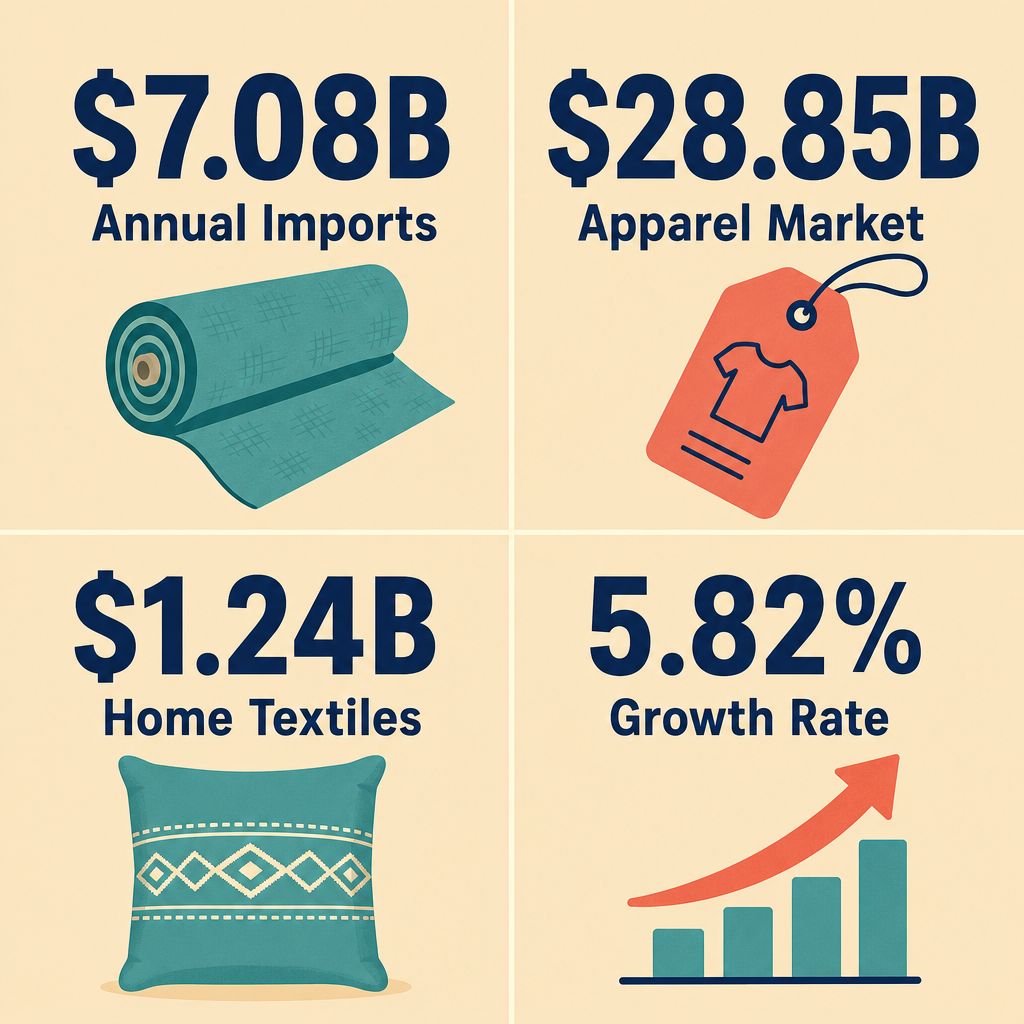
The UAE imports USD 7.08 billion in textiles and apparel annually, while the home textile market alone is projected to reach USD 1.64 billion by 2031. The apparel market sits at USD 28.85 billion in 2025, making sustained retail demand a reliable foundation for new entrants.
Know Exactly What Activity 4751.94 Covers
This activity licenses the retail sale of fabrics, yarns, and finished textile goods directly to consumers through physical stores or online platforms. Importantly, it does not cover the retail sale of finished clothing, which requires a separate classification.
Fabric Retail Serves a Diverse Customer Base
Woven and knitted fabrics sold by the metre or roll can serve tailors, abaya makers, home sewers, and interior design clients. Established clusters like Bur Dubai's Meena Bazaar and the Deira fabric souks demonstrate how deep and consistent this demand already is.
Yarn and Thread Sales Peak Seasonally
Demand for knitting, crochet, and weaving supplies rises sharply ahead of Ramadan, Eid, and wedding season as tailors and hobbyists restock. Running a dedicated yarn retail store lets you capitalise on these predictable seasonal spikes.
Finished Textile Goods Tap the Home Market
Bed linen, bath linen, curtains, upholstery fabrics, and decorative textiles appeal to residents furnishing new homes or refreshing existing interiors. Operating online alongside a physical storefront broadens your reach beyond any single souk or neighbourhood.
Established Retail Clusters Anchor UAE Textile Trade
Bur Dubai's Meena Bazaar, the Deira Textile Souk, Naif Souk, and markets in Sharjah and Abu Dhabi are long-standing hubs with hundreds of shops serving locals, tourists, and small businesses. Positioning your store near or within these clusters gives immediate access to an existing customer flow.
Multiple Business Models Fit This Licence
You can operate as a specialist retailer with a physical store, a cross-border e-commerce seller, or a culturally rooted souk brand targeting residents and tourists alike. The flexibility of the activity classification means your setup can match your target audience and preferred sales channel.
How to Start a Textile Trading Business in Dubai with Meydan Free Zone
Walk into any tailor's shop in Bur Dubai, any fabric souk in Sharjah, or any bridal boutique in Abu Dhabi, and you are standing inside the retail textile economy. Fabrics, yarns and finished textile goods move from global mills through UAE ports, onto shop shelves, and into the hands of residents, tourists and small makers every single day.
Textile retail in the UAE is where international supply meets local demand.
According to Kohan Textile Journal¹, the UAE imports USD 7.08 billion in textiles and apparel every year. According to Mordor Intelligence², the UAE home textile market alone reached USD 1.24 billion in 2026 and is projected to grow to USD 1.64 billion by 2031 at a 5.82 percent compound annual rate.
According to Fortune Business Insights³, the UAE apparel market sits at USD 28.85 billion in 2025, making it the fourth-largest apparel market in the Middle East and Africa region, and anchoring continuous retail demand for fabrics, yarns and finished textile goods across tailors, home sewers and interior buyers.
This business activity addresses the retail demand for textiles across fabrics, yarns and finished textile goods sold directly to consumers.
Who is this for?
4751.94 - Textile Trading
Under this activity, you can run a specialised retail business selling textiles directly to consumers in the UAE. You can operate through a physical store, an online platform or both, serving residents, tourists, tailors and small businesses across the Emirates.
There's one boundary to note. This activity does not cover the retail sale of clothing, which falls under a separate activity classification.
In short: if you are selling textiles directly to consumers from a specialised store or online platform, this is your activity. If you are selling finished clothing, that falls under a separate scope.
Planning to set up your business in Dubai? Explore our comprehensive guide on Setup False Ceiling Trading Business in Dubai UAE, covering licensing requirements, costs, approvals, and the step-by-step business setup process.
Third-Party Approval
No third-party approval is required for this business activity.
Anti-Money Laundering Compliance
This business activity is exempt from AML compliance requirements.
References
- ¹ Kohan Textile Journal, UAE Textile Market Overview, 2025. https://kohantextilejournal.com
- ² Mordor Intelligence, UAE Home Textile Market Size, Share & Industry Analysis, 2026. https://www.mordorintelligence.com/industry-reports/uae-home-textiles-market
- ³ Fortune Business Insights, Apparel Market Size, Share, Future Trends & Forecast, 2034. https://www.fortunebusinessinsights.com/apparel-market-110718