Table of Contents
Frequently Asked Questions
What does activity code 7730.80 cover in Dubai
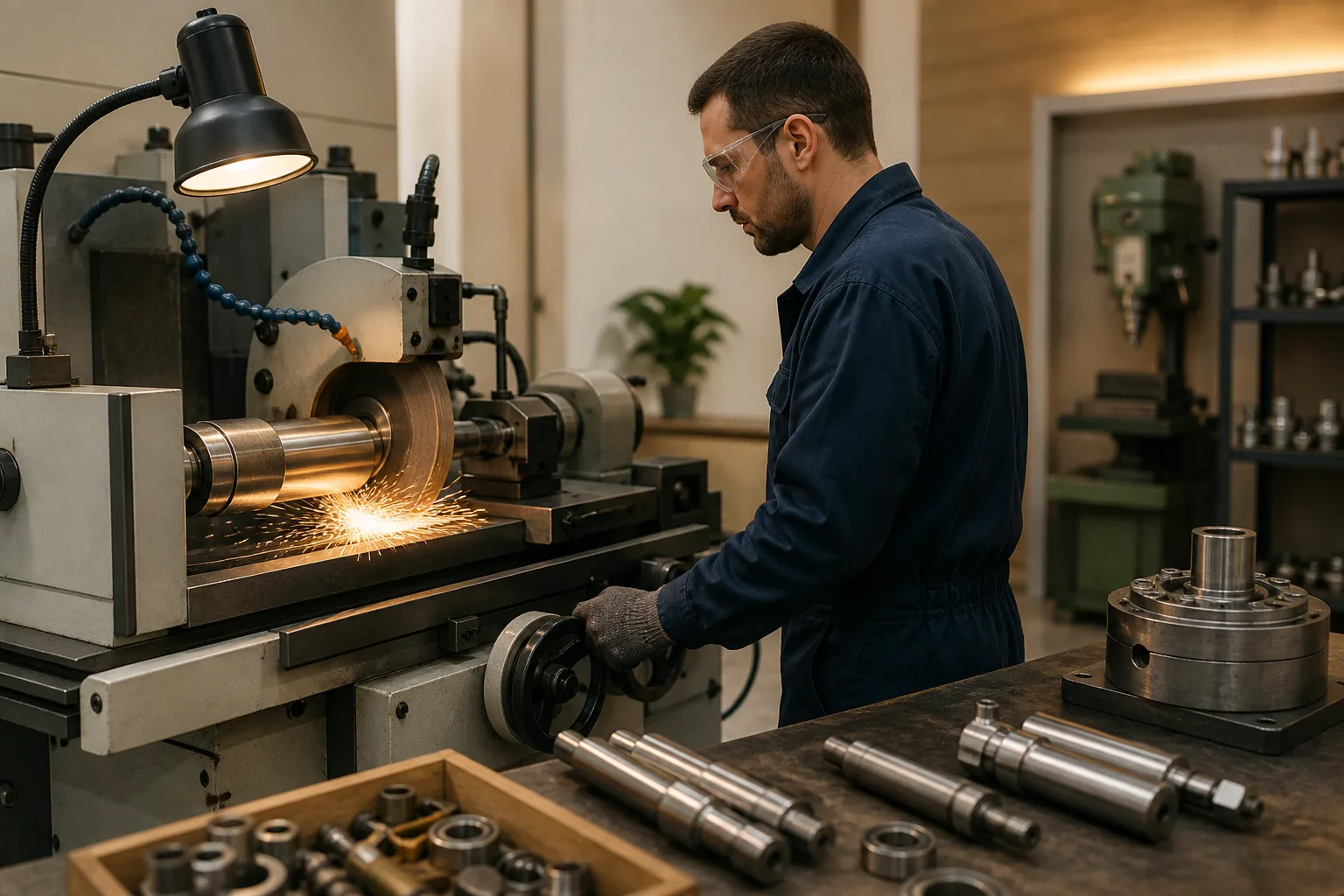
Activity code 7730.80 permits the rental and leasing of machinery used in converting industries. This includes paper and film slitters, laminators, foil rewinders, die-cutters, packaging line machinery, and related processing equipment used across the converting supply chain.
The activity is strictly a rental and leasing model — no sale of goods is involved. This keeps the operational and VAT structure straightforward, and revenue is generated through short-term and long-term equipment hire agreements with industrial clients.
Who are the typical customers for a converting equipment rental business in Dubai
The primary customer base includes FMCG manufacturers, flexible packaging producers, corrugated board plants, and industrial converters operating across Dubai and the wider UAE. Print houses and industrial processors also fall within the target market.
These are established businesses with formal procurement processes. Rental agreements in this segment tend to be contract-driven and repeatable, which supports predictable revenue and longer client relationships compared to transactional equipment hire.
Should I set up on the mainland or in a free zone for this business
Both options are commercially viable. A mainland licence via the Dubai Department of Economy and Tourism (DET) allows direct contracts with UAE-based industrial clients without agent restrictions, which is important when dealing with plant managers and procurement teams in B2B equipment rental.
A free zone licence — particularly through Meydan Free Zone — offers 100% foreign ownership, no paid-up capital requirement, and faster incorporation. This suits founders running an asset-light model where equipment is sourced and deployed on demand rather than held in permanent stock.
The deciding factor is often your client base. If your customers are predominantly UAE mainland businesses, a mainland licence removes friction from contracting and invoicing.
What are the core steps to obtain a licence for this activity
The licence setup process is consistent across both mainland and free zone jurisdictions. The key steps are:
- Trade name reservation
- Activity selection under code 7730.80
- Memorandum of Association drafting
- Office space or flexi-desk arrangement
- Licence issuance
- Corporate bank account opening
Mainland applications are processed through the DED e-Services portal. If you plan to store heavy converting machinery, physical warehouse or yard space is also required — Jebel Ali or Al Quoz industrial zones are practical choices given their logistics infrastructure and proximity to industrial clients.
When is VAT registration required and how does it apply to equipment rental income
VAT registration is mandatory once your taxable turnover exceeds AED 375,000. Registration is handled directly through the Federal Tax Authority.
Equipment rental income is treated as a standard taxable supply at the UAE VAT rate of 5%. Because this business model involves no sale of goods — only rental and leasing — the VAT treatment is relatively clean and straightforward to administer compared to mixed supply models.
What Emiratisation obligations apply to this type of business
If you hire staff, Emiratisation obligations apply and are governed by the Ministry of Human Resources and Emiratisation (MOHRE). Emiratisation quotas scale with headcount, so the size of your workforce directly affects your compliance requirements.
It is advisable to understand your quota obligations before finalising your hiring plan, as non-compliance carries financial penalties. Employment contracts for all staff must also meet MOHRE standards regardless of the employee's nationality.
How are import duties and customs handled when sourcing machinery internationally
If you are sourcing converting machinery from outside the UAE, customs clearance and import duties apply. The process for goods moving through Dubai's ports and free zones is governed by the Ports, Customs and Free Zone Corporation (PCFC).
Businesses operating within a free zone may benefit from duty deferral or exemption on equipment held within the zone, provided the machinery is not transferred to the UAE mainland. Factor customs lead times and duty costs into your equipment acquisition and pricing model from the outset.
What is the market opportunity for converting equipment rental in Dubai
The UAE equipment rental market is projected to grow at a CAGR of over 5% through 2028 according to IMARC Group, while Dubai's industrial sector contributes approximately 14% of the emirate's GDP according to the Dubai Statistics Center.
Despite this scale, the converting industries segment — covering paper, film, foil, laminating, and packaging machinery — receives far less attention than construction equipment rental. This creates a commercially sound gap for founders willing to focus on specialist industrial equipment rather than competing in the more crowded general construction hire market.
Start a Converting Industries Equipment & Machinery Rental Business in Dubai
Dubai makes things. Packaging plants, print houses and food factories run lines of specialist machinery, and that kit does not always have to be bought outright. Renting it out is a quiet corner of the market that most founders walk straight past on their way to construction hire.
This guide covers what activity code 7730.80 lets you do, where to license it, what the rules ask of you, and how to set up without wasting time. It is a clean business to run. You rent, you never sell, so the paperwork stays light.
Key Stats at a Glance
| Activity code | 7730.80 |
|---|---|
| What it covers | Rental and leasing of machinery used in converting industries |
| Machines included | Paper and film slitters, laminators, foil rewinders, die-cutters and packaging line machinery |
| Sale of goods | None, this is rental and leasing only |
| Market growth | UAE equipment rental market set to grow at a CAGR of over 5% through 2028 – IMARC Group |
| Dubai industry | Industrial sector contributes about 14% of the emirate's GDP – Dubai Statistics Center |
| Foreign ownership | 100% in Meydan Free Zone, and since 2021 in most mainland commercial activities – Ministry of Economy and Tourism, Establishing companies |
| VAT | 5% on rental income, registration at AED 375,000 taxable turnover a year – Federal Tax Authority |
| Customs on imports | Handled by the Ports, Customs and Free Zone Corporation |
What This License Covers

Activity code 7730.80 lets you rent and lease the machinery used in converting industries. In practice that means paper and film slitters, laminators, foil rewinders, die-cutters, packaging line machinery and the related processing kit that sits across the converting supply chain.
You rent, you do not sell. That one line shapes the whole business. A pure rental and leasing model keeps your VAT treatment clean and your books simple, and your money comes from short-term and long-term hire agreements rather than from moving stock in and out.
Who Your Clients Will Be
Your buyers sit inside factories, not offices. They fall into four groups:
- FMCG manufacturers
- Flexible packaging producers
- Corrugated board plants
- Print houses and other industrial converters
These are settled businesses with buying teams and formal paperwork. Nobody hires a laminator on a phone call. Agreements here get written down, they get renewed, and they repeat, which gives you income you can plan around instead of chasing. Win one plant and the second order usually comes without a pitch.
Mainland or Free Zone
| Factor | Mainland (DET) | Free Zone (Meydan Free Zone) |
|---|---|---|
| Who you sell to | Open UAE market | UAE and international clients |
| Foreign ownership | 100% in most commercial activities since 2021 | 100% yours |
| Signing with plant teams | Direct, with no agent restrictions | Direct, best suited to an on-demand fleet |
| Paid-up capital | Set by DET rules for the activity | None asked for |
| Setup route | Apply through DET | Apply online, remote setup possible |
A free zone license suits an asset-light operation, where you source a machine and put it to work as the orders come in. A mainland license from the Department of Economy and Tourism makes more sense if your buyers are UAE industrial firms and you want to sign with them directly. This is the biggest choice you will make when setting up. Let your clients decide it, not the price.
[blockCTACostCalculator]
Step by Step Setup Guide
- Step 1, book your trade name: Use the DET portal for a mainland company, or the Meydan Free Zone portal for a free zone one.
- Step 2, pick your activity code: Confirm that 7730.80 is approved in the jurisdiction you have chosen before you go any further.
- Step 3, draft your Memorandum of Association: This sets out who owns the company and how it is run. It is a standard document at this stage.
- Step 4, sort your workspace: An office or a flexi-desk covers the license. Heavy converting machines need a yard or a warehouse on top, and Al Quoz Industrial Area and Dubai Industrial City put you close to the plants you serve.
- Step 5, get the license and open a bank account: The license comes first, then the bank. Give yourself time on the banking, because corporate onboarding is rarely quick.
Compliance and What You Need in Place
VAT
Register with the Federal Tax Authority once your taxable turnover passes AED 375,000 a year. Rental income is a standard taxable supply at 5%. Keep clean books from your first invoice and renewal season stops being stressful.
Staff
Hire anyone in the UAE and MOHRE rules apply from the first person on the payroll. That means proper contracts and Emiratisation duties that grow with your headcount, so work out where you land before you finalise a hiring plan.
Customs on imported machines
Buying a slitter from Europe or Asia means customs clearance and import duty. The Ports, Customs and Free Zone Corporation runs this for goods moving through Dubai's ports and free zones. A company inside a free zone may get duty deferred or waived on machines held in the zone, as long as they are not moved onto the mainland. Build lead times and duty into your pricing early.
Contracts
Write proper agreements. Cover maintenance, liability, the condition of the machine when it goes out and comes back, and how it is returned. Arguments about condition are the most common flashpoint in this trade, and a clear clause settles them before they start.
Money
Converting machines are expensive. Most operators lease or finance their first fleet rather than buy it outright, and that decision belongs in your model from day one rather than after the first big order lands. Work out what a machine has to earn each month before it pays for itself.
Market Opportunity
The UAE equipment rental market is set to grow at a CAGR of over 5% through 2028, according to IMARC Group, and Dubai's industrial sector already contributes about 14% of the emirate's GDP, according to the Dubai Statistics Center. There is a real base of factories here, it is getting bigger, and the machines inside them wear out and get replaced on a cycle you can plan around.
What makes the converting segment interesting is how little attention it gets. Paper, film, foil, laminating and packaging machinery sits well outside the crowded market for construction hire, so a founder who knows this kit is competing against far fewer people for the same industrial clients. The Invest in Dubai portal carries sector guidance and incentives worth a look before you settle on a structure.
Conclusion
Converting equipment rental is a niche business with real demand behind it. The license is clear, the rules are few, and both mainland and free zone routes work depending on who your clients are.
Three things decide how well it goes: the price you pay for your first machines, the contracts you write around them, and how quickly you can move kit to a client who needs it. Sort those and the rest is routine.
[blockCTAContact]