
Table of Contents
Frequently Asked Questions
What does activity code 7730.79 cover in Dubai
Activity code 7730.79 — Telecommunications Equipment Rental covers the rental and leasing of hardware used in communications infrastructure. This includes routers, network switches, base stations, satellite dishes, fibre optic testing tools, and associated telecommunications hardware.
It is important to understand that this licence covers renting equipment only — it does not authorise you to operate a telecom network or resell internet or connectivity services. That distinction is significant both commercially and from a TDRA compliance standpoint.
Who are the typical customers for a telecommunications equipment rental business in Dubai
The customer base is broader than many new operators expect. Natural clients include:
- Construction contractors needing temporary site communications
- Event organisers requiring broadcast or connectivity infrastructure
- Oil and gas operators on remote or temporary sites
- Broadcasters covering live events
- Temporary project offices requiring short-term network hardware
Demand is largely project-driven and recurring, which supports a stable revenue model once initial client relationships are established.
Do I need to own physical equipment inventory before setting up this business
No. You are not required to hold physical inventory at the point of incorporation. Asset-light models — where equipment is procured or sub-leased against confirmed client contracts — are commercially viable under this activity.
This approach significantly reduces upfront capital exposure and is a practical way for founders to test the market before committing to large hardware purchases. It is worth structuring supplier relationships and sub-lease agreements carefully to protect margins and delivery reliability.
What is the difference between a mainland and a free zone licence for this activity
A mainland licence issued through the Dubai Department of Economy and Tourism allows direct contracting with UAE government entities, semi-government bodies, and local corporates. If your target market includes large telecom rental tenders or infrastructure project contracts, mainland access may be commercially necessary — though setup costs and timelines are typically higher.
A free zone licence suits operators who are import-focused, internationally oriented, or running leaner initial operations. Free zone companies serving mainland clients directly will generally need either a commercial agent arrangement or a dual-licence structure, which should be factored into your cost model early.
Regardless of jurisdiction chosen, TDRA oversight applies to any commercial activity touching telecommunications infrastructure in the UAE.
Why is Meydan Free Zone recommended for telecommunications equipment rental
Activity 7730.79 is permissible under Meydan Free Zone's commercial licence category. The zone offers several practical advantages for founders structuring lean initial operations, including no minimum share capital requirement and support for remote setup.
Meydan also includes visa packages within its licence structures, which is useful for operators who need to bring in staff or establish residency. For an operator importing and renting equipment to UAE-based project sites, it provides a cost-efficient entry point with room to scale as the business grows.
Does foreign ownership apply to a telecommunications equipment rental business in Dubai
Yes. 100% foreign ownership is available for this type of business activity, either through a free zone licence or via the mainland under the UAE Commercial Companies Law. This makes Dubai an accessible market for international entrepreneurs and investors without the need for a local Emirati partner.
The specific ownership structure and any associated conditions will depend on the jurisdiction you choose and the precise nature of your operations, so it is advisable to confirm the details during the licence application process.
Does VAT apply to telecommunications equipment rental transactions in Dubai
Yes. VAT at 5% applies to equipment rental transactions in the UAE. VAT registration becomes mandatory once your annual taxable turnover exceeds AED 375,000, as set by the Federal Tax Authority (FTA).
Businesses operating below this threshold may still choose to register voluntarily. It is important to factor VAT compliance — including invoicing, filing, and record-keeping obligations — into your operational setup from the outset to avoid penalties.
Which regulatory body oversees telecommunications equipment rental activity in the UAE
The Telecommunications and Digital Regulatory Authority (TDRA) regulates all telecom-related commercial activity in the UAE. This oversight applies regardless of whether your business is licensed on the mainland or within a free zone.
While activity code 7730.79 covers equipment rental rather than network operation, any commercial activity touching telecommunications infrastructure falls within TDRA's remit. Ensuring your licence scope is correctly defined and that you are not inadvertently operating outside its boundaries is an important compliance consideration from day one.
Telecommunications Equipment Rental Business Setup in Dubai
A construction site needs a network for eighteen months, not forever. A broadcaster needs satellite kit for one week. An oil and gas crew needs communications on a remote site until the job ends. None of them wants to buy the hardware.
That is the market activity code 7730.79 serves. This guide covers what the code lets you rent out, what it does not allow, who your customers are, how mainland and free zone setup compare, the steps to get licensed, and the import rules that catch people out.
Key Stats at a Glance
| Activity code | 7730.79 |
|---|---|
| Activity name | Telecommunications Equipment Rental |
| What it covers | Rental and leasing of communications hardware, not network operation |
| Main regulator | Telecommunications and Digital Government Regulatory Authority (TDRA) |
| Extra license | No separate TDRA license for pure equipment rental |
| Setup time | 3 to 7 working days in a free zone, 2 to 4 weeks on the mainland |
| Paid-up capital | None in Meydan Free Zone |
| Customs duty | Typically 5% on imported telecom hardware |
| VAT | 5% on rental income, registration a must above AED 375,000 – Federal Tax Authority |
| Market outlook | UAE telecom market set to pass USD 8 billion by 2027 – Mordor Intelligence |

What This License Covers
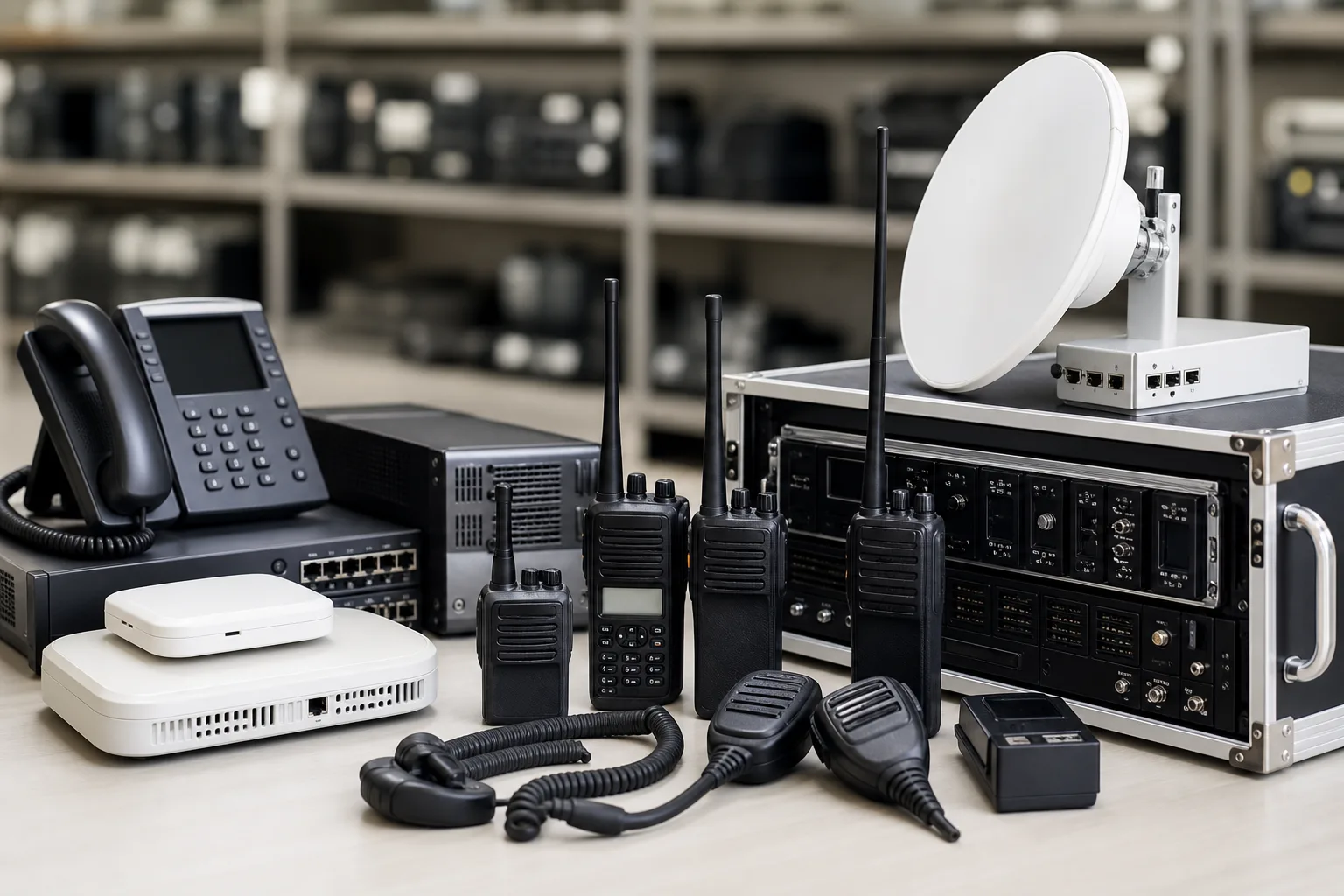
Code 7730.79 covers renting and leasing the hardware that communications run on. Routers, network switches, base stations, satellite dishes, fibre optic testing tools and related kit.
The line to hold in your head is this: you rent equipment, you do not provide a service over it. The license does not let you operate a telecom network or resell connectivity.
That matters commercially, and it matters to TDRA.
One useful feature of this activity is that you do not need to own stock on day one. Asset-light models work here, where you buy or sub-lease kit against a contract you have already signed.
That cuts your upfront risk a lot and lets you test the market before you commit capital to hardware.
Just structure your supplier and sub-lease agreements properly, because your margin and your delivery reliability both sit inside them.
Who Your Customers Will Be
The customer list is wider than most new operators expect:
- Construction contractors needing site communications for the length of a build
- Event organisers needing broadcast or connectivity kit
- Oil and gas operators on remote or temporary sites
- Broadcasters covering live events
- Temporary project offices needing network hardware for a few months
What these have in common is that the need is real, time-bound and repeating. Demand is project-driven, which sounds unstable and is not, because projects keep starting.
Once you have a relationship with a contractor or an events firm, the same customer comes back on the next job.
Pricing follows the deployment. Short event hires carry a higher daily rate. Long project deployments run at a lower rate over more months, and they are worth more overall.
Mainland or Free Zone
| Factor | Mainland (DET) | Free Zone (Meydan Free Zone) |
|---|---|---|
| Who you can sign | Government, semi-government and local corporates, direct | Import-led and international clients |
| Serving mainland clients | No limits | May need a commercial agent or dual license |
| Setup time | 2 to 4 weeks | 3 to 7 working days |
| Paid-up capital | Set by DET rules for the activity | None |
| Address | Physical office with Ejari registration | Flexi-desk accepted |
When you need mainland
A mainland license from the Dubai Department of Economy and Tourism (DET) lets you contract directly with UAE government entities, semi-government bodies and local corporates.
If you are bidding for large rental tenders or infrastructure project contracts, that access is necessary rather than nice. You pay for it in setup cost and time.
When a free zone fits better
A Meydan Free Zone license suits an import-led or internationally focused operation, or a lean start. No paid-up capital, remote setup, and visa packages inside the license structure.
Free zone companies serving mainland clients directly usually need a commercial agent arrangement or a dual license, so put that in your cost model early rather than discovering it later.
TDRA oversight applies either way. Where you set up does not change that.
[blockCTACostCalculator]
Step by Step Setup Guide
- Step 1, pick mainland or free zone: Then confirm code 7730.79 is listed on your license application form before anything else.
- Step 2, book your trade name: Through the DET portal for a mainland company, or the Meydan Free Zone portal for a free zone one.
- Step 3, send in your setup documents: Passport copies, an NOC where that applies, and a business plan if your activity category calls for one.
- Step 4, get initial approval: No separate TDRA license is needed for pure equipment rental. Check with TDRA if your scope ever widens towards operating a network.
- Step 5, sort your business address: A flexi-desk covers a free zone company. Mainland needs a physical office with Ejari registration.
- Step 6, pay the fees and collect the license: Allow 3 to 7 working days in a free zone, or 2 to 4 weeks on the mainland.
- Step 7, open a bank account and handle VAT: Register with the Federal Tax Authority once turnover passes AED 375,000 a year.
- Step 8, apply for investor and staff visas: Staff hiring runs through the Ministry of Human Resources and Emiratisation, and your visa quota follows your office space and license type.
Compliance and What You Need in Place
TDRA type approval
This is the one that catches people. Telecom equipment imported into the UAE needs TDRA type approval, and each device category has to be checked before it ships.
Unapproved hardware means customs problems and liability you do not want. Check the current approved device register before you buy anything for your rental fleet.
Customs duty
Imported telecom hardware typically carries 5% duty. Build that into your pricing from the first quote, because it moves your margin on both short hires and long deployments. The Ports, Customs and Free Zone Corporation handles customs and port procedures.
Rental contracts
Write them properly. Set out who carries liability, who keeps the kit serviced, what condition it comes back in, and what happens when it is damaged. Site deals agreed verbally turn into disputes that are very hard to settle, and the equipment is usually still on site while you argue.
VAT
VAT at 5% applies to rental income. Keep clean records from your first transaction, because reconciling backwards costs both money and time.
License renewal
Renew every year. Missing it brings financial penalties and puts your employees' visas at risk, which is a much bigger problem than the fine.
Market Opportunity
The UAE telecom market is projected to pass USD 8 billion by 2027. That growth is not abstract for a rental business.
Smart city rollouts, 5G expansion and infrastructure projects all need hardware on site temporarily, and temporary is exactly what renting is for.
The rental model also matches how buyers think about this kit. Communications hardware dates quickly, and no contractor wants to own equipment that will be a generation behind by the next project.
Renting moves that risk to you, and you price for it.
Events add a second, faster-moving layer of demand on top. Dubai hosts a heavy calendar of exhibitions, conferences and live broadcasts, all needing connectivity for days rather than years.
Conclusion
Telecommunications equipment rental under 7730.79 is a workable business with a low entry point, because you can start against contracts rather than against stock.
Two things decide whether it runs smoothly. TDRA type approval on everything you import, and rental contracts that say who is responsible for what.
Both are simple to get right at the start and expensive to fix later.
Choose mainland or free zone based on who you want to invoice, not on the setup fee. Get that decision right and the rest follows.
[blockCTAContact]
References
- Mordor Intelligence
- Telecommunications and Digital Government Regulatory Authority
- Federal Tax Authority
- Dubai Department of Economy and Tourism
- Ports, Customs and Free Zone Corporation
- Ministry of Human Resources and Emiratisation