
Table of Contents
Frequently Asked Questions
What is activity code 9100 and what types of businesses does it cover in Dubai
Activity code 9100 covers Libraries, Archives, Museums and Other Cultural Activities. It is a broad classification designed to accommodate a wide range of cultural and heritage businesses under a single licence.
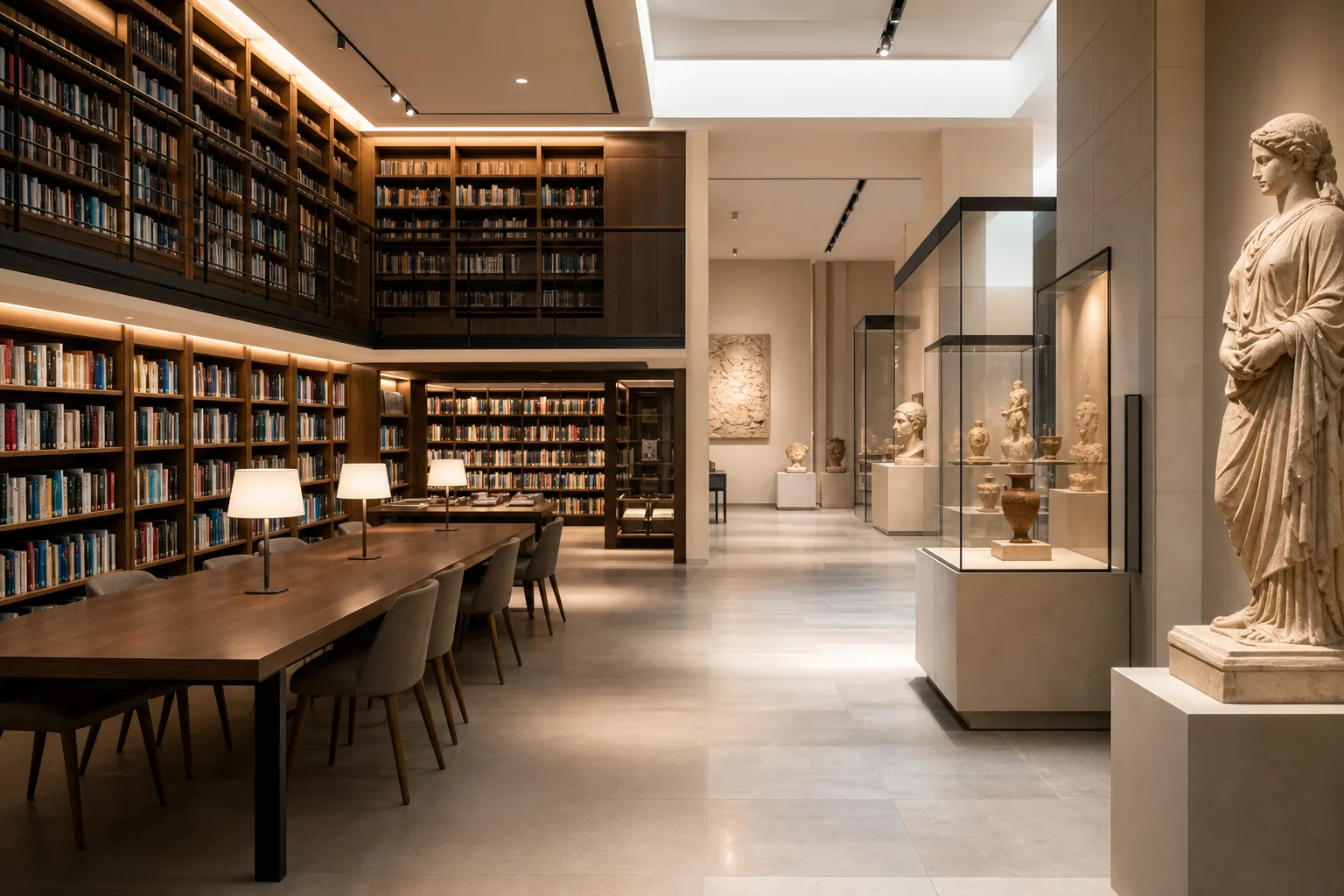
Permitted operations include the running of libraries and reading rooms, archival and records services, museum operations, historical site management, botanical gardens, zoos, exhibition design, educational programming, guided tours, and digital content delivery.
Because the code is intentionally wide, a single entity can operate several complementary cultural activities without needing separate licences for each, which simplifies the commercial structure for operators.
Who regulates cultural businesses in Dubai
The primary regulatory body for cultural operators in Dubai is the Dubai Culture and Arts Authority. It oversees licensing and compliance for all cultural operators, funds qualifying initiatives, and sets operational standards across the sector.
Policy direction at a national level is also shaped by the UAE's broader economic agenda, including the UAE Centennial 2071 plan, which identifies the creative and cultural economy as a strategic pillar with measurable GDP contribution targets.
The Department of Economy and Tourism plays an additional role by actively promoting museum districts, heritage trails, and cultural events as part of Dubai's destination strategy.
Can a foreign national own 100% of a cultural business in Dubai
Yes. 100% foreign ownership is available to cultural businesses that incorporate within a UAE free zone, such as Meydan Free Zone. This is a significant advantage for international entrepreneurs and investors entering the Dubai cultural market.
Free zone incorporation removes the traditional requirement for a local Emirati partner to hold a majority stake, giving foreign founders full control over their business structure, profits, and strategic direction.
It is worth noting that free zone companies wishing to operate directly on the Dubai mainland may require additional approvals or a separate mainland licence, depending on the nature of their activities.
What revenue models are available to a library or museum business in Dubai
Revenue models for activity code 9100 businesses are varied. The most conventional streams are admission fees and membership programmes, which provide predictable recurring income.
Corporate partnerships with banks, real estate developers, and hospitality groups represent a growing income stream, as these organisations seek cultural association for brand positioning purposes. Grant funding from the Dubai Culture and Arts Authority is also available for qualifying projects.
Digital models — including subscription-based archival platforms and virtual exhibitions — are increasingly viable. Hybrid venues that combine a museum or library function with a café, retail space, or event hire can significantly improve unit economics on a single site, and this model has demonstrated commercial traction in Dubai.
Who are the main customer segments for a cultural business in Dubai
Customer segments for cultural businesses in Dubai are diverse. International and domestic tourists form a substantial base — Dubai welcomed over 17 million international visitors in 2023, with cultural and heritage tourism representing a growing share of that traffic.
School and university groups are a reliable segment for educational programming, guided tours, and workshop-based activities. Corporate clients commission private exhibitions, archival services, and branded cultural events.
Government bodies requiring records management, and researchers accessing specialist collections, round out the customer base. Private museums focused on niche subjects such as Islamic art, natural history, or regional heritage have found commercial traction in areas where public institutions have left gaps.
What is the size and growth outlook for Dubai's museum sector
The UAE's museum sector currently includes over 60 registered museums, and significant private sector growth is anticipated through 2030. This reflects both government investment in cultural infrastructure and rising demand from the tourism and education sectors.
The UAE's national economic diversification agenda explicitly identifies cultural and creative industries as a defined pillar, with targets tied to cultural tourism's contribution to GDP. The UAE Centennial 2071 plan reinforces this long-term commitment.
Private investment in cultural infrastructure — from specialist galleries to digital archives — is being actively encouraged alongside public development, creating a supportive environment for new commercial entrants.
What is the advantage of using Meydan Free Zone to licence a cultural business
Meydan Free Zone is one of the UAE free zones through which activity code 9100 businesses can be incorporated. Incorporating via a free zone provides 100% foreign ownership, removing the need for a local Emirati partner.
Free zone entities typically benefit from streamlined incorporation processes, no personal income tax, and the ability to repatriate profits in full. For cultural businesses, this structure provides commercial flexibility while still allowing the operator to serve clients across Dubai and the wider UAE.
The free zone route is particularly well suited to businesses with an international ownership structure or those planning to attract foreign investment into their cultural projects.
How does Dubai's tourism performance support demand for cultural businesses
Dubai recorded over 17 million international visitors in 2023, according to the Department of Economy and Tourism. Cultural and heritage tourism is forming an increasing share of that visitor traffic, driven by deliberate destination strategy.
The Department of Economy and Tourism actively promotes museum districts, heritage trails, and cultural events as core components of Dubai's tourism offer. This institutional support creates a ready pipeline of visitors for well-positioned cultural businesses.
The convergence of high visitor volumes, government promotion of cultural tourism, and a growing resident population with demand for educational and leisure cultural experiences makes Dubai a commercially attractive environment for new library, archive, and museum ventures.
How to Open a Library and Museum Business in Dubai
Dubai's cultural industry is growing fast. Libraries and museums are now a licensed business activity with real commercial demand behind them. The government is investing heavily in culture, and private operators are finding a market alongside public institutions.
This guide covers the license codes, setup steps, and rules you need to open a library or museum business in Dubai. It is written for founders who want facts, not a sales pitch.
Key Stats at a Glance
| Jurisdiction options | Mainland (DET) or Meydan Free Zone |
|---|---|
| Foreign ownership | 100% in free zone; 100% permitted on mainland – Invest in Dubai |
| Key approval body | Dubai Culture and Arts Authority |
| VAT threshold | AED 375,000 annual turnover |
| License renewal | Annual |
What the License Covers

Dubai issues specific activity codes for libraries, museums, and cultural exhibitions. The code you choose sets the boundaries of what you can legally do. Getting this right at the start saves a lot of trouble later.
Permitted activities under these codes typically include public access to collections, managing and preserving items, and running educational programmes. Some codes also allow temporary exhibitions and community events.
There is a practical difference between the 3 main venue types:
- A standalone library holds books, digital media, and reference materials for public or member access
- A museum displays physical or digital collections, often with curatorial and research functions
- A combined cultural venue does both, and needs a code that covers both activities
The Dubai Culture and Arts Authority oversees all cultural venues. It sets content standards and inspects premises. You will need its approval before you open, whatever your jurisdiction.
Check the Meydan Free Zone business activities list to confirm which codes apply to your specific model before you commit to a structure.
Mainland or Free Zone
This is the biggest choice you will make when setting up. Let your client base and funding model decide it, not the price alone.
| Factor | Mainland (DET) | Free Zone (Meydan Free Zone) |
|---|---|---|
| Client access | Government bodies, schools, public institutions | Mainly private clients and international partners |
| Ownership | 100% foreign ownership permitted | 100% foreign ownership |
| Office rules | Physical premises required | Flexi-desk options available for some activities |
| Setup cost | Higher overall | Lower starting cost |
| Best for | Public access venues, government contracts | Private collections, specialist or niche venues |
A mainland license from DET lets you work directly with UAE government bodies, schools, and public institutions. This matters if you plan to bid for government-funded cultural projects or supply services to public libraries.
Meydan Free Zone suits founders running private or specialist collections. Setup costs are lower. You get 100% ownership and a simpler process. It works well for boutique museums, private reading rooms, or digital archive businesses.
Physical space rules differ between the two. A mainland venue will need premises that meet DET and Dubai Culture and Arts Authority standards. A free zone setup has more flexibility at the start, but a public-facing venue will still need approved premises.
Free Business Setup Cost Calculator
Calculate NowHow to Set Up Step by Step
The process has 5 clear stages. Do them in order. Skipping ahead creates delays.
- Step 1, book your trade name: Use the DET portal for mainland or the Meydan Free Zone portal for a free zone company.
- Step 2, confirm your activity code: Check the code covers libraries, museums, or both, before you go further.
- Step 3, get initial approval: Submit your application to DET or Meydan Free Zone and wait for the approval letter.
- Step 4, secure premises: Find a space that meets size, safety, and accessibility rules for your venue type.
- Step 5, get cultural authority approval: Submit your venue plan to the Dubai Culture and Arts Authority for sign-off.
- Step 6, register staff and get your license: Complete visa applications, register employees, and collect your trade license.
If you are running a combined library and museum, confirm with both DET and the Dubai Culture and Arts Authority that your single code covers all planned activities. Some operators need 2 codes.
You can also start a business remotely through Meydan Free Zone if you are not yet based in the UAE. The process works online for most steps.
Compliance and Ongoing Rules
Running a library or museum in Dubai comes with real duties. These do not stop after you open.
Content and collections
All materials on display or available to the public must meet UAE cultural guidelines. The Dubai Culture and Arts Authority sets these. Books, artworks, and digital content are all in scope.
Annual renewal and checks
Your trade license needs renewal every year. The Dubai Culture and Arts Authority may inspect your venue. Keep records of your collection and any changes to your premises.
Staff and Emiratisation
If you hire employees, you must register them with the Ministry of Human Resources and Emiratisation. Emiratisation duties apply once your headcount reaches certain thresholds. Check the current rules before hiring.
VAT duties
If your annual turnover passes AED 375,000, you must register for VAT with the Federal Tax Authority. Cultural activities may attract exemptions, but check your specific codes with a tax adviser first.
- Keep all collection records up to date
- Renew your trade license before it expires
- Report any change in premises or activities to your licensing authority
- Check VAT status annually as turnover grows
Market Opportunity in Dubai
Dubai has set clear targets for cultural tourism and creative industries. These targets are creating real demand for private operators in the library and museum space.
Schools and universities are sourcing specialist library services. Hotels and property developers are commissioning private museums and curated reading rooms as amenity features. Both are paying clients with budgets.
Government funding and partnership options exist for cultural operators. The Dubai Culture and Arts Authority runs grant and support programmes. These are open to licensed businesses, not just public bodies.
Niche collections are growing fastest. Digital archives, rare books, regional art, and science collections all have an audience in Dubai. The city draws collectors, researchers, and tourists who want more than a standard gallery visit.
- Cultural tourism is a stated government priority with investment behind it
- Private schools and hotels are active buyers of library and museum services
- Grant funding is available to licensed cultural operators
- Specialist and niche collections attract both local and international visitors
The market is not crowded yet. Most of the large cultural venues are government-run. Private operators with the right license and a clear focus have room to build a real business here.
Conclusion
Opening a library or museum business in Dubai is workable. You need the right license code, approved premises, and sign-off from the Dubai Culture and Arts Authority. The regulatory path is clear once you know it.
The commercial opportunity is real. Government investment, private school demand, and growing cultural tourism all point in the same direction. Set up correctly and you are well placed to grow.
Ready to Launch Your Business in Dubai?
Let's Connect