
Table of Contents
Frequently Asked Questions
What does activity code 4662.02 cover in Dubai
Activity code 4662.02 covers the Wholesale of Ferrous and Non-Ferrous Metals in Primary Forms. It is a B2B, upstream trading activity focused on base metals before they reach fabrication or finishing stages.
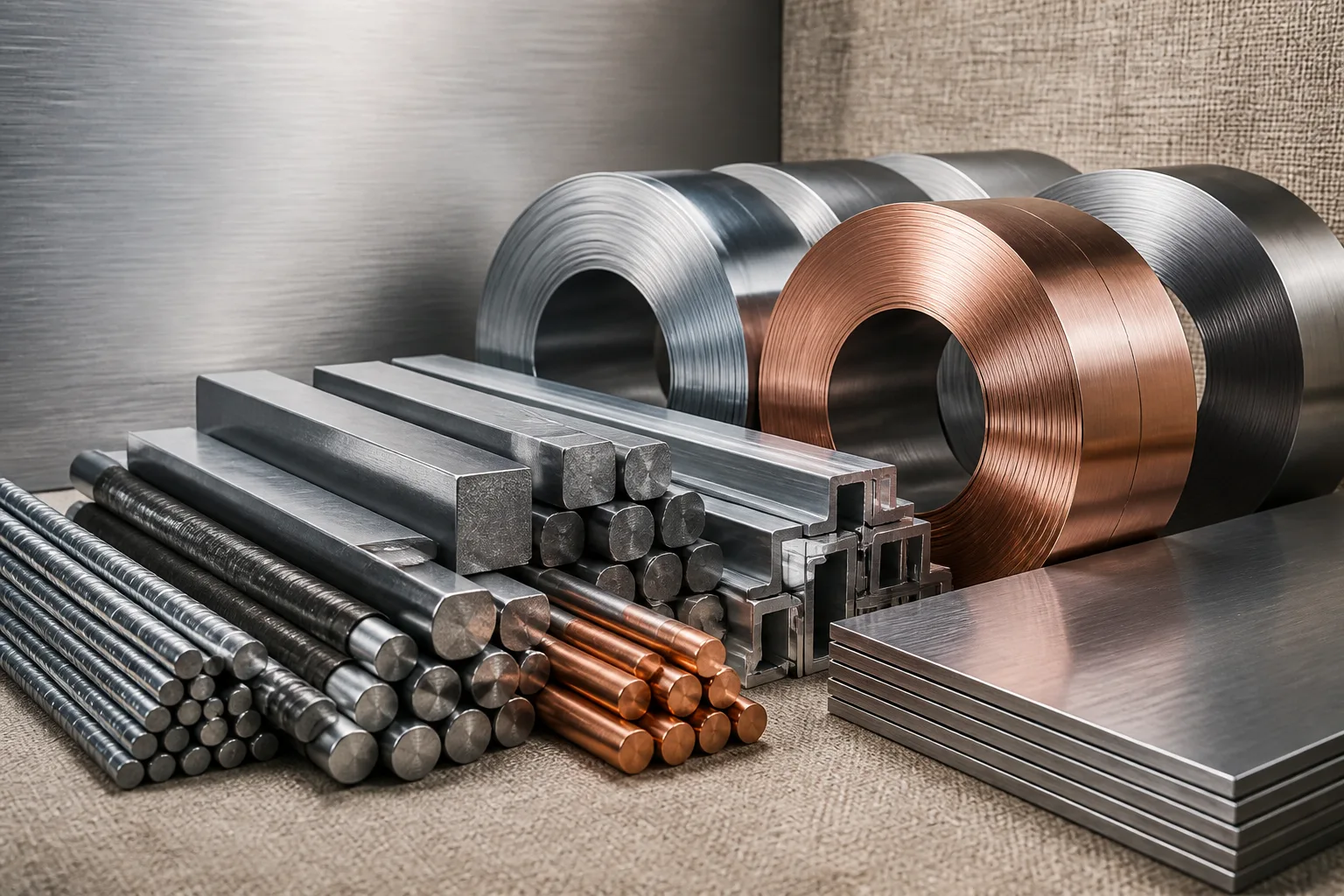
Ferrous metals in scope include steel, iron, and their alloys. Non-ferrous metals include aluminium, copper, zinc, and lead. These are traded in primary forms such as ingots, billets, slabs, coils, rods, and wire rod — not manufactured components or finished goods.
The activity is distinct from retail and manufacturing. Typical customers include construction contractors, metal fabricators, industrial manufacturers, and regional re-exporters sourcing material at scale.
Why is Dubai a strong base for primary metals wholesale
Dubai's position as a re-export hub is structural rather than incidental. Jebel Ali Port and DP World provide highly efficient container and bulk cargo handling, reducing transit times and logistics costs for commodity traders operating across multiple markets simultaneously.
The UAE's proximity to high-growth import markets — East Africa, South Asia, and the wider MENA region — gives Dubai-based metals wholesalers a genuine logistical and cost advantage over competitors based in Europe or North America.
Free zone structures allow 100% foreign ownership and full profit repatriation, both material advantages for international traders. According to Invest in Dubai, the emirate continues to attract commodity and wholesale trading businesses because of this combination of geography, infrastructure, and ownership flexibility.
What are the main revenue models for a primary metals wholesale business
Revenue in primary metals wholesale comes from margin on traded volume, brokerage fees, or a combination of both. The model is straightforward, but execution demands strong working capital discipline.
This is a capital-intensive activity. Letters of credit, trade finance facilities, and extended payment terms are standard practice and should be factored into the financial structure before committing to supplier contracts.
Banks operating in the UAE are familiar with commodity trade finance but require clean corporate structures and clear, auditable trade documentation from the outset.
Do metals wholesalers in Dubai need to own physical storage infrastructure
No. Storage and logistics can be handled through bonded warehouses within free zones or via third-party logistics providers. Neither option requires the trading entity to own physical infrastructure.
This significantly reduces the capital outlay needed to launch the business and allows traders to scale storage capacity in line with actual trade volumes rather than committing to fixed overhead from day one.
What employment compliance obligations apply if staff are hired locally
If you hire staff locally in the UAE, compliance with MOHRE (Ministry of Human Resources and Emiratisation) requirements applies. This includes issuing proper employment contracts, registering with the Wages Protection System (WPS), and meeting any applicable quota obligations.
These requirements are standard across businesses operating in Dubai and should be built into HR planning before the first hire is made.
When does VAT registration become mandatory for a metals wholesale business in the UAE
VAT registration becomes mandatory once a business's taxable turnover exceeds AED 375,000, as set by the Federal Tax Authority.
Given the volume-driven nature of primary metals wholesale, most active trading businesses will cross this threshold relatively quickly. It is advisable to plan for VAT compliance — including invoicing systems and record-keeping — before the threshold is reached rather than after.
What is the outlook for steel and metals demand in the GCC region
The global steel market is projected to grow steadily through 2030, with GCC demand driven primarily by construction and infrastructure activity, according to IMARC Group.
Large-scale government infrastructure programmes across Saudi Arabia, the UAE, and other Gulf states continue to underpin strong regional demand for primary metals. This makes the GCC one of the more predictable and sustained demand environments for wholesale metals traders operating from a Dubai base.
What trade volumes support the case for setting up a metals wholesale business in Dubai
The UAE's non-oil foreign trade consistently exceeds AED 2 trillion annually, with metals and minerals among the top commodity categories by re-export value through Jebel Ali, according to DP World data.
Wholesale trade is also one of Dubai's largest economic sectors by establishment count, as reported by the Dubai Statistics Center. These figures reflect genuine market depth rather than aspirational projections, giving new entrants a realistic picture of the trading environment they are entering.
How to Start a Primary Form Metals Wholesale Business in Dubai
Dubai sits at the centre of one of the world's most active metals trading corridors, connecting producers in Asia, Africa and Europe with buyers across the Gulf, Africa and the Indian subcontinent. The infrastructure is real, the trade volumes are substantial, and the regulatory framework is built for commercial efficiency.
This guide covers what activity code 4662.02 covers, why Dubai is a credible base for primary metals wholesale, and how to license the business through Meydan Free Zone.
Key Stats at a Glance
| Activity code | 4662.02, Wholesale of Ferrous and Non-Ferrous Metals in Primary Forms |
|---|---|
| Ferrous metals | Steel, iron and their alloys |
| Non-ferrous metals | Aluminium, copper, zinc and lead |
| Primary forms | Ingots, billets, slabs, coils, rods and wire rod, not manufactured components or finished goods |
| Trade scale | UAE non-oil foreign trade consistently above AED 2 trillion a year – Invest in Dubai |
| Re-export | Metals and minerals among the top commodity categories by re-export value through Jebel Ali – DP World |
| Market outlook | Global steel market set to grow steadily through 2030, with GCC demand driven by construction and infrastructure – IMARC Group |
| Sector depth | Wholesale trade is one of Dubai's largest economic sectors by establishment count – Dubai Statistics Center |
| VAT | Mandatory once taxable turnover exceeds AED 375,000, domestic supply at 5%, exports generally zero-rated – Federal Tax Authority |
| Sector permit | None needed beyond the trading license |
What This License Covers

Activity code 4662.02, wholesale of ferrous and non-ferrous metals in primary forms, covers the B2B trade of base metals before they reach fabrication or finishing. It is a volume-driven, upstream trading activity.
Ferrous metals in scope include steel, iron and their alloys. Non-ferrous covers aluminium, copper, zinc and lead. The defining characteristic is the form rather than the metal: these are traded as ingots, billets, slabs, coils, rods and wire rod, not as manufactured components or finished goods.
That places the activity at a distance from both retail and manufacturing. You are not making anything and you are not selling to consumers. The model is wholesale and B2B throughout.
Who Your Clients Will Be
The buyers are the people who turn metal into something else, or who move it on to those who do.
- Construction contractors buying against project schedules
- Metal fabricators feeding their own production
- Industrial manufacturers securing input material
- Regional re-exporters sourcing at scale
Revenue comes from margin on traded volume, brokerage fees, or a combination of both. The model is simple to describe and demanding to execute, because it is capital-intensive in a way that catches new entrants out. Letters of credit, trade finance facilities and extended payment terms are all standard here rather than concessions you negotiate, so factor them into your financial structure before you commit to supplier contracts. Banks operating in the UAE are familiar with commodity trade finance, but they want clean corporate structures and clear, auditable trade documentation from the outset.
One thing keeps the entry cost down. Storage and logistics can run through bonded warehouses within free zones or through third-party logistics providers, and neither route needs the trading entity to own physical infrastructure. That cuts the capital needed to launch and lets you scale storage in line with actual trade volumes rather than committing to fixed overhead on day one.
Mainland or Free Zone
| Factor | Mainland (DET) | Free Zone (Meydan Free Zone) |
|---|---|---|
| Who you sell to | Open UAE market | B2B buyers, import and re-export |
| Foreign ownership | Set by DET rules for the activity | 100% yours, with full profit repatriation |
| Paid-up capital | Set by DET | None mandatory for most configurations |
| Storage | Arranged separately | Bonded warehouses or third-party logistics, nothing to own |
| Premises | Set by DET | No office needed to start trading, flexi-desk available |
Let your buyers decide it, not the price. Meydan Free Zone issues wholesale trading licenses covering 4662.02 directly, with 100% foreign ownership, no mandatory paid-up capital for most configurations and no office needed to begin operating. The license type is a trading license with the wholesale metals activity added, and visa eligibility for investor and employee visas attaches to the entity from the point of issuance.
[blockCTACostCalculator]
Step by Step Setup Guide
- Step 1, book your trade name: Check availability before going any further.
- Step 2, select activity 4662.02: Confirm it is correctly listed on your license application.
- Step 3, send in documents and choose your package: Passport copies, the application form and your package selection.
- Step 4, take your license and open a corporate bank account: Apply for investor and employee visas at this stage.
- Step 5, register with the FTA where required: Mandatory once taxable turnover exceeds AED 375,000.
Compliance and What You Need in Place
Customs documentation
All import and export movements need customs declarations under the Ports, Customs and Free Zone Corporation framework, and documentation accuracy is not negotiable. Errors create delays and customs holds, and in a trade where buyers are working to a construction schedule, a held shipment damages the relationship as much as the margin.
Anti-money laundering
Commodity traders carry AML duties under UAE Central Bank guidelines, and metals is a sector regulators monitor carefully. Customer due diligence and transaction monitoring should be embedded in operations from day one rather than retrofitted later when a bank starts asking.
Sanctions screening
This is a practical matter, not a theoretical one. Metals trade intersects with internationally sanctioned jurisdictions and counterparties, so build counterparty screening into your compliance workflow. No special permit is needed for primary metals wholesale beyond the trading license itself, but the duties around the activity are real and enforceable.
VAT and staff
Domestic supply of metals carries 5% VAT and exports are generally zero-rated. Confirm the treatment of your specific trade flows with the Federal Tax Authority or a qualified UAE tax adviser. If you hire staff locally, Ministry of Human Resources and Emiratisation rules apply, covering employment contracts, Wages Protection System registration and any quota duties.
Market Opportunity
The UAE's position as a re-export hub is structural rather than incidental. DP World and Jebel Ali Port provide some of the most efficient container and bulk cargo handling in the world, cutting transit times and logistics costs for traders working several markets at once. UAE non-oil foreign trade has consistently exceeded AED 2 trillion a year, with metals and minerals a significant share of that volume, and wholesale trade is one of Dubai's largest economic sectors by establishment count. Those figures reflect market depth that already exists rather than projections of something hoped for.
Geography does the rest. Proximity to high-growth import markets in East Africa, South Asia and the wider MENA region gives a Dubai-based metals wholesaler a real logistical and cost advantage over competitors operating from Europe or North America. On the demand side, IMARC Group expects the global steel market to grow steadily through 2030 with GCC demand driven by construction and infrastructure, and large government infrastructure programmes across Saudi Arabia, the UAE and other Gulf states keep that demand more predictable than most commodity markets manage.
Conclusion
Wholesaling primary form metals from Dubai is commercially sound. The infrastructure, location and free zone frameworks are competitive in fact rather than in marketing copy, and established commodity traders have operated here on that basis for decades.
The license itself is simple to arrange. The complexity sits in trade finance, banking relationships and compliance architecture, all of which are workable when the corporate structure is set up correctly at the start. Three things decide how well it goes: trade finance arranged before you sign supplier contracts, documentation clean enough for a bank to underwrite, and counterparty screening running from your first order.
[blockCTAContact]
References
- DP World
- Invest in Dubai
- IMARC Group
- Federal Tax Authority
- Dubai Statistics Center
- Ministry of Human Resources and Emiratisation (MOHRE)
- Ports, Customs and Free Zone Corporation
- Central Bank of the UAE