
Table of Contents
Frequently Asked Questions
What does activity code 7120.72 cover in Dubai
Activity code 7120.72 falls under technical testing and analysis — ISIC Division 71 — and specifically covers environmental verification of storage conditions. It is a precision services business, not a product business.
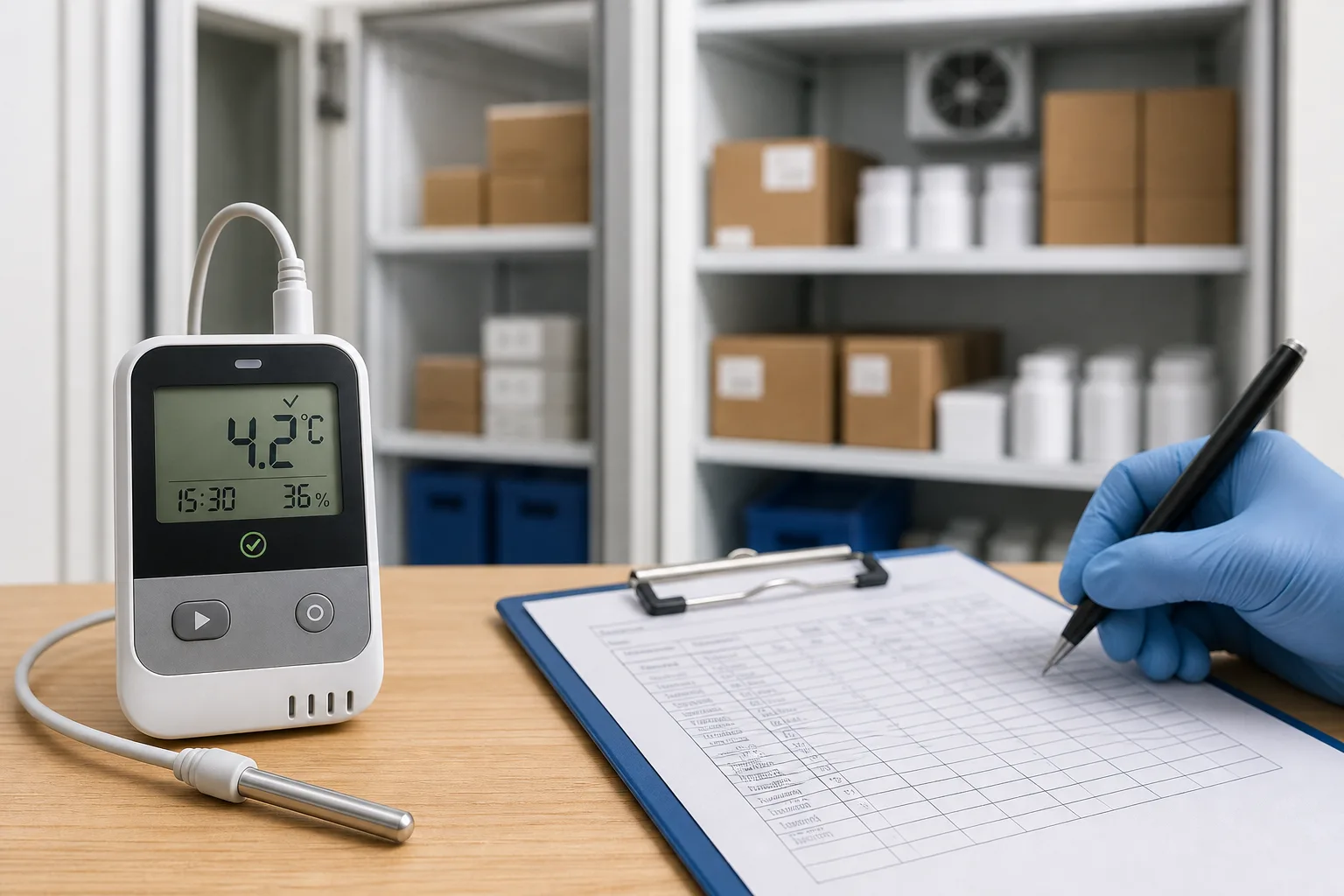
The scope includes temperature mapping, calibration verification, thermal validation, and compliance reporting for warehouses, cold rooms, pharmaceutical stores, and food facilities. Services are delivered on-site, with documentation produced to satisfy regulatory audits or internal quality systems.
Who needs a Storage Environments Temperature Verification Services licence in Dubai
Any business providing temperature verification or thermal validation services for storage environments in Dubai requires this licence. Typical customers include logistics operators, pharmaceutical distributors, food manufacturers, hospitals, blood banks, and free zone warehouse operators.
Many of these clients operate under mandatory compliance frameworks — including MOHAP pharmaceutical storage standards and DHA health facility compliance requirements — making demand for verification services non-discretionary rather than optional.
Should I set up on the mainland or in a free zone for this activity
Mainland licensing through DED allows an unrestricted client base, including government tenders and direct contracts with regulated health facilities such as hospitals. It is the better choice if you intend to pursue public sector or government-linked contracts.
Free zone licensing — for example through Meydan Free Zone — offers 100% foreign ownership, faster setup (typically 3–5 working days), and competitive pricing. However, free zone licences restrict direct mainland trade without a local agent or branch arrangement, which is manageable for businesses primarily serving private sector clients.
What are the steps to obtain a licence for activity code 7120.72 in Dubai
The process follows a clear sequence. First, choose your jurisdiction — mainland (DED) or a free zone such as Meydan Free Zone. Then reserve your trade name and confirm that activity code 7120.72 is approved under your chosen jurisdiction via the DED e-Services portal or the free zone's online system.
Next, prepare your documents: passport copies, a concise business plan, an NOC if applicable, and a tenancy agreement or flexi-desk confirmation. Submit your application, pay licence fees, and await initial approval. Finally, secure any sector-specific approvals — MOHAP approval for pharmaceutical storage environments, or DHA sign-off for health facility environments — before finalising your trade licence and opening a corporate bank account.
Are there sector-specific regulatory approvals required beyond the trade licence
Yes. Depending on the clients you serve, additional approvals are required on top of the standard trade licence. If your services cover pharmaceutical storage environments, approval from the Ministry of Health and Prevention (MOHAP) is mandatory.
If you are servicing health facility environments such as hospitals or clinics, sign-off from the Dubai Health Authority (DHA) is required. Businesses operating within free zone warehouse frameworks may also need to satisfy PCFC-linked compliance requirements.
When does a temperature verification services business in Dubai need to register for VAT
VAT registration with the Federal Tax Authority (FTA) is required when your annual turnover exceeds AED 375,000, in line with the standard UAE VAT registration threshold.
Given the recurring, contract-based nature of temperature verification services and the institutional scale of typical clients, many businesses in this sector will reach this threshold relatively quickly. It is advisable to plan for VAT registration as part of your initial setup process rather than as an afterthought.
What is the commercial opportunity for temperature verification services in Dubai
The commercial opportunity is substantial and growing. The Middle East cold chain market is projected to reach USD 8.5 billion by 2028 (IMARC Group), and Dubai handles over 2.7 million tonnes of air freight annually, much of it temperature-sensitive.
Because clients such as pharmaceutical distributors, hospitals, and food manufacturers operate under mandatory compliance frameworks, demand for verification services is non-discretionary. This creates recurring revenue potential through ongoing audit cycles, re-validation requirements, and annual compliance reporting — rather than one-off project work.
How long does it take to set up a free zone licence for this activity in Dubai
Free zone licence setup for activity code 7120.72 typically completes in 3–5 working days, based on timelines published by providers such as Meydan Free Zone. This assumes all required documents — passport copies, business plan, NOC if applicable, and office arrangement confirmation — are submitted correctly and in full.
Additional time should be factored in for sector-specific approvals such as MOHAP or DHA sign-off, which run as separate processes and may extend the overall timeline before you can begin servicing regulated clients.
Storage Environments Temperature Verification Services License in Dubai
Dubai's cold chain and pharmaceutical storage sectors are growing fast. Regulators expect temperature verification to be documented, audited, and independently certified. That creates real, recurring demand for specialist verification businesses.
This page covers what the storage environments temperature verification services license covers, who needs it, where to set up, and how to get started in Dubai.
Key Stats at a Glance
| License category | Professional services |
|---|---|
| Foreign ownership | 100% permitted on both mainland and free zone |
| Primary regulatory bodies | Dubai Municipality, Ministry of Health and Prevention (MOHAP), Dubai Health Authority (DHA) |
| Market context | The UAE cold chain logistics market is expanding steadily, driven by pharmaceutical imports, food trade, and e-commerce. See IMARC Group for current market sizing. |
| VAT threshold | AED 375,000 annual turnover. Rules from the Federal Tax Authority (FTA) apply equally to mainland and free zone businesses. |
| Setup options | Mainland via DET or Meydan Free Zone |
Foreign founders can own 100% of this type of business. There is no local partner requirement on either the mainland or in a free zone. That has been the case since the UAE amended its commercial companies law, and it applies directly to professional services activities like this one.
What This License Covers

A storage environments temperature verification services license lets you inspect, test, and certify that temperature-controlled storage facilities meet the required standards. The work is technical and documented. You are not running the storage facility. You are verifying that it performs correctly and producing records that regulators, clients, and auditors can rely on.
In practice, the work covers:
- Temperature mapping of cold rooms, freezers, and refrigerated warehouses
- Calibration checks on monitoring equipment and data loggers
- Producing written verification reports and certificates
- Identifying deviations and advising on corrective action
- Supporting clients through regulatory audits from DHA, MOHAP, or Dubai Municipality
This license does not cover operating a cold storage facility, running a logistics fleet, or manufacturing temperature-sensitive goods. Those are separate activities with separate codes. The boundary matters. If a client asks you to manage their storage as well as verify it, you need to check whether that additional activity is covered under your license before you agree to the work.
Equipment and calibration
The license does not specify a fixed kit list, but the work demands calibrated instruments with traceable certificates. Your calibration records need to be current and available for inspection. Regulators and pharmaceutical clients will ask for them. Keep them in order from day one.
Verification versus facility management
This is a consultancy-led, audit-based service. You visit, test, report, and certify. You do not employ the facility's staff, operate its systems, or take on liability for day-to-day temperature maintenance. Make sure your client contracts reflect that clearly. Blurring the line creates commercial and regulatory problems.
You can explore the full Meydan Free Zone business activities list to confirm how this activity sits alongside related services and whether you want to bundle additional codes into your license from the start.
Who Your Clients Will Be
The client base for this service is wide, but the buying process is formal. Nobody here awards a contract on a phone call. They run procurement processes, they want documented credentials, and they want to see your calibration equipment and past reports before they sign anything.
Pharmaceutical importers and distributors
Any business importing or distributing medicines in Dubai needs DHA or MOHAP-compliant storage. Verification reports from an accredited third party are part of that compliance. This is a recurring contract, not a one-off job. Distributors need re-verification after any facility change, equipment upgrade, or regulatory inspection cycle.
Food and beverage warehouses
Dubai Municipality sets the rules for food storage. Warehouses handling chilled or frozen food need to show that their facilities perform within required temperature ranges. An independent verification report supports their municipal approvals and renewal applications.
Logistics and freight operators
Companies moving temperature-sensitive cargo through DP World or PCFC-linked facilities need verification services for their cold chain documentation. This is especially relevant for air freight handlers and bonded warehouse operators dealing with pharmaceutical or perishable goods.
Hospitals, clinics, and hotel groups
Hospitals and clinics hold vaccines, blood products, and medicines on-site. Hotel groups manage large food storage operations. Both categories have regulatory duties around temperature control and benefit from third-party verification to support their own compliance records.
Mainland vs Free Zone: Which Setup Works for You
This is the biggest choice you will make when setting up. Let your target clients decide it, not the price.
| Factor | Mainland (DET) | Free Zone (Meydan Free Zone) |
|---|---|---|
| Client access | Direct work with UAE government entities and municipality-regulated facilities | Private sector and international clients |
| Office requirement | Physical office address needed | Flexi-desk options available |
| Foreign ownership | 100% permitted | 100% permitted |
| VAT rules | FTA rules apply from AED 375,000 turnover | Same FTA rules apply |
| Secondary approvals | DHA, MOHAP, Dubai Municipality depending on client type | Same approvals needed for regulated client categories |
| Setup cost | Higher, due to physical office and DET fees | Lower entry cost; Dubai Trade License from AED 12,500 |
A mainland license from the Dubai Department of Economy and Tourism lets you work directly with UAE government hospitals, public health facilities, and municipality-regulated warehouses. If your target client list includes Dubai Health Authority-licensed government facilities or public sector food operators, mainland is the right path.
Meydan Free Zone works well if you are building a consultancy-led verification business focused on private pharmaceutical distributors, private hospitals, hotel groups, and international logistics operators. The overheads are lower, setup is faster, and you can start a business remotely without needing to be in Dubai to complete the process.
One point that catches founders out: the secondary approvals from DHA, MOHAP, or Dubai Municipality are not optional just because you are in a free zone. If your work touches regulated pharmaceutical or food storage, you still need those approvals. The free zone issues your trade license. The regulator approves your right to operate in their sector. Both are needed.
Free Business Setup Cost Calculator
Calculate NowStep-by-Step Setup and Compliance
The process is straightforward once you know which approvals apply to your specific client base. Work through these steps in order.
- Step 1, book your trade name: Use the DET e-services portal for a mainland company, or the Meydan Free Zone portal for a free zone one. Check availability first using the company name check tool before you commit to anything.
- Step 2, confirm your activity code: Make sure the code covering storage environments temperature verification services is approved in your chosen jurisdiction before you proceed. Adding the wrong code at this stage causes delays later.
- Step 3, submit your initial application: Provide your passport copies, proposed trade name, and selected activity. For Meydan Free Zone, this can be done online.
- Step 4, get secondary approvals: If you plan to work with pharmaceutical clients, you need a no-objection or approval from DHA or MOHAP before you can legally operate in that segment. If food storage clients are part of your plan, Dubai Municipality involvement is required. Start these in parallel with your license application where possible.
- Step 5, set up your office: Mainland requires a physical address. Meydan Free Zone offers flexi-desk options, which keeps your fixed costs low in the early months.
- Step 6, open a business bank account: Free zone companies sometimes find this harder than mainland ones. mCore includes business banking support to help navigate the process.
- Step 7, register for VAT if applicable: If your projected turnover exceeds AED 375,000, you must register with the FTA. Check the threshold before you start billing.
- Step 8, build your compliance documentation: Calibration certificates, staff qualifications, and standard operating procedures need to be in place before you take on your first client. Regulators and pharmaceutical clients will ask for these on day one.
Approvals You Need Before You Start
Not every temperature verification business needs every approval. It depends on who you are working with.
DHA or MOHAP no-objection
If your clients include licensed pharmaceutical importers, distributors, or healthcare facilities, you need a no-objection or registration from DHA or MOHAP before you can provide verification services to them. This is a sector-level approval, separate from your trade license. Apply early. These approvals take time and require you to show qualified staff and documented procedures.
Dubai Municipality
Food storage verification work falls under Dubai Municipality's food safety framework. If your client base includes food warehouses or cold storage operators supplying the retail or hospitality sector, you need to understand what municipality sign-off looks like for your specific scope of work. The municipality sets the standards your clients must meet, and your verification reports need to align with those standards to be useful to them.
Ongoing compliance
Once you are operating, your duties do not stop at setup. Keep calibration records current and traceable. Maintain audit trails for every verification job. Renew your license on time and track any changes to DHA, MOHAP, or Dubai Municipality requirements that affect your client categories. Regulatory standards in pharma and food storage do get updated, and your procedures need to reflect current requirements.
Market Opportunity
Dubai handles a significant volume of pharmaceutical imports and re-exports. The UAE is a major regional distribution hub for temperature-sensitive medicines, vaccines, and biologics. Every consignment that moves through a licensed distributor needs documented cold chain verification at some point in the process.
The food sector adds another layer of demand. Dubai's hospitality industry, retail chains, and food manufacturing base all rely on temperature-controlled storage. Regulatory pressure from Dubai Municipality has increased, and operators need credible third-party verification to support their compliance filings.
Logistics growth through DP World and PCFC-linked facilities adds a third demand stream. As more temperature-sensitive cargo moves through Dubai's ports and free zones, the need for independent verification services grows with it. According to IMARC Group, the UAE cold chain market is on a sustained growth path, driven by pharmaceutical trade, food imports, and expanding e-commerce fulfilment.
This is not a crowded market. The technical requirements, equipment investment, and regulatory approvals create real barriers to entry. That works in your favour once you are set up correctly.
Conclusion
Temperature verification is a regulated, specialist service with real demand across pharma, food, and logistics in Dubai. The license structure matters. Getting the activity code right, securing the correct secondary approvals, and having your calibration documentation in order before you start will save you time and keep your contracts clean.
Whether you go mainland or free zone depends on your client base. If you are targeting private sector pharmaceutical and logistics clients, Meydan Free Zone gives you a fast, cost-effective setup with the flexibility to grow. If government hospitals and public sector facilities are central to your plan, mainland via DET is the right route.
Either way, the demand is there. The regulatory framework is clear. And the barriers that make this market hard to enter are exactly what protect your position once you are in.
Speak to Meydan Free Zone to confirm the right activity code and setup path for your business.
Ready to Launch Your Business in Dubai?
Let's Connect