
Table of Contents
Frequently Asked Questions
Can I write organic on a product label without a certificate in the UAE?
No. The word organic is a verifiable claim, and regulators and retailers expect a certificate from an accredited body behind it. The certificate scope must cover the exact products named on the label. Terms such as natural or farm-fresh are not substitutes and do not carry the same meaning.
Does a certificate from another country work for imports into the UAE?
Not automatically. Authorities assess whether the issuing body and the standard meet local requirements. Importers should hold a valid certificate, its product scope listing and a transaction record for each shipment. Recognition should be confirmed before goods are shipped.
Who inspects organic products arriving in Dubai?
Dubai Municipality handles food safety inspection and import approval for food entering Dubai. Organic status is verified separately through accredited conformity assessment bodies. Passing one check does not replace the other.
Do free zone companies need separate approval to sell organic food?
Yes. Meydan Free Zone issues the Business License, Certificate of Formation, Share Register and Memorandum and Articles of Association digitally. It does not certify products or approve organic claims. Product approval stays with the competent food and conformity authorities.
How often does an organic certificate need renewing?
Organic certificates carry a defined validity period set by the certifier, and renewal usually includes a fresh review of records. Annual surveillance is a common feature of certification schemes. Your certifier states the exact renewal cycle and fees in writing, so budget certification as a recurring cost.
Is organic fertiliser certified in the same way as organic food?
Not necessarily. Fertilisers and plant feed marketed for organic farming follow product rules separate from food safety clearance. The category, certifier and approving authority differ from those for food, with MOCCAE overseeing organic inputs. Check the requirements for your specific product before choosing a certifier.
What documents does a customs broker ask for with organic shipments?
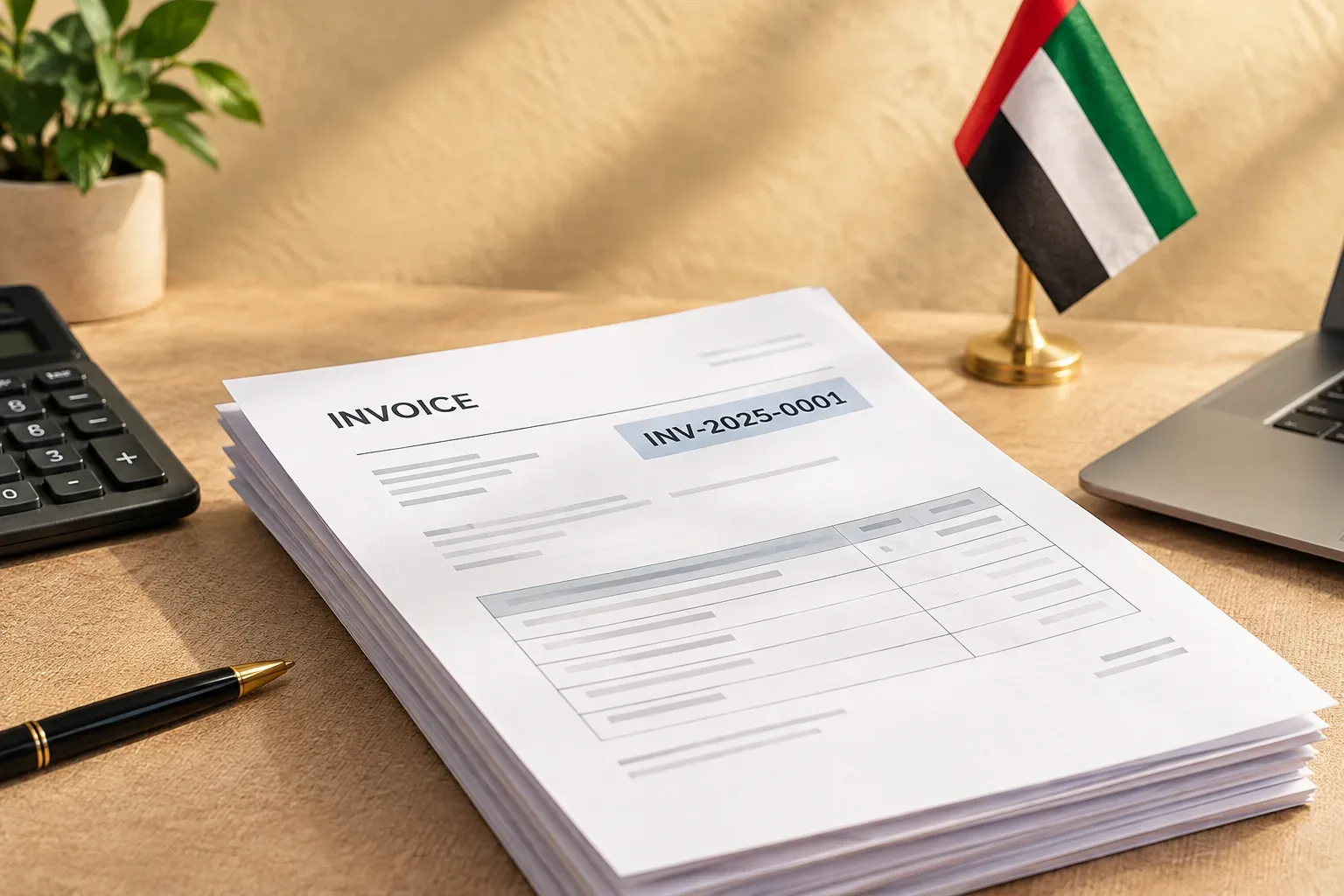
Brokers typically ask for the valid organic certificate with its product scope, the commercial invoice and the packing list. These documents must match each other and the certificate holder's legal name. Label artwork showing the organic claim and certifier details is also commonly reviewed. A single name mismatch can delay clearance.
Topic Summary
What Organic Certification in the UAE Means for Your Product
Organic certification in the UAE is formal proof that a product was grown, processed and handled to a recognised organic standard. It lets you use the word "organic" on labels and marketing. The claim needs a certificate from an accredited body and traceable records.
Who Regulates Organic Claims in the UAE
Organic claims in the UAE sit across federal and emirate-level bodies. The Ministry of Climate Change and Environment (MOCCAE) oversees organic agriculture and inputs, and the Ministry. Emirate authorities such as Dubai Municipality control food safety, inspection and entry. The free zone authority handles licensing only.
How Overseas Organic Certificates Are Treated
An overseas organic certificate does not automatically carry the same weight in the UAE. Authorities assess whether the issuing body and standard meet local requirements. Confirm recognition before shipping, not after goods arrive.
Steps to Obtain Organic Certification in the UAE
To obtain organic certification in the UAE, define your product scope, choose an accredited certifier, document your supply chain, pass inspection and apply the approved label. Keep records in order before you book the inspection.
Costs and Ongoing Compliance for Organic Certification in the UAE
Organic certification in the UAE carries certifier fees, inspection costs, label changes and annual renewal. Official fees come from the certifier or authority and are quoted in AED. Any consultant figure is an estimate, so compare written quotes.
What the Decision Means for Your Meydan Free Zone Company
For a Meydan Free Zone company, organic certification is a product compliance matter, separate from licensing. Meydan Free Zone issues the license, while the certifier and food authorities approve the product. Confirm your license activity matches how you trade before committing to certification costs.
Conclusion
Organic certification in the UAE is a documentation and traceability exercise, not a label design choice. The right certifier, clean records and a license activity that fits your trading model decide whether stock clears and sells. Map your product category, certifier and license activity first, check running costs with the Meydan Free Zone Setup Cost Calculator, then apply for your business license with Meydan Free Zone.
Organic Certification for Products Sold in the UAE
An organic label that fails a compliance check can hold a shipment at the port for weeks. Many founders assume an overseas certificate is accepted automatically, or that the word "organic" needs no approval. Neither holds.
This guide explains what organic certification in the UAE involves, who regulates it, how overseas certificates are treated and what it costs to maintain. Use it to frame the decision before applying for your business license with Meydan Free Zone.
What Organic Certification in the UAE Means for Your Product
Organic certification in the UAE is formal proof that a product was grown, processed and handled to a recognised organic standard. It lets you use the word "organic" on labels and marketing. The claim needs a certificate from an accredited body and traceable records.
Certificate Versus Marketing Claim
A certificate is third-party verification. A claim is your own statement. Words such as natural, eco or farm-fresh are not the same as organic, and retailers look for the certificate behind the word.
Say a founder lists granola as organic because the oats are organic. The factory is not certified for processing, so the claim fails.
Which Products Fall Under Organic Rules
- Fresh produce, packaged food, beverages and ingredients.
- Fertilisers and plant feed marketed for organic farming.
- Personal care, which is treated differently from food.
An organic olive oil importer faces food controls. An organic skincare importer faces cosmetic rules instead.
Who Handles Each Part of an Organic Product Launch
| Task | What it involves | Authority or Party |
|---|---|---|
| Business license and formation documents | Issues the license, Certificate of Formation, Share Register and Memorandum and Articles of Association digitally | Meydan Free Zone |
| Organic certificate issuance | Audits records and facilities, then issues a scoped certificate | Accredited certification body |
| Food safety and import clearance | Approves food entry and inspects consignments | Dubai Municipality (in Dubai) |
| Label claim accuracy | Keeps every claim within the certificate scope | Importer or brand owner |
| VAT and tax registration | Registers taxable businesses and collects VAT | Federal Tax Authority |
Who Regulates Organic Claims in the UAE

Organic claims in the UAE sit across federal and emirate-level bodies. Federal ministries set product and conformity rules. Emirate authorities such as Dubai Municipality control food safety, inspection and entry. The free zone authority handles licensing only.
Federal Rules and Conformity Bodies
The Ministry of Climate Change and Environment (MOCCAE) oversees organic agriculture and organic inputs, and the Ministry of Industry and Advanced Technology (MoIAT) runs the UAE’s conformity schemes, including the UAE Organic Mark. Accredited conformity assessment bodies then verify compliance.
Emirate-Level Food Safety Controls
Dubai Municipality handles food import approval and inspection in Dubai. Organic status does not replace food safety clearance. An organic snack consignment can pass organic checks and still need food registration. See the food import approvals for UAE supermarkets for the wider approval chain.
Role of the Free Zone Authority
Meydan Free Zone issues your Business License, Certificate of Formation, Share Register and Memorandum and Articles of Association digitally. It does not certify organic products. A food trading license is issued, but product approval stays with the competent authorities.
How Overseas Organic Certificates Are Treated
An overseas organic certificate does not automatically carry the same weight in the UAE. Authorities assess whether the issuing body and standard meet local requirements. Confirm recognition before shipping, not after goods arrive.
Recognition of Foreign Standards
Recognition depends on the standard and the certifying body. Expired or mismatched certificates cause rejection. A UK snack exporter, for instance, may hold a certificate issued to a different legal entity than the shipper. That mismatch alone can stop clearance. This guide to British organic snacks in Dubai covers this market.
Documents Importers Should Hold
- Valid certificate and product scope listing.
- Commercial invoice and packing list matching the certificate.
- Label artwork showing the claim and certifier details.
Documents are checked against each other. One name mismatch delays clearance.
Steps to Obtain Organic Certification in the UAE
To obtain organic certification in the UAE, define your product scope, choose an accredited certifier, document your supply chain, pass inspection and apply the approved label. Keep records in order before you book the inspection.
Step 1: Define Product Scope and Licensed Activity
Confirm whether you import, distribute or produce. Align your license activities with that model. A founder trading organic fertiliser should check the activity first, as in this organic fertiliser and plant feed trading setup.
Step 2: Select an Accredited Certifier
Check accreditation and that the body covers your product type. Request fees in writing and compare what each quote includes, because scopes differ.
Step 3: Prepare Supply Chain Records
Gather supplier certificates, batch records and storage procedures. Segregate stock: organic and conventional rice should sit on separate racks with labelled batch logs.
Step 4: Inspection, Decision and Label Approval
Inspectors review records and facilities. The certificate carries a defined scope and validity. Labels must match it exactly. Say a brand’s claim covers only two of five SKUs. The artwork has to be corrected before print.
Costs and Ongoing Compliance for Organic Certification in the UAE
Organic certification in the UAE carries certifier fees, inspection costs, label changes and annual renewal. Official fees come from the certifier or authority and are quoted in AED. Any consultant figure is an estimate, so compare written quotes.
Fees, Renewals and Hidden Costs
- Application, inspection and annual surveillance fees.
- Relabelling and product testing.
- Storage segregation.
Treat certification as a recurring cost, not a one-off setup item.
VAT and Record Keeping
Certification fees and imported goods fall under VAT rules. Registration is mandatory above AED 375,000 a year in taxable supplies. Reconcile certificate costs with imported stock monthly. Meydan Plus (mPlus) brings together Meydan Free Zone’s business support offerings, one of which is mAccounting, covering bookkeeping, VAT, Corporate Tax and payroll.
Keep certification costs and VAT in one set of books with mAccounting, part of Meydan Plus (mPlus).
What the Decision Means for Your Meydan Free Zone Company
For a Meydan Free Zone company, organic certification is a product compliance matter, separate from licensing. Meydan Free Zone issues the license, while the certifier and food authorities approve the product. Confirm your license activity matches how you trade before committing to certification costs.
Matching License Activity to Your Trading Model
Importers, distributors and producers need different activities. The right activities on one license avoid later amendments. Fawri is Meydan Free Zone's fully digital licensing solution for solo entrepreneurs, issuing a business license in under 60 minutes. A solo founder importing organic pantry goods can license trading first, then open certifier talks.
Practical Support After Registration
mCore, also part of mPlus, supports business bank account setup, company stamps, business cards and e-commerce setup. An organic goods seller can build the online store through mCore after licensing. mResidency, also part of mPlus, covers residency visas, the medical fitness test, Emirates ID, medical insurance and dependant visas. None of these services guarantees bank or product approval.
Conclusion
Organic certification in the UAE is a documentation and traceability exercise, not a label design choice. The right certifier, clean records and a license activity that fits your trading model decide whether stock clears and sells.
Map your product category, certifier and license activity first, check running costs with the Meydan Free Zone Setup Cost Calculator, then apply for your business license with Meydan Free Zone.
Free Business Setup Cost Calculator
Calculate Now