Table of Contents
Frequently Asked Questions
What does activity code 3310 cover in Dubai
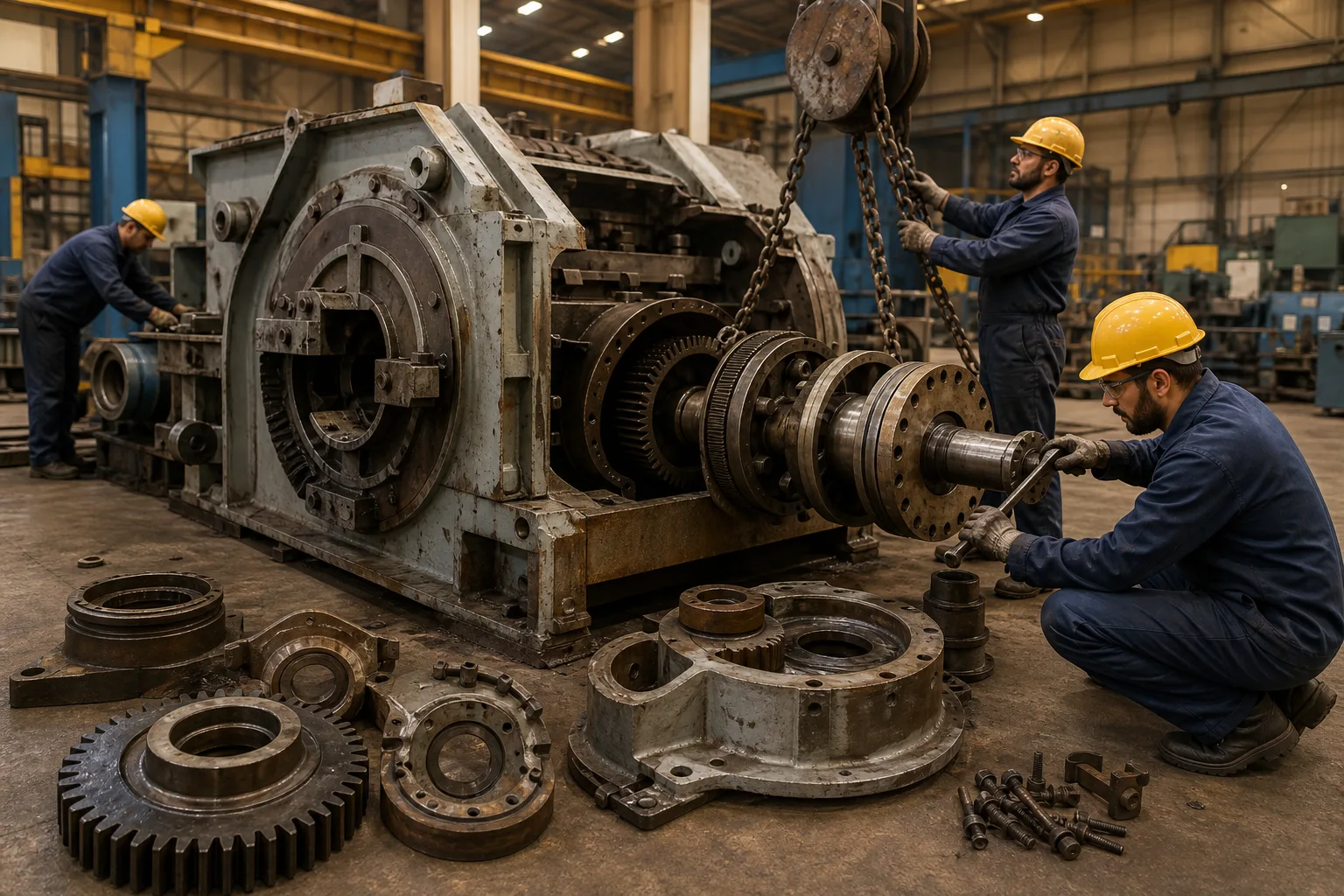
Activity code 3310 — Repair of Fabricated Metal Products, Machinery and Equipment — is classified under the industrial repair sector in the UAE. It covers a broad operational scope including structural metalwork repair, welding and fabrication, precision machining, hydraulic system overhaul, conveyor and plant equipment servicing, and preventive maintenance programmes for industrial assets.
It sits within the manufacturing support sector, which is considered one of the more stable business categories in the UAE economy. Because demand is maintenance-driven rather than project-driven, revenue tends to remain consistent regardless of whether new capital investment is active in the market.
Who are the main customers for a metal and machinery repair business in Dubai
The customer base for activity 3310 is almost entirely B2B. Primary clients include construction contractors needing site machinery maintenance, oil and gas operators and their subcontractors, logistics and warehousing companies managing heavy handling equipment, and manufacturing plants requiring scheduled machinery upkeep.
Facility management firms overseeing industrial and commercial assets are also a significant client segment. Because these clients depend on functioning equipment to keep operations running, they represent reliable, repeat-purchase relationships rather than one-off engagements.
What revenue models work best for a machinery repair business
Smaller operators typically work on a job-by-job basis — quoted, executed, and invoiced per repair. This is a straightforward entry model but produces variable monthly income and requires continuous business development to maintain a full order book.
More established businesses move towards retainer-based maintenance contracts, which provide predictable monthly revenue and deeper client relationships. A single maintenance agreement with a mid-sized manufacturing facility can represent significant annual revenue. Mobile on-site repair units are also a practical model for clients who cannot afford equipment downtime or the cost of transporting heavy machinery.
Why is Dubai a strong market for industrial repair services
Dubai's industrial base spans construction, manufacturing, logistics, and energy — all sectors that rely on fabricated metal and heavy equipment requiring constant maintenance. When machinery stops, operations stop, creating durable commercial demand for repair services.
The city's major industrial zones — Jebel Ali, Al Quoz, and Dubai Industrial City — house thousands of equipment-dependent operations. The UAE manufacturing sector contributes approximately 9% to national GDP, and the Middle East and Africa industrial MRO market is projected to grow steadily through 2030, driven by oil and gas, construction, and manufacturing sectors.
Can a Meydan Free Zone licence be used to serve mainland UAE clients
Yes. A free zone trade licence from Meydan Free Zone permits B2B operations across the UAE, including serving clients on the mainland under standard commercial arrangements. This makes it a practical licensing option for a metal and machinery repair business whose clients may be located in Dubai's industrial zones or elsewhere on the mainland.
It is worth confirming the specific permitted activities and any operational conditions with Meydan Free Zone directly, as requirements can vary depending on the nature and scale of services being provided.
When does a metal and machinery repair business in the UAE need to register for VAT
VAT registration is mandatory once annual turnover exceeds AED 375,000, as set by the Federal Tax Authority. For a commercial repair business with even a handful of active contracts, this threshold can be reached relatively quickly.
Once registered, the business must charge VAT on taxable supplies, file regular VAT returns, and maintain compliant records. Early planning for VAT registration is advisable so that invoicing and accounting systems are in place before the threshold is crossed.
Is demand for machinery repair services affected by economic cycles
Activity 3310 is considered maintenance-driven rather than cyclically dependent. Unlike new equipment sales or capital construction projects, repair and maintenance demand continues as long as existing machinery is in operation — regardless of whether new investment is being commissioned.
Asset owners increasingly prioritise maintenance over replacement to manage capital expenditure, a trend noted across the global industrial machinery repair market. This makes the sector relatively resilient compared to businesses tied directly to new project pipelines.
What are the typical sales cycle and contract value characteristics for this type of business
Because activity 3310 operates in a B2B environment, sales cycles tend to be longer than in consumer-facing businesses. Procurement decisions often involve multiple stakeholders, technical assessments, and formal tendering processes, particularly with larger industrial clients.
However, contract values are correspondingly higher. A maintenance agreement with a mid-sized manufacturing facility or logistics operator can represent significant annual revenue from a single client relationship. This makes client acquisition and relationship management a core commercial priority for businesses in this sector.
How to Start a Metal and Machinery Repair Business in Dubai
Steel cracks, bearings seize, conveyors jam. Dubai runs on fabricated metal and heavy plant, and when a machine stops the operation stops with it. That is the whole commercial argument for this trade, and it does not soften when the economy does.
This guide covers what activity code 3310 lets you do, who pays for the work, how the revenue is structured, and how to get licensed through Meydan Free Zone. The important thing to understand about this activity is that demand comes from maintenance rather than from new projects, which makes it steadier than most industrial work.
Key Stats at a Glance
What This License Covers

Activity code 3310, repair of fabricated metal products, machinery and equipment, sits under industrial repair and covers a genuinely wide range of work. Structural metalwork repair, welding and fabrication, precision machining, hydraulic system overhaul, conveyor and plant servicing, and preventive maintenance programmes for industrial assets all fall inside it.
The useful thing about that breadth is that it spans two different kinds of job. There is metalwork, where you are cutting, welding and fabricating, and there is machinery, where you are stripping down and rebuilding. One license carries both, which means a client with a cracked frame and a failing hydraulic ram can call one number instead of two.
Who Your Clients Will Be
This is business to business from top to bottom. There are no walk-in customers.
- Construction contractors keeping site machinery running
- Oil and gas operators and their subcontractors
- Logistics and warehousing firms with heavy handling machines
- Manufacturing plants on scheduled upkeep
- Facility management companies looking after industrial and commercial assets
These clients need working machines to trade at all, which makes them repeat customers rather than one-off jobs. Money arrives in three shapes. Smaller operators work job by job: quote, do the work, invoice. It is a simple way in but the monthly income swings and you have to keep selling to fill the diary. Established firms move to retainer maintenance contracts, which pay predictably and pull you closer to the client. Mobile on-site repair units are the third option, and they suit anyone who cannot afford downtime or the cost of shifting heavy machines across town.
The trade-off worth knowing early: because this is B2B, sales cycles are long. Procurement involves several people, technical assessments and often a formal tender. What you get in return is size. One maintenance agreement with a mid-sized manufacturing plant can be worth a substantial slice of your annual revenue.
Mainland or Free Zone
Let your clients decide it, not the price. A Meydan Free Zone license permits B2B work right across the UAE, including serving mainland clients under standard commercial arrangements, which covers effectively everyone in this trade. Confirm your exact permitted activities with the Meydan Free Zone team, since the answer can shift with the nature and scale of what you intend to offer.
[blockCTACostCalculator]
Step by Step Setup Guide
- Step 1, confirm your activity and book your trade name: Check that 3310 is included in your license scope and that your preferred name is free.
- Step 2, choose your license package: mCore suits a lean operation with few visas. mPlus fits a business planning to employ technicians and needing several visa allocations.
- Step 3, send in documents and clear KYC: Passport copies, proof of address and your business details, all submitted digitally. The KYC process is handled online.
- Step 4, get your license and set up: Once approved, open a corporate bank account and apply for investor and employee visas.
Remote setup is fully supported, so founders based abroad can complete the whole thing without flying to Dubai. That is useful if you plan to establish the UAE company before you relocate.
Compliance and What You Need in Place
License scope
3310 is an industrial repair activity, and a free zone license lets you work B2B across the UAE. Settle the exact scope of permitted services with the free zone before you quote for anything unusual, particularly if a job blurs into fabrication for sale rather than repair.
VAT and books
Register for VAT with the Federal Tax Authority once annual turnover passes AED 375,000. A commercial repair business with even a handful of live contracts reaches that quickly. Compliance means regular VAT returns and accurate invoice records, so get the accounting system in place before the threshold arrives rather than after.
Skilled staff and MOHRE
This trade runs on welders, machinists and maintenance engineers. Visa and labour contract compliance sits with the Ministry of Human Resources and Emiratisation, every employment contract must be registered, and Emiratisation quotas apply once headcount reaches the relevant level. Plan the shape of the team before you start hiring against it.
Importing tooling and parts
If you bring in specialist machines, tooling or spares, the UAE port network handles clearance efficiently through DP World at Jebel Ali. Duties on industrial machinery are generally low under GCC tariff schedules, but the HS code and the paperwork have to be right or the shipment sits.
Market Opportunity
The structural case here is simple. Dubai's industrial base spans construction, manufacturing, logistics and energy, and all four run on fabricated metal and heavy plant that wears out on a schedule. UAE manufacturing contributes roughly 9% of national GDP, and the emirate's industrial zones hold thousands of operations that depend on machines staying up. Sustained infrastructure spending, an active port and logistics network and a growing manufacturing base keep feeding the same demand.
What makes this different from most industrial trades is that it does not track the project cycle. Repair demand continues as long as existing machinery is running, whether or not anyone is commissioning something new. Mordor Intelligence notes that asset owners increasingly choose to maintain rather than replace as a way of controlling capital spending, which pushes work towards repair firms rather than away from them. IMARC Group expects the Middle East and Africa industrial MRO market to grow steadily through 2030 on the back of oil and gas, construction and manufacturing. Both trends point the same way.
Conclusion
Metal and machinery repair under 3310 is about as grounded as a business gets. The customers are identifiable, the work repeats, and demand comes from machines wearing out rather than from anyone's investment mood.
Meydan Free Zone gives you a cost-effective route to a license you can arrange remotely, with packages that fit a solo operator or a team of technicians. Three things decide how well it goes: retainer contracts signed early rather than living job to job, a technical team you have planned for on paper before you hire, and import paperwork that does not hold up your spares.
[blockCTAContact]