Table of Contents
Frequently Asked Questions
What is activity code 3320.01 and what services does it cover
Activity code 3320.01 refers to the Installation of Industrial Machinery in Industrial Plants, a defined licensing category used in Dubai and the wider UAE to classify specialist machinery installation contractors.
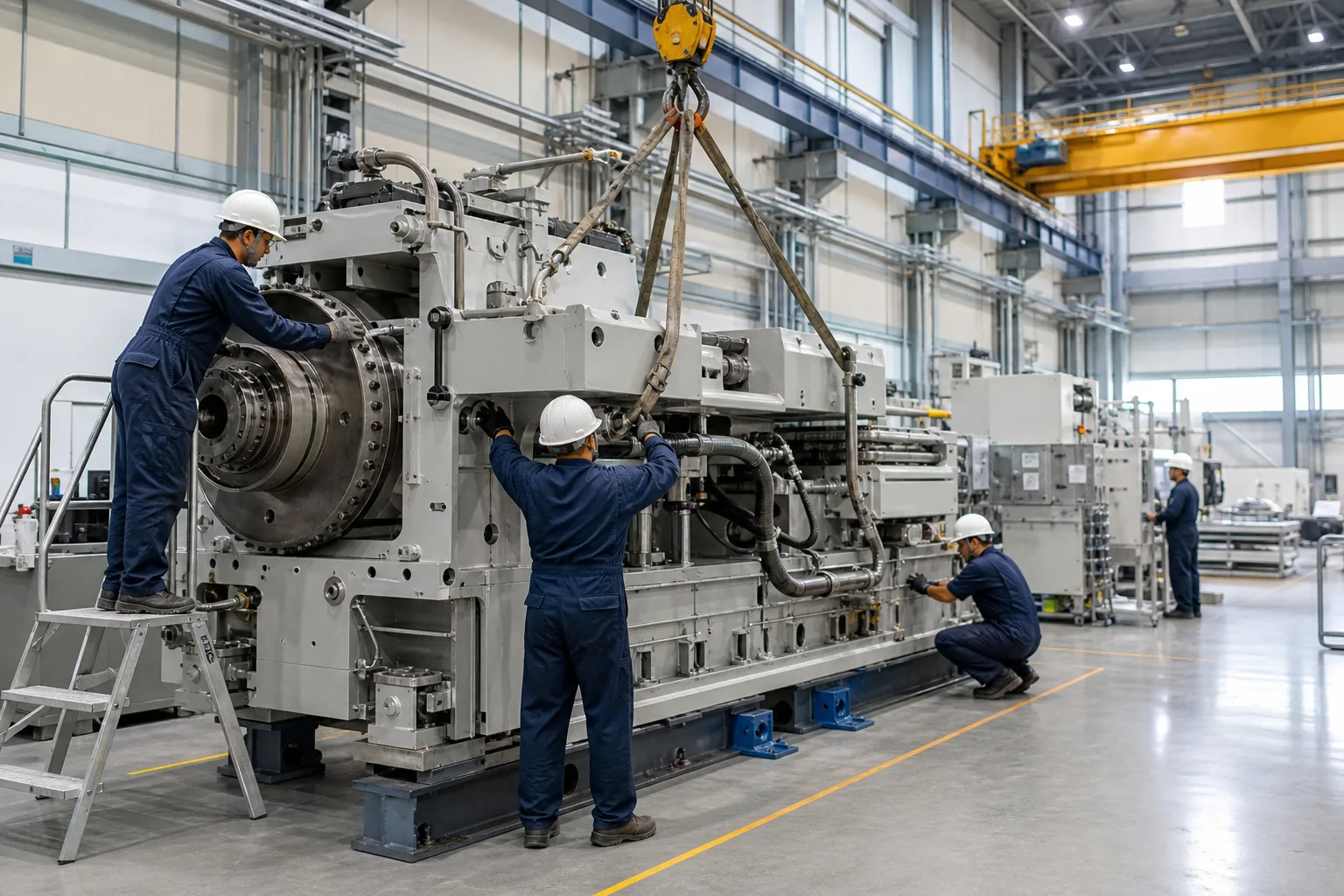
Permitted services under this code include installation, alignment, levelling, and mechanical fixing of industrial machinery, commissioning and functional testing, relocation and reinstallation of existing plant, and retrofitting of new components into existing production lines.
It is important to note that electrical connection work, civil modifications, and pressure vessel certification typically fall outside this activity code and may require separate approvals or licensed sub-contractors. Always confirm the precise scope with your licensing authority before structuring your business.
Why is Dubai a strong market for industrial machinery installation businesses
Dubai benefits from a combination of deliberate industrial policy, world-class logistics infrastructure, and a rapidly expanding free zone ecosystem. The UAE Industrial Strategy 2031 targets AED 300 billion in manufacturing value-add, which drives sustained capital expenditure into new plant construction and equipment procurement — creating a direct pipeline for installation contractors.
With over 30 active industrial and free zones across the UAE and Dubai industrial real estate occupancy consistently above 90%, new facilities are being commissioned on an ongoing basis. Each new facility requires professional installation expertise, meaning demand is not seasonal or cyclical in the same way as other construction trades.
Nearshoring trends and UAE industrial policy are also pulling more regional manufacturing into the country, further expanding the addressable market for installation specialists.
Who are the typical customers for an industrial machinery installation business in Dubai
The core customer base for activity code 3320.01 businesses spans several industrial sectors. Key clients include food and beverage manufacturers, metalworking and fabrication plants, packaging operations, and logistics operators fitting out automated warehouses.
EPC (engineering, procurement, and construction) contractors managing turnkey industrial projects are also a significant source of subcontract work, as they frequently require specialist installation partners for the mechanical fit-out phase of new facilities.
As UAE industrial zones continue to attract foreign manufacturers and regional production shifts onshore, the client base is expected to broaden further through 2031 and beyond.
How does VAT apply to industrial machinery installation services in the UAE
Installation services provided in the UAE are subject to 5% VAT under the Federal Tax Authority (FTA) framework. Businesses must register for VAT once their taxable supplies exceed AED 375,000 annually.
For active installation contractors, this threshold is typically reached quickly given the value of commercial project contracts. It is advisable to plan for VAT registration as part of your initial business setup rather than treating it as a later compliance step.
Ensure your invoicing, contract terms, and accounting systems are configured for VAT from the outset to avoid penalties and administrative complications as your business scales.
What visa and workforce considerations apply when setting up this type of business
The Ministry of Human Resources and Emiratisation (MOHRE) governs skilled worker classifications in the UAE. Engineers, mechanical technicians, and site supervisors will each require appropriate visa categories that reflect their role and qualifications.
Free zone licences — including those issued through Meydan Free Zone — include visa allocations based on the office type selected. If you plan to employ a team of technicians from the outset, it is essential to confirm your headcount requirements early in the licensing process to ensure your chosen package supports the number of visas you need.
Underestimating visa allocation requirements at the setup stage can create operational delays once you begin winning contracts and need to mobilise staff quickly.
What site safety obligations apply to industrial machinery installation work in the UAE
Industrial plant work in the UAE requires compliance with client site safety protocols, which vary significantly by facility type and sector. Contractors cannot assume a single standard applies across all sites.
Particularly stringent requirements apply in petrochemical and food-grade environments, where site access, personal protective equipment, and method statement approvals may be mandatory before any work commences. Failure to comply can result in access being denied and contract penalties.
Building familiarity with common site safety frameworks — and ensuring your team holds relevant certifications — is an important part of commercial readiness before bidding on industrial contracts in Dubai.
What is the role of Meydan Free Zone in licensing this type of business
Meydan Free Zone is identified as a licensing route for businesses operating under activity code 3320.01 in Dubai. Free zone incorporation offers advantages including 100% foreign ownership, streamlined setup processes, and defined visa allocation structures.
Before committing to a structure, it is recommended to confirm the precise permitted activity scope with Meydan's licensing team — particularly if your projects regularly include elements such as electrical connections or civil modifications that may sit outside the standard 3320.01 boundary.
Choosing the right office type within the free zone will also determine your visa allocation, which has direct implications for how quickly you can build and deploy a technical workforce.
How large is the UAE machinery and equipment market and what does it mean for new entrants
The UAE machinery and equipment market is projected to grow steadily through 2028, according to Mordor Intelligence. Capital equipment imports into the UAE exceed USD 20 billion annually, per Statista — each shipment representing potential installation work for qualified contractors.
For new entrants, this scale signals genuine commercial opportunity, but also means competition from established regional and international contractors. Positioning around a specific sector — such as food processing, packaging, or automated logistics — can help a new business build a credible track record faster than attempting to serve all verticals simultaneously.
The combination of policy-driven industrial growth under Make it in the Emirates and sustained capital inflows suggests the market will remain active well beyond the short term, supporting business cases for early-stage investment in licensing and team building.
How to Start an Industrial Machinery Installation Business in Dubai
New factories are going up across Dubai and the wider UAE, and every one of them arrives full of machines that need aligning, levelling, bolting down, and testing before a single unit comes off the line. That is the job. It is skilled, it is repeatable, and the people who need it cannot do it themselves.
This guide covers activity code 3320.01, Installation of Industrial Machinery in Industrial Plants. It sets out what the code lets you do, what it does not, who your clients are, and how to get licensed through Meydan Free Zone.
Key Stats at a Glance
What This License Covers

Know your boundaries before you quote for anything. Under 3320.01 you can do all of the following:
- Install, align, level, and mechanically fix industrial machinery
- Commission and functionally test installed equipment
- Relocate and reinstall existing plant within a site or between sites
- Retrofit and mechanically integrate new parts into existing production lines
- Work across food processing, metalworking, packaging, and HVAC plant
Three things usually sit outside this code: electrical connection work, civil modifications, and pressure vessel certification. Those need separate approvals or a licensed sub-contractor. If your typical job includes them, raise it with the Meydan Free Zone licensing team before you set up, not after you have signed a contract.
Who Your Clients Will Be
Your buyers are food and beverage makers, metalworking and fabrication plants, packaging operations, and logistics firms fitting out automated warehouses. EPC contractors, the firms running turnkey industrial projects, are a fifth group and often the most useful one, because they need specialist partners for the mechanical fit-out stage and hand out subcontracts regularly.
Nearshoring and UAE industrial policy are pulling more regional manufacturing into the country. Each new plant needs installation expertise, and that demand does not swing with the season.
One word of caution. The market is big enough to attract established regional and international contractors, so you are not walking into an empty field. Picking one sector, such as food processing, packaging, or automated logistics, and building a track record there will get you credible faster than trying to serve everyone at once.
Mainland or Free Zone
This is the biggest choice you will make when setting up. Let your clients decide it, not the price.
That last row is the one to watch. A Meydan Free Zone license lets you contract and invoice without difficulty, but direct on-site work in mainland Dubai can need a civil works permit or a mainland branch depending on what the client wants. Check it with your legal adviser before you sign project contracts.
[blockCTACostCalculator]
How to Set Up Through Meydan Free Zone
- Step 1, pick your activity code: Select 3320.01 and confirm your license category, which is a service license.
- Step 2, book your trade name: Check it is available and meets UAE naming conventions.
- Step 3, set your shareholding: Decide between sole proprietor, partnership, or a corporate shareholder.
- Step 4, send your documents: Passport copies, application forms, and shareholder declarations.
- Step 5, collect your license: You receive the free zone license and your establishment card.
- Step 6, choose your workspace: Flexi-desk or dedicated office, which sets how many visas you get.
- Step 7, apply for visas: Investor and employee visas, plus Emirates ID and medical screening.
- Step 8, open your bank account: Use your license and setup documents to open a UAE corporate account.
The whole thing normally finishes within a few working days. The structure suits lean teams: a small management group can hold the license and the visa allocation while technical staff work out on project sites.
Compliance and What You Need in Place
Workers and visas
The Ministry of Human Resources and Emiratisation (MOHRE) sets the skilled worker categories. Engineers, mechanical technicians, and site supervisors each need the right visa type. Your free zone license comes with a visa allocation tied to your office choice, so work out your headcount early. Get this wrong and you will be stuck when a contract lands and you need people on site next week.
Tax
Installation services in the UAE carry 5% VAT. The Federal Tax Authority (FTA) requires registration once taxable supplies pass AED 375,000 a year. Most active contractors reach that quickly, so set up your invoicing and accounts for VAT from day one.
Site access and safety
Industrial plant work means following each client's own safety rules, and those vary a lot by site and sector. Petrochemical and food-grade plants are the strictest. They may require specific certifications, approved method statements, and set protective equipment before anyone starts. Turn up without them and you will be turned away.
Market Opportunity
The policy backing here is unusually clear. The UAE Industrial Strategy 2031 targets AED 300 billion of manufacturing value-add, and that money flows into new plant construction and equipment buying. Over 30 industrial and free zones are already active across the country, and Dubai industrial occupancy sits consistently above 90%, which tells you space is being used rather than sitting empty.
Then look at what arrives at the ports. Capital equipment imports run past USD 20 billion a year. Every shipment is a machine that somebody has to install properly.
Conclusion
Machinery installation under 3320.01 is a technically defined, workable business with a clear licensing route through Meydan Free Zone. It suits engineers, EPC firms, equipment suppliers, and specialist contractors who want to operate formally in the UAE, and the project pipeline behind it runs well into the next decade.
Use the cost calculator to model your license and visa costs, or speak to the Meydan Free Zone setup team to confirm your activity scope, visa allocation, and any mainland requirements before you commit to a project timeline.
[blockCTAContact]