






Table of Contents
Frequently Asked Questions
What is dubai universal design code?
The Dubai Universal Design Code is a set of technical rules that make buildings and public spaces accessible to everyone, including people of determination. It turns Federal Law No. 29 of 2006 and Dubai Law No. 2 of 2014 into design standards. Confirm the current edition with Dubai Municipality before finalising drawings.
How much does dubai universal design code cost?
There is no single fee for the code, because compliance costs depend on your premises. Expenses typically come from design changes such as ramps, accessible toilets, door widths and signage. Building these in during fit-out is cheaper than retrofitting later. Ask your consultant for a compliance-specific quote before you sign a lease.
How long does dubai universal design code take?
Timelines vary by project, since the code is a standard to design to rather than a single application. Compliance is usually built into your normal design and approval stages. Early planning prevents delays from redesign and resubmission. Ask your consultant to review accessibility at concept stage so approvals move smoothly.
What are the requirements for dubai universal design code?
The code sets technical rules for accessible routes, entrances, doors, circulation, toilets, parking and signage in business premises. Requirements depend on your building type and fit-out scope. Check the current edition with Dubai Municipality, then have your designer verify every drawing against it before submission.
What are the benefits of dubai universal design code?
Following the code keeps your premises legally compliant and open to more customers, including people of determination, older visitors and parents with strollers. It also avoids costly rework after inspection. Accessible design suits retail, hospitality and office spaces especially well. Build it into your fit-out brief from day one.
Is dubai universal design code worth it?
Yes, because compliance protects you from rework, approval delays and lost customers. Designing accessibly from the start costs far less than retrofitting a finished space. It matters most for customer-facing businesses such as shops, clinics and restaurants. Speak with a qualified consultant to confirm what applies to your premises.
Topic Summary
What Is the Dubai Universal Design Code and Why Does It Matter for Your Premises?
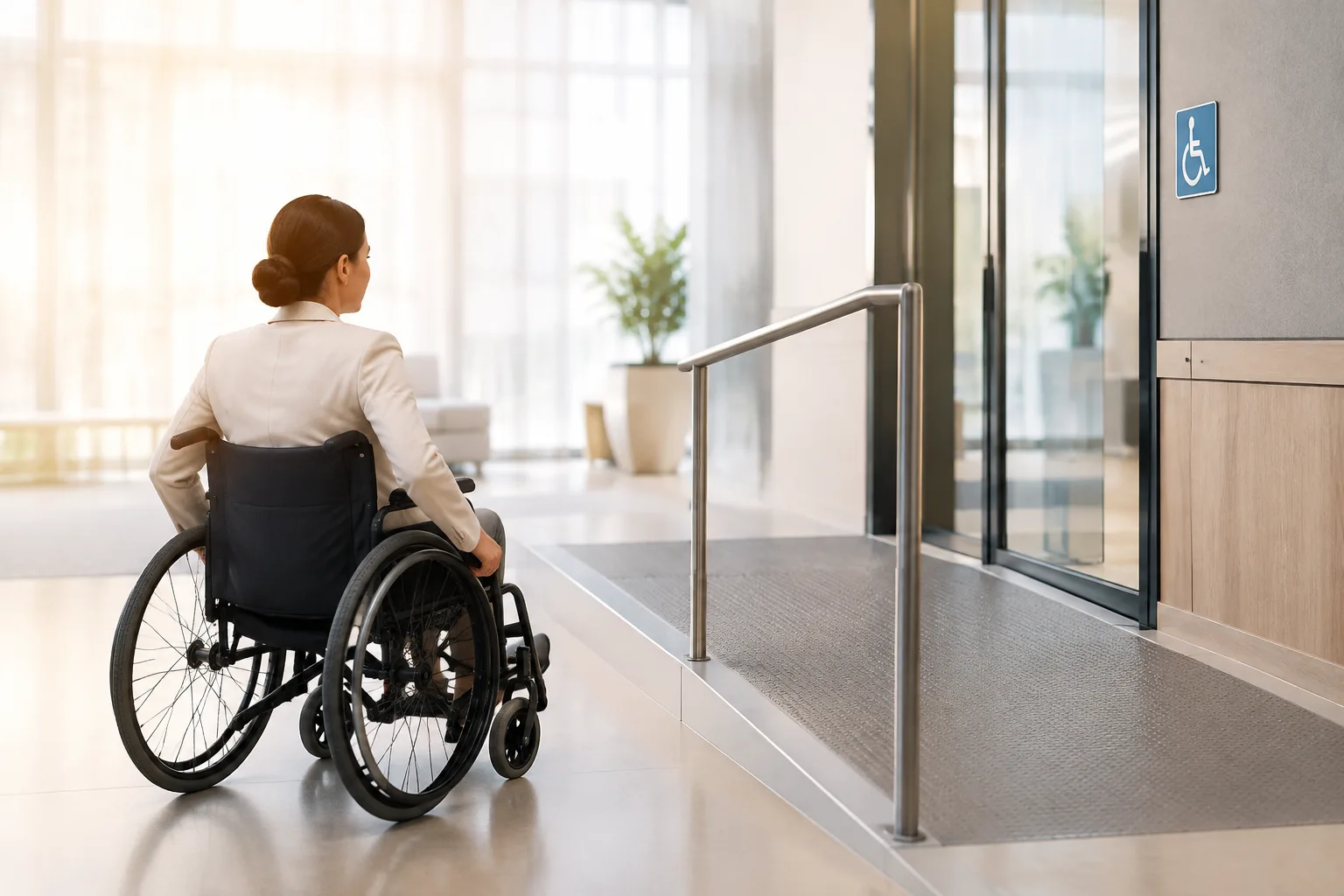
The Dubai Universal Design Code is a set of technical accessibility guidelines for buildings, public spaces and facilities in Dubai. It aims to make environments usable by everyone, including people of determination, older adults and parents with prams. For business owners, it shapes entrances, circulation, restrooms, parking and signage in customer-facing premises.
Which Business Premises Does the Dubai Universal Design Code Cover?
Which Business Premises Does the Dubai Universal Design Code Cover?
Core Accessibility Rules Your Premises Must Meet
Core rules under the Dubai Universal Design Code cover step-free approaches, wide doors, clear routes, accessible restrooms, reserved parking, lifts, tactile and visual signage, and safe emergency egress. Exact dimensions come from the official code. Check the current edition before finalising drawings, especially for accessible office design in Dubai.
Step-by-Step Guide to Making Your Premises Compliant
To align premises with the Dubai Universal Design Code, review the current code, audit your space, brief your designer, confirm landlord duties, build accessibility into drawings, and request approvals. Finish with a walkthrough before opening.
How Meydan Free Zone Companies Can Prepare Their Premises
Meydan Free Zone companies should match their license to the activity they plan, confirm the premises type with the landlord, and follow the clearance process with Dubai Municipality where an activity needs it. Meydan Free Zone's DET (Dubai Economy and Tourism) licensing does not replace building accessibility checks.
Common Mistakes and Business Benefits of Following the Dubai Universal Design Code
Common mistakes include leaving accessibility until after fit-out, assuming the landlord covered everything, and ignoring signage and restrooms. Following the Dubai Universal Design Code early avoids rework, widens customer reach and improves safety for everyone.
Conclusion
The Dubai Universal Design Code gives entrepreneurs a clear framework for accessible premises. Plan early, verify requirements against the current edition, and match your license and site to your activity. Speak to Meydan Free Zone about licensing your activity, and consult a qualified accessibility specialist before you finalise your fit-out.
Dubai Universal Design Code: Accessibility Rules for Business Premises
Federal Law No. 29 of 2006 and Dubai Law No. 2 of 2014 both protect the rights of people of determination. The Dubai Universal Design Code turns that principle into technical rules for buildings. This guide is for entrepreneurs who lease, fit out or buy commercial space. You'll learn what the code covers, the core rules, and how to avoid rework. Confirm the current edition with Dubai Municipality before you finalise drawings.
What Is the Dubai Universal Design Code and Why Does It Matter for Your Premises?
The Dubai Universal Design Code is a set of technical accessibility guidelines for buildings, public spaces and facilities in Dubai. It aims to make environments usable by everyone, including people of determination, older adults and parents with prams. For business owners, it shapes entrances, circulation, restrooms, parking and signage in customer-facing premises.
Plain-English Meaning of Universal Design
Universal design means one space that works for the widest range of users, with no special adaptations. Retrofit accessibility is different: it bolts fixes onto a finished design. A shop with a flush entrance serves wheelchair users, parents with prams and delivery staff with trolleys. One design does all three jobs.
Why Entrepreneurs Should Care
- Accessible premises widen your customer base.
- Early design costs less than rework after inspection.
- Landlord fit-out approvals and authority reviews may reference the code.
Picture a café owner who fixes the counter and seating layout at drawing stage. That's far cheaper than moving fixed joinery after handover. For population context, check the Dubai Statistics Center.
Which Business Premises Does the Dubai Universal Design Code Cover?

The code mainly targets buildings and spaces the public uses: shops, restaurants, clinics, offices with visitors, schools and hospitality venues. Scope depends on building type, project stage and the approving authority. Confirm accessibility requirements for business premises in Dubai with your landlord and the relevant authority before fit-out begins.
Customer-Facing Versus Back-Office Spaces
Public areas face the strictest expectations. A clinic, for example, keeps reception, waiting area and consultation rooms step-free, while storage follows a standard layout. Staff areas still matter if you want to hire inclusively. Flexible desks make later adjustments easy.
Accessibility Checklist for Business Premises by Area
| Premises Area | What to Check |
|---|---|
| Entrance and approach | Step-free route from street or parking, usable door width, no loose thresholds |
| Internal circulation | Clear paths between displays, turning space at the service desk |
| Restrooms | Accessible restroom location, layout, grab rails and fittings |
| Parking and lifts | Reserved bays near the entrance, lift controls, door timing and capacity |
| Signage and counters | High-contrast text, tactile cues, a lowered counter section |
New Builds, Fit-Outs and Renovations
- Project type changes your scope, so ask the authority early.
- Ask what the landlord's base building already provides.
- Get ramp, lift and restroom provision confirmed in writing.
A tenant leasing a shell unit should do exactly that. If a point can't be verified, check it with the authority. Architects can help, and an architectural consulting license in Dubai covers that discipline.
Core Accessibility Rules Your Premises Must Meet
Core rules under the Dubai Universal Design Code cover step-free approaches, wide doors, clear routes, accessible restrooms, reserved parking, lifts, tactile and visual signage, and safe emergency egress. Exact dimensions come from the official code. Check the current edition before finalising drawings, especially for accessible office design in Dubai.
Entrances, Ramps and Circulation
- Provide a step-free approach and usable door widths.
- Keep turning space and routes unobstructed.
- Verify every measurement against the official code.
A showroom might rearrange display stands to keep a clear route from door to service desk.
Restrooms, Parking and Lifts
- Locate accessible restrooms close to main areas.
- Reserve parking near the entrance.
- Check lift controls, door timing and capacity.
Leasing a third-floor office? Confirm the lift and nearest accessible restroom before signing. The Roads and Transport Authority publishes accessible transport context for approaches and drop-off points.
Signage, Wayfinding and Counters
Use clear contrast, readable text and tactile cues. Lower one section of the service counter, and add audio and visual emergency alerts. A restaurant could add a lowered cashier section and large-print menus. Small changes, big difference.
Step-by-Step Guide to Making Your Premises Compliant
To align premises with the Dubai Universal Design Code, review the current code, audit your space, brief your designer, confirm landlord duties, build accessibility into drawings, and request approvals. Finish with a walkthrough before opening.
Step 1: Obtain the Current Code and Landlord Requirements
- Download the latest official edition.
- Request the landlord's fit-out guidelines.
- Ask for base-building accessibility drawings.
Step 2: Audit the Space and Brief Your Designer
- Walk the route from parking to counter.
- Photograph problem spots, such as a narrow corridor.
- Put findings in the design brief.
Step 3: Submit Drawings and Secure Approvals
- Add a clear accessibility drawing to the approval pack.
- Allow time for comments and revisions.
- Track each authority response.
Step 4: Test the Finished Space Before Opening
- Run a walkthrough with a consultant.
- Fix issues, such as a door handle set too high.
- Retest before launch.
A people of determination universal accessibility consultant license covers this specialist role.
How Meydan Free Zone Companies Can Prepare Their Premises
Meydan Free Zone companies should match their license to the activity they plan, confirm the premises type with the landlord, and follow the clearance process with Dubai Municipality where an activity needs it. Meydan Free Zone's DET (Dubai Economy and Tourism) licensing does not replace building accessibility checks.
Licensing and Premises Go Hand in Hand
Match your license to the activity code and site you'll operate. Customer-facing activities need extra attention. A wellness studio, for example, should confirm its activity code and check the unit's accessibility before leasing. If you'll trade across Dubai, read about the Dubai Unified License (DUL), and verify eligibility first.
Using mAssist and Expert Support
- mAssist can support your setup journey.
- A guaranteed IBAN doesn't mean guaranteed bank approval.
- Hire a specialist when design questions go beyond setup.
A founder might use setup support for licensing and an accessibility consultant for the fit-out. For wider market context, see Invest in Dubai.
Common Mistakes and Business Benefits of Following the Dubai Universal Design Code
Common mistakes include leaving accessibility until after fit-out, assuming the landlord covered everything, and ignoring signage and restrooms. Following the Dubai Universal Design Code early avoids rework, widens customer reach and improves safety for everyone.
Mistakes That Lead to Costly Rework
- Late design changes.
- Unverified assumptions about the base building.
- Skipping the final walkthrough.
One retailer had to move a fixed display after opening because it blocked the main route.
Business Benefits Beyond Compliance
Wider aisles help prams, trolleys and older customers too. Accessible spaces also support inclusive hiring and a stronger reputation. Think of it as better design, not extra paperwork.
Conclusion
The Dubai Universal Design Code gives entrepreneurs a clear framework for accessible premises. Plan early, verify requirements against the current edition, and match your license and site to your activity. Speak to Meydan Free Zone about licensing your activity, and consult a qualified accessibility specialist before you finalise your fit-out.