
Table of Contents
Frequently Asked Questions
What does activity code 9520 cover in Dubai
Activity code 9520 — Repair of Personal and Household Goods — is a broad classification that covers a wide range of consumer repair services. It includes consumer electronics (phones, laptops, tablets), household appliances (washing machines, refrigerators, air conditioning units), footwear, leather goods, furniture, clothing, clocks, watches, and bicycles.
The code is designed to give operators flexibility. You can run a fixed workshop, offer home-visit services, or combine both models depending on your target customer and operational capacity.
Why is Dubai a good market for a personal and household goods repair business
Dubai has a population exceeding 3.6 million, with a dense concentration of working professionals, expat families, and high-income households who own premium electronics and appliances. Replacing these goods is expensive, making repair a rational and increasingly preferred option.
The UAE repair and maintenance services market is projected to grow steadily through 2030, driven by urbanisation, rising electronics ownership, and growing sustainability awareness. Dubai's role as a regional hub for premium and imported goods also creates strong demand for skilled repair operators who can service branded electronics, luxury accessories, and high-end appliances.
Who are the typical customers for a repair business under activity code 9520
Individual residents are the most obvious customer segment, but the potential customer base is broader than most founders initially expect. Property management companies, hotel facilities teams, corporate offices, and short-term rental operators all generate recurring, predictable repair demand.
A single facilities contract with a mid-sized residential building can provide a reliable monthly revenue floor. This commercial segment is often more valuable than one-off consumer jobs because it creates ongoing relationships and steady cash flow.
What revenue models work for a household goods repair business in Dubai
The revenue model for this type of business is flexible and can be structured in multiple ways. Job-based fees are straightforward for one-off consumer repairs, while monthly or annual service contracts are better suited to commercial clients such as property managers or corporate offices.
A third income layer comes from spare-parts margin, which is particularly relevant for electronics and appliance repair where proprietary components carry a premium. Combining all three streams — per-job fees, contracts, and parts sales — gives the business both predictable recurring income and upside from higher-value repairs.
Should I operate a workshop, offer home visits, or both
Both models are operationally viable in Dubai. The city's road infrastructure and residential clustering make mobile technicians efficient, so home-visit services can be run cost-effectively without a large fixed base.
A hybrid approach — a small workshop for complex or equipment-intensive jobs, combined with technicians dispatched for routine calls — is common among established operators. This balances overhead costs against service flexibility and allows you to handle a wider range of job types without turning away work.
Do I need a trade licence to offer repair services in Dubai
Yes. A trade licence is required before any commercial activity begins in Dubai. Operating without one exposes you to regulatory penalties and prevents you from legally invoicing clients, opening a business bank account, or hiring staff.
You can obtain a licence either through the Dubai Department of Economy and Tourism for mainland operations, or through a free zone such as Meydan Free Zone. Free zone licences are typically faster to process and can be a practical starting point, particularly for operators focused on service delivery rather than retail walk-in trade.
Does VAT apply to repair services in Dubai, and when must I register
VAT at 5% applies to repair services in the UAE. This means you will need to charge VAT on qualifying invoices and file returns with the Federal Tax Authority once you meet the registration threshold.
Businesses with annual turnover exceeding AED 375,000 are required to register for VAT. If you are approaching or expect to exceed this threshold, it is advisable to register proactively and ensure your invoicing and accounting systems are set up to track VAT correctly from the outset.
What consumer protection obligations apply to repair businesses in Dubai
The UAE's consumer protection framework is administered by the Ministry of Economy and sets standards covering service quality, transparency, and fair dealing with customers. Repair businesses are expected to meet these standards in how they quote, deliver, and stand behind their work.
Practically, this means being clear about pricing before work begins, delivering services to a reasonable standard of quality, and handling complaints appropriately. Staying compliant protects your reputation as well as your legal standing, particularly when working with commercial clients who may have their own contractual quality requirements.
How to Start a Personal and Household Goods Repair Business in Dubai
A phone screen cracks, a washing machine dies, a handbag strap gives way. In a city where replacing any of those costs real money and everything is imported, fixing them is the sensible option. Enough people have worked that out that repair has become a proper business rather than a favour.
This guide covers what activity code 9520 lets you fix, who your customers actually are, what the light regulatory load looks like, and how to get licensed through Meydan Free Zone. It is one of the easier service businesses to start here and one of the easier ones to scale.
Key Stats at a Glance
What This License Covers

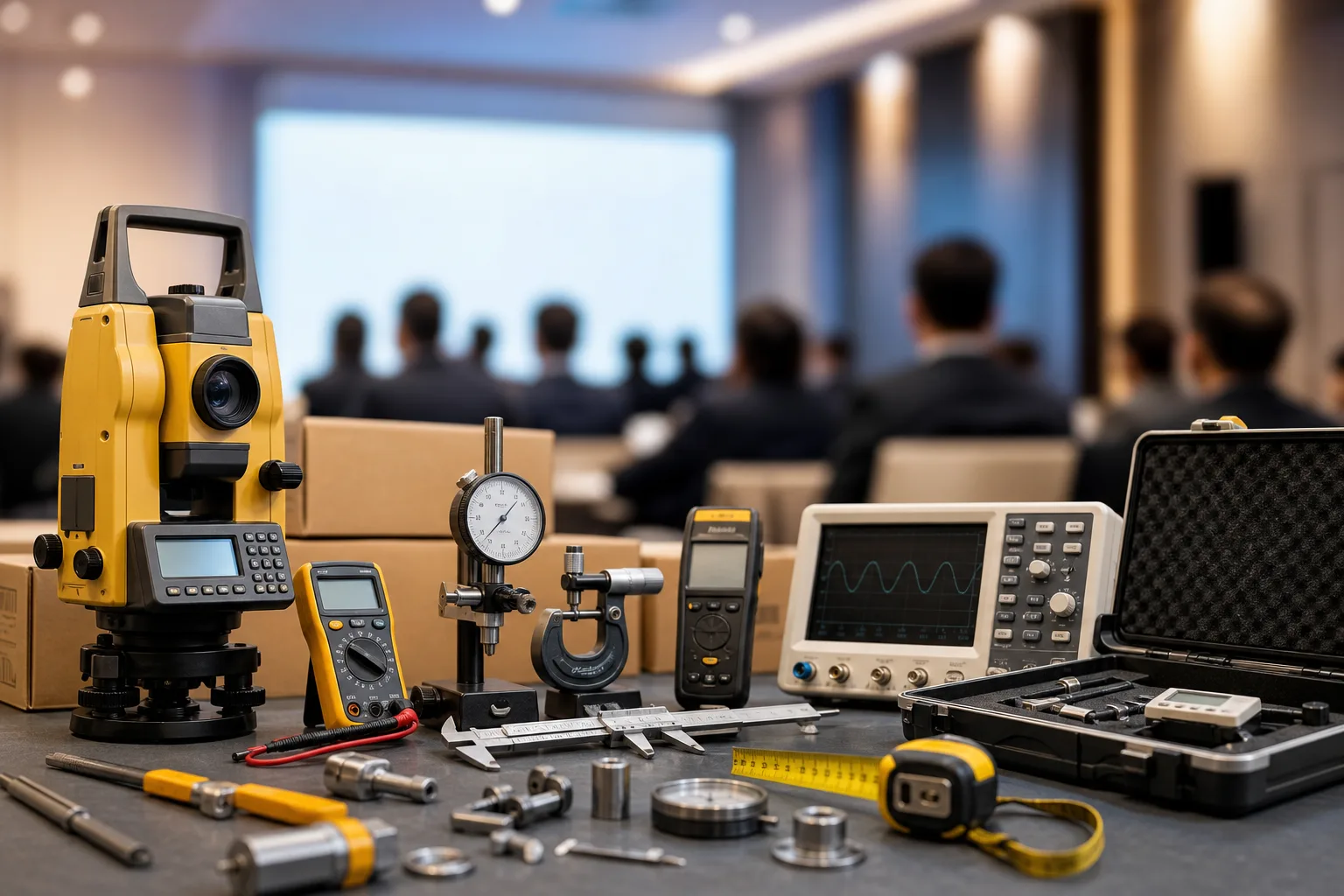
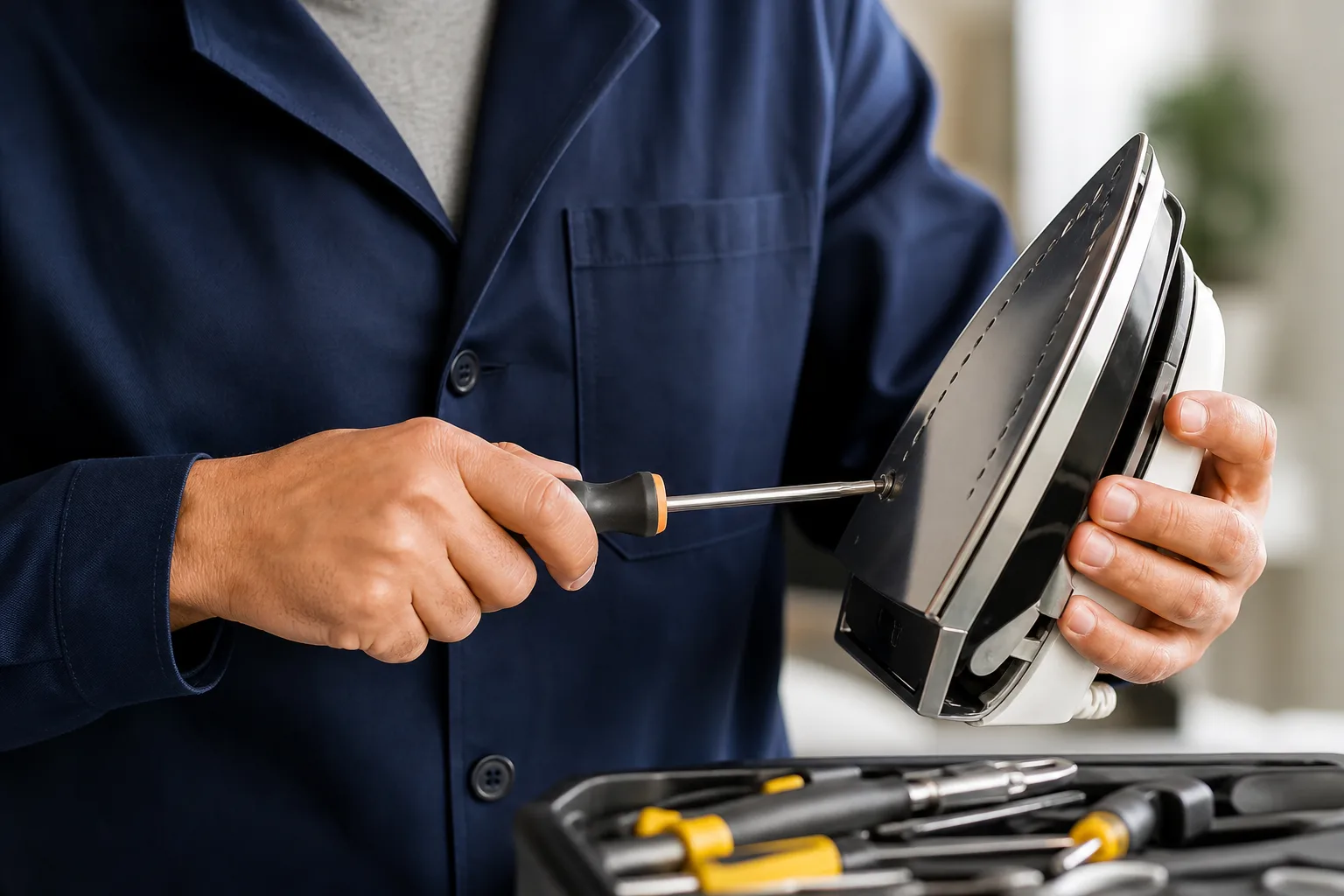
Activity code 9520, repair of personal and household goods, is broad by design. It takes in consumer electronics such as phones, laptops and tablets, white goods including washing machines, refrigerators and air conditioning units, plus footwear, leather goods, furniture, clothing, clocks, watches and bicycles.
That breadth is the commercial point. One license lets you fix a laptop on Monday and re-sole a pair of shoes on Tuesday, and it lets you add categories as you find out what people actually bring you. If you plan to work across several categories, confirm all the sub-activities are included when you apply rather than assuming.
Who Your Clients Will Be
Individual residents are the obvious market. They are not the profitable one.
- Individual residents bringing in phones, appliances and household items
- Property management companies looking after residential and commercial towers
- Hotel facilities teams keeping rooms and back-of-house running
- Corporate offices maintaining their own kit
- Short-term rental operators turning apartments around between guests
A single facilities contract with a mid-sized residential building gives you a predictable monthly revenue floor, which is worth more than a busy Saturday of walk-ins. Commercial accounts are where the stability lives.
Money comes in three layers. Job-based fees work for one-off consumer repairs. Service contracts, monthly or annual, suit commercial clients and smooth the cash flow. Spare-parts margin adds the third, and it matters most in electronics and appliance work where proprietary components carry a premium of their own.
Mainland or Free Zone
Let your clients decide it, not the price. Free zone licenses are usually quicker to issue and simpler for foreign founders, and they suit an operation built on commercial contracts and mobile technicians. A mainland license from the Department of Economy and Tourism permits direct trading with UAE consumers without a local agent, which matters if your model depends on walk-in trade from a shopfront.
[blockCTACostCalculator]
Step by Step Setup Guide
- Step 1, confirm your activity: Select 9520 and check it covers your intended repair scope. Working across categories such as electronics and garments means confirming all the sub-activities are on the license.
- Step 2, choose your legal structure: An FZ LLC is the standard structure for most SME founders. It separates liability and is simple to administer.
- Step 3, book your trade name: Submit your preferred name for an availability check. It must follow UAE naming conventions and avoid referencing regulated activities your license does not cover.
- Step 4, send in your application: Passport copies, a brief business plan or activity description, and your package details. Applications are processed remotely with no visit needed.
- Step 5, take your license: Licenses are issued digitally and visa allocation follows. Physical office space is not mandatory for eligible packages, which cuts your opening overhead considerably.
Estimated timeline from submission to license issuance is three to seven working days, depending on how complete your documents are.
Compliance and What You Need in Place
A license before you trade
You need a trade license before any commercial activity begins. Trading without one exposes you to penalties and, more practically, stops you invoicing clients, opening a business bank account or hiring anybody. There is no informal version of this business.
VAT and books
Register for VAT with the Federal Tax Authority once annual turnover passes AED 375,000. Repair services are standard-rated at 5%. Set up invoicing that tracks VAT correctly from the first job rather than reconstructing a year of receipts later.
Staff and MOHRE
Hiring technicians brings Ministry of Human Resources and Emiratisation rules into play: visa quotas tied to your license package, labour contracts, and Emiratisation duties once headcount reaches the relevant level. Plan the visa allocation before you start recruiting, because it caps how fast you can grow the team.
Consumer protection
There is no sector-specific regulator for repair services, but consumer protection standards sit with the Ministry of Economy and cover service quality, warranty and pricing transparency. Complaints get escalated there, so quote clearly before work starts, document each job and issue proper receipts. Commercial clients will expect all three anyway.
Market Opportunity
The maths favours repair here. Dubai passed 3.6 million residents in 2023, with a dense population of working professionals and families, many of them owning high-value electronics and appliances. Replacing those is expensive in a market where everything is imported, so fixing them is the rational choice, and that calculation has tilted further as sustainability awareness has grown and import costs have stayed high.
IMARC Group puts the wider UAE repair and maintenance sector on a steady growth path through 2030, underpinned by rising household incomes, more electronics per household and a preference among mid-to-high income consumers for quality restoration over cheap replacement. Dubai's position as a regional hub for premium goods sharpens that further: there is a real market for operators who can work confidently on branded electronics, luxury accessories and imported appliances, and comparatively few who can.
Conclusion
Personal and household goods repair is commercially simple, lightly regulated and well matched to how Dubai actually lives. The activity is broad, the customers are everywhere, and the model scales from a solo technician to a multi-team operation without changing anything structural.
Meydan Free Zone makes setup fast and remote, usually inside a week, with no mandatory premises. Three things decide how well it goes: commercial contracts chased alongside walk-in work, all your sub-activities confirmed on the license, and job documentation good enough that a facilities manager will renew without thinking about it.
[blockCTAContact]