
Table of Contents
Frequently Asked Questions
How large is the UAE IT services market?
The UAE IT services market is valued at USD 20.24 billion in 2025, per Mordor Intelligence, and is forecast to reach USD 37.69 billion by 2030 at 13.24 percent CAGR, driven by cloud implementation and systems integration programmes.
What drives UAE systems integration demand?
Microsoft's USD 15.2 billion UAE commitment through 2029, AWS and e& USD 1 billion cloud infrastructure investment, sovereign-cloud mandates and 46.83 percent cloud share of UAE ICT drive UAE systems integration demand.
Does 6202.01 include supplying the hardware and software as part of the integration?
Yes. Under ISIC 6202, integrators may provide the hardware and software components as part of integrated services, or source them from third-party vendors, and typically install the system plus train and support end users after go-live.
Do I need third-party approval to open a systems integration firm?
No third-party approval is required for activity 6202.01. You still need to comply with standard UAE commercial regulations, vendor partnership agreements and any client-specific engagement or sector requirements applicable.
What does activity 6202.01 cover?
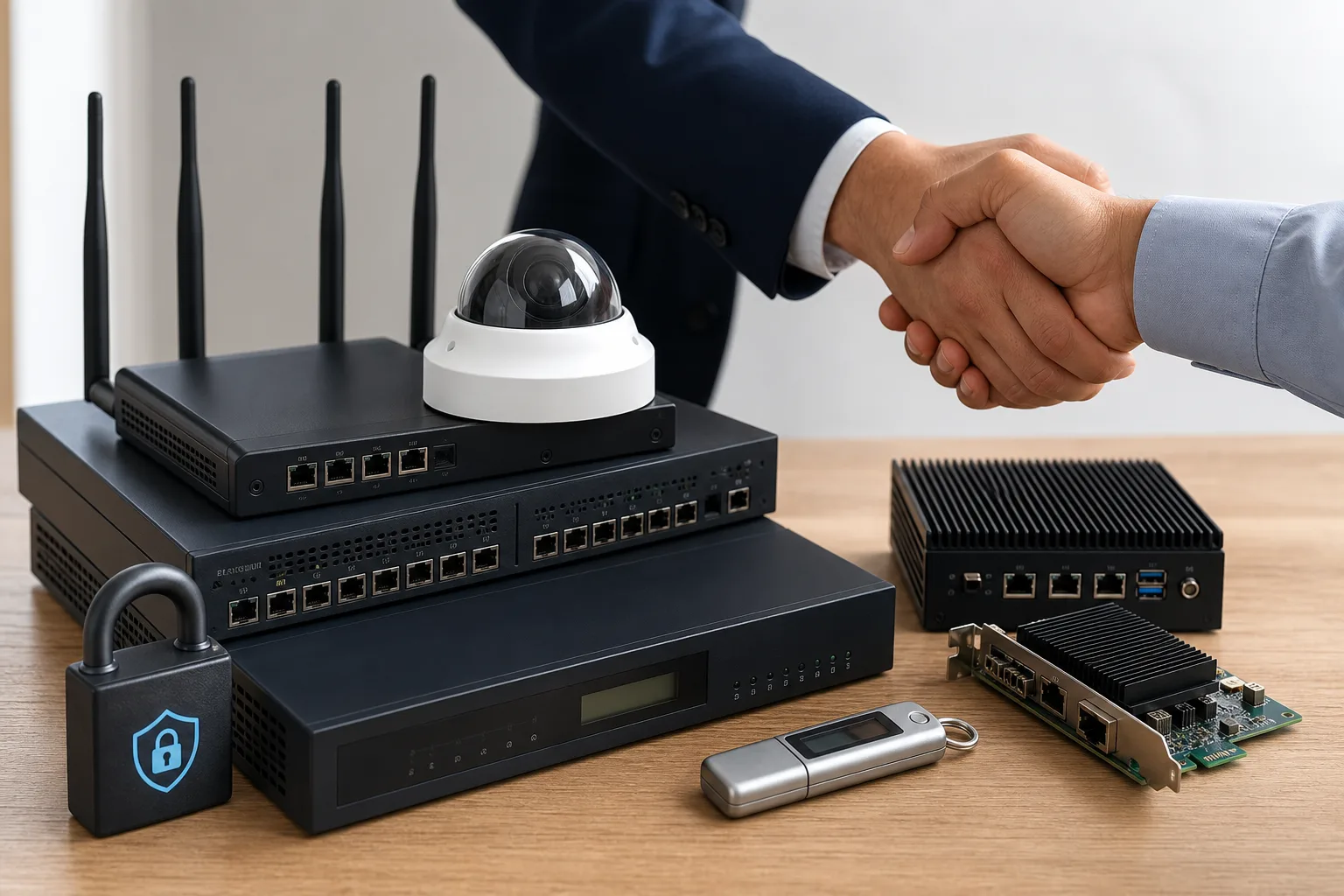
Activity 6202.01 covers planning and designing integrated computer systems combining hardware, software and communications, plus installation, user training, support and on-site management of client computer systems and data processing facilities.
Topic Summary
1. Conduct Thorough Market Research and Feasibility Analysis
Begin by analysing the current demand for integrated computer systems in the UAE, especially focusing on sectors like banking, retail, and government services. Evaluate competitors and identify gaps in the market that your business can fill. Understanding the regulatory environment and client requirements in Dubai is crucial for tailoring your services effectively.
2. Register Your Business with Meydan Free Zone Authority
Leverage the benefits of Meydan Free Zone, known for its strategic location and business-friendly policies. Submit your application for a business licence specifically tailored for technology and systems integration firms. Ensure compliance with the Free Zone’s requirements, including the submission of a detailed business plan, proof of capital, and identification documents.
3. Develop a Robust Technical Expertise and Strategic Vendor Partnerships
Assemble a team of experienced systems integrators and engineers proficient in hardware and software from multiple vendors. Establish partnerships with leading technology suppliers to secure reliable hardware and software solutions. These relationships are essential, as exemplified by the complex migration in UAE banks involving multifaceted vendor ecosystems.
4. Design Comprehensive System Integration Frameworks
Create detailed plans that encompass hardware deployment, software migration, network architecture, and end-to-end testing protocols. Your frameworks must ensure seamless interoperability among diverse systems and vendors. Focus on risk mitigation strategies to guarantee operational continuity, especially in scenarios involving critical infrastructure such as banking.
5. Implement a Strong Client Support and Maintenance Programme
Offer post-deployment support, maintenance, and system upgrades as part of your service package. This commitment builds trust and ensures long-term client satisfaction. Additionally, staying abreast of technological advancements and regulatory changes in Dubai will help your business maintain competitiveness and compliance.
How to Start a Planning and Designing of Integrated Computer Systems Business in Dubai
Dubai's push to become a smart city is creating real demand for firms that plan and build integrated computer systems. Government contracts are growing. Private developers want smarter buildings. Hospitals and logistics firms need systems that talk to each other.
This guide covers the license, setup steps, and market reality for launching this business in Dubai.
What This License Covers
This activity covers planning, designing, and integrating computer systems for clients. That means combining networks, hardware, software, and control systems into one working setup. The work is about making different components function together, not building each part from scratch.
Pure software development falls under a different code. So does general IT support. Make sure you pick the right code before you apply.
| Activity name | Planning and Designing of Integrated Computer Systems |
|---|---|
| Foreign ownership | 100% on the mainland – Invest in Dubai |
| Free zone option | Yes – Meydan Free Zone |
| Mainland authority | Dubai Department of Economy and Tourism (DET) |
| Office need | Physical office for mainland; flexi-desk available in free zone |
Who Your Clients Will Be

Government bodies run the biggest projects in this space. Smart city programs, public transport systems, and municipal infrastructure all need integrated systems. These are large contracts with long lead times.
The private sector is also active. Real estate developers, hospitals, logistics firms, and manufacturers all buy this work. They want systems that connect building controls, security, data, and operations.
Nobody here buys on a phone call. They run formal tenders. They want you on their approved vendor list first. They sign long contracts once they trust you.
Your license choice affects who you can serve. A free zone license suits international clients and private firms. A mainland license lets you work directly with UAE government bodies.
Mainland vs Free Zone
A mainland license from DET gives you full access to the UAE market. You can bid for government tenders and work with any local client. You will need a physical office and must follow DET rules on staffing.
A Meydan Free Zone license gives you 100% ownership and lower setup costs. It suits firms focused on international clients or private sector work. You can also start a business remotely through Meydan Free Zone without relocating first.
| Factor | Mainland (DET) | Free Zone (Meydan Free Zone) |
|---|---|---|
| Client access | Open UAE market, including government | Mainly private and international clients |
| Ownership | 100% foreign ownership allowed | 100% foreign ownership |
| Office need | Physical office required | Flexi-desk options available |
| Setup cost | Higher | Lower |
| Best for | Government and large local contracts | International clients and SMEs |
This is the biggest choice you will make when setting up. Let your clients decide it, not the price.
Free Business Setup Cost Calculator
Calculate NowHow to Set Up: Key Steps
The process is direct. Follow these steps in order and check each one before moving on.
- Step 1, book your trade name: Use the DET portal for a mainland company, or the Meydan Free Zone portal for a free zone one.
- Step 2, confirm your activity code: Check the code is approved in your chosen jurisdiction before you go further.
- Step 3, get your license: Submit your paperwork and pay the license fee to the relevant authority.
- Step 4, open a bank account: A business bank account for free zone companies can be arranged through Meydan Free Zone's support services.
- Step 5, meet technical rules before you start: Check staff qualifications and any kit rules that apply to your activity.
A free zone setup at Meydan Free Zone typically takes a few working days once your paperwork is in order. Mainland setup through DET takes longer. Budget more time for government approvals.
A Dubai Trade License from AED 12,500 is available through Meydan Free Zone for eligible activities.
What You Need in Place
Before you take on clients, make sure these are sorted.
Qualified staff Your team needs real project experience. Clients will ask for CVs and past work before they shortlist you.
Vendor registration Most large clients need you on their approved list before they can pay you. Start this early. It takes time.
Insurance Professional indemnity cover is expected on most contracts. Check what each client needs before you sign.
Tax duties If your revenue crosses the threshold, you must register with the Federal Tax Authority (FTA) for VAT. Corporate tax rules also apply. Get this right before you start billing.
Market Opportunity in Dubai
Dubai is spending heavily on digital systems. Smart transport, connected health facilities, and automated logistics are all growing. That spending flows directly to firms in this activity.
Small firms are badly served. The big IT groups charge too much for SMEs. There is a real gap for mid-sized operators who can deliver at a lower cost with faster response times.
Sectors driving demand now:
- Government smart city programs
- Private hospitals and health networks
- Logistics and warehousing operators
- Real estate developers building smart buildings
To compete, you need proven project experience and a track record you can show. Local vendor registration helps a lot. Without it, you will struggle to get past the first stage of most tenders.
Conclusion
Planning and designing integrated computer systems is a licensed, in-demand activity in Dubai. Government and private sector demand is strong and growing. The setup process is clear if you pick the right jurisdiction from the start.
Speak to a Meydan Free Zone advisor to confirm your activity code and get a cost estimate before you start.
Ready to Launch Your Business in Dubai?
Let's Connect