Table of Contents
Frequently Asked Questions
Who is responsible when a product sold in the UAE has to be recalled?
Responsibility sits with the supplier, not only the manufacturer. Importers, distributors, retailers and online sellers can all be treated as suppliers to the consumer. Reselling a foreign brand does not move that liability to the brand, so sellers should hold supplier contracts that cover recall costs.
Does a free zone company have to recall a faulty product sold to UAE customers?
Yes. A Meydan Free Zone company that supplies goods to customers carries consumer protection and product safety duties for those goods. The free zone license sets the permitted activities, but recall obligations follow the product and the market where it is sold.
Which authority should a seller notify first about an unsafe product in Dubai?
Notify the authority that regulates the product category. The Emirates Drug Establishment (EDE) covers medicines and medical devices, and the Telecommunications and Digital Government Regulatory Authority (TDRA) covers telecoms and radio equipment. For general consumer goods, Dubai’s Department of Economy and Tourism (DET) handles consumer complaints and market enforcement in the emirate.
Can a seller recover recall costs from an overseas supplier?
Yes, if the supplier contract allows it. Indemnity, warranty and recall cooperation clauses are the basis for a claim, and the governing law and dispute terms decide how it is enforced. Product liability insurance can also offset part of the cost.
What records should a seller keep to prove a recall was handled properly?
Keep batch numbers, invoices, customer lists and supplier conformity documents. Also record every notice sent, every customer response and every remedy delivered. These records let the authority verify the action taken and support any cost claim against the supplier.
Are online marketplace sellers treated as suppliers for recall purposes?
Yes. A marketplace seller remains responsible for its own listings and the goods it supplies. An e-commerce trader importing small appliances, for example, is treated as the supplier to the consumer, whatever platform it uses to sell.
What happens if a seller ignores a recall order from an authority?
The seller risks administrative fines, product bans, license consequences and civil claims from injured buyers. Liability can extend beyond refunds to compensation for harm. Penalty amounts depend on the governing law and the authority involved.
Do refunds during a recall affect VAT records?
Yes. Refunds interact with the VAT treatment of the original sale, usually through credit notes. Sellers should keep clear refund records so the credit notes match the adjusted sales. Meydan Plus (mPlus) brings together Meydan Free Zone’s business support offerings, one of which is mAccounting, covering bookkeeping, VAT, Corporate Tax and payroll.
Topic Summary
What Product Recall Obligations Mean for UAE Sellers
A product recall is the removal or correction of goods already sold because they are unsafe or defective. In the UAE, sellers must stop supplying affected products, notify the competent authority, inform buyers and provide a remedy such as repair, replacement or refund. Responsibility sits with suppliers, not only manufacturers.
Which Authorities Oversee a Product Recall in the UAE
Oversight depends on the product and the emirate. The Ministry of Economy and Tourism (MoET) oversees consumer protection under Federal Law No. 15 of 2020, the Ministry of Industry and Advanced Technology (MoIAT) sets product standards, and Dubai’s Department of Economy and Tourism (DET) handles consumer complaints and market enforcement. Sector regulators cover specific categories. Notify the authority that regulates your product.
Seller Duties When a Product Is Unsafe
When you learn a product is unsafe, stop sales, notify the competent authority, warn affected buyers and provide a remedy. Keep records of the batch, suppliers and customers so the recall can be traced and proven. Delay increases legal and financial exposure.
How to Run a Product Recall in the UAE
Run a recall in four stages: isolate the batch, notify, remedy and document. Speed and clear records matter more than perfect wording once a safety risk is confirmed.
Penalties and Liability for Failing to Recall
A seller that ignores a recall duty risks administrative fines, product bans, license consequences and civil claims. Amounts depend on the governing law and authority. See penalties for non-compliance in the UAE for the wider picture.
How Product Recall Duties Apply to a Meydan Free Zone Company
A Meydan Free Zone company selling goods in the UAE still carries product safety duties for what it supplies. The license sets permitted activities, while recall obligations follow the product and the market where it is sold.
Preparing Before a Recall Becomes Necessary
Vet suppliers, require conformity documents, track batches and draft a response plan. These steps cut response time if a defect appears, and any future recall needs less improvisation.
Product Recall Obligations for UAE Sellers
Say a seller finds out that a batch of imported heaters has a wiring fault. The units have reached customers, a marketplace and two retailers. Most founders assume a product recall in the UAE starts with a regulator's letter. It doesn't. The duty to act begins when you know or suspect a product is unsafe. Sellers often treat recalls as the manufacturer's problem, yet UAE consumer rules place real obligations on whoever supplies the goods. Our guide explains what a recall means, who oversees it, and how to prepare.
What Product Recall Obligations Mean for UAE Sellers
A product recall is the removal or correction of goods already sold because they are unsafe or defective. In the UAE, sellers must stop supplying affected products, notify the competent authority, inform buyers and provide a remedy such as repair, replacement or refund. Responsibility sits with suppliers, not only manufacturers.
Recall Versus Withdrawal and Voluntary Action
A withdrawal stops goods inside the supply chain. A recall reaches goods already with consumers. If you halt the heater batch in your warehouse, that's a withdrawal. Contacting customers who already received units is the recall.
A voluntary recall still carries legal weight if you knew of the risk. Authorities can also order one when a seller doesn't act.
Who Counts as a Seller Under UAE Law
Importers, distributors, retailers and online sellers can all be treated as suppliers. An e-commerce trader importing small appliances is the supplier to the consumer. Marketplace sellers stay responsible for their own listings, and reselling a foreign brand doesn't move liability to that brand. Read the UAE consumer protection regulations for the baseline duties.
Which Authorities Oversee a Product Recall in the UAE

Oversight depends on the product and the emirate. The Ministry of Economy and Tourism (MoET) oversees consumer protection under Federal Law No. 15 of 2020, the Ministry of Industry and Advanced Technology (MoIAT) sets product standards, and Dubai’s Department of Economy and Tourism (DET) handles consumer complaints and market enforcement. Sector regulators cover specific categories. Notify the authority that regulates your product.
Federal and Emirate-Level Roles
Federal consumer protection law sets baseline duties. DET enforces consumer rules in Dubai. One authority doesn’t cover everything: a toy importer deals with a different regulator than a food supplement seller.
Recall Responsibilities by Seller Type
| Seller Type | Core Recall Responsibility |
|---|---|
| Importer | Holds conformity documents, batch records and the supplier claim |
| Distributor | Traces stock to every retailer and passes notices down the chain |
| Retailer | Pulls shelf stock and handles returns, repairs and refunds |
| Online seller | Delists the product and contacts buyers using order records |
| Free zone trader | Applies the same safety duties to goods sold into the UAE market |
Sector Regulators by Product Category
- The Emirates Drug Establishment (EDE) covers medicines and medical devices.
- Telecommunications and Digital Government Regulatory Authority (TDRA) covers telecoms and radio equipment.
- MoIAT covers electrical and general goods through its conformity schemes.
A wireless accessory with a faulty battery falls under both telecoms equipment rules and consumer safety rules.
Seller Duties When a Product Is Unsafe
When you learn a product is unsafe, stop sales, notify the competent authority, warn affected buyers and provide a remedy. Keep records of the batch, suppliers and customers so the recall can be traced and proven. Delay increases legal and financial exposure.
Duty to Notify and Warn
Notify the authority promptly once a risk is known. Warn customers directly and through your sales channel. Keep the wording factual and consistent across every message.
Duty to Provide a Remedy
Offer repair, replacement or a refund. You then recover costs from the supplier under your contract terms. Refunds also need VAT credit notes to adjust the original sale.
Record-Keeping and Traceability
- Batch numbers, invoices and customer lists.
- Supplier documents and conformity certificates.
- Proof of every action taken, kept for the authority.
How to Run a Product Recall in the UAE
Run a recall in four stages: isolate the batch, notify, remedy and document. Speed and clear records matter more than perfect wording once a safety risk is confirmed.
Step 1: Identify and Isolate the Affected Batch
- Match batch codes to sales records.
- Quarantine remaining stock.
Step 2: Notify the Authority and Platforms
- Contact the regulator for your product category.
- Inform marketplaces and logistics partners.
Step 3: Contact Buyers and Deliver the Remedy
- Send direct notice by email, SMS or phone.
- Arrange collection, repair or refund, and log every response.
Step 4: Document and Recover Costs
- Compile a closing record for the authority.
- Claim against the supplier under your contract.
Penalties and Liability for Failing to Recall
A seller that ignores a recall duty risks administrative fines, product bans, license consequences and civil claims. Amounts depend on the governing law and authority. See penalties for non-compliance in the UAE for the wider picture.
Administrative and Civil Exposure
Authorities can fine and restrict sales. Injured buyers can claim compensation for harm, which goes beyond a refund. A marketplace may also suspend your account.
Supplier Contracts and Cost Recovery
Indemnity and warranty clauses decide who pays. Governing law and dispute terms matter too, as covered in UAE contract law. Product liability insurance covers what the supplier can't.
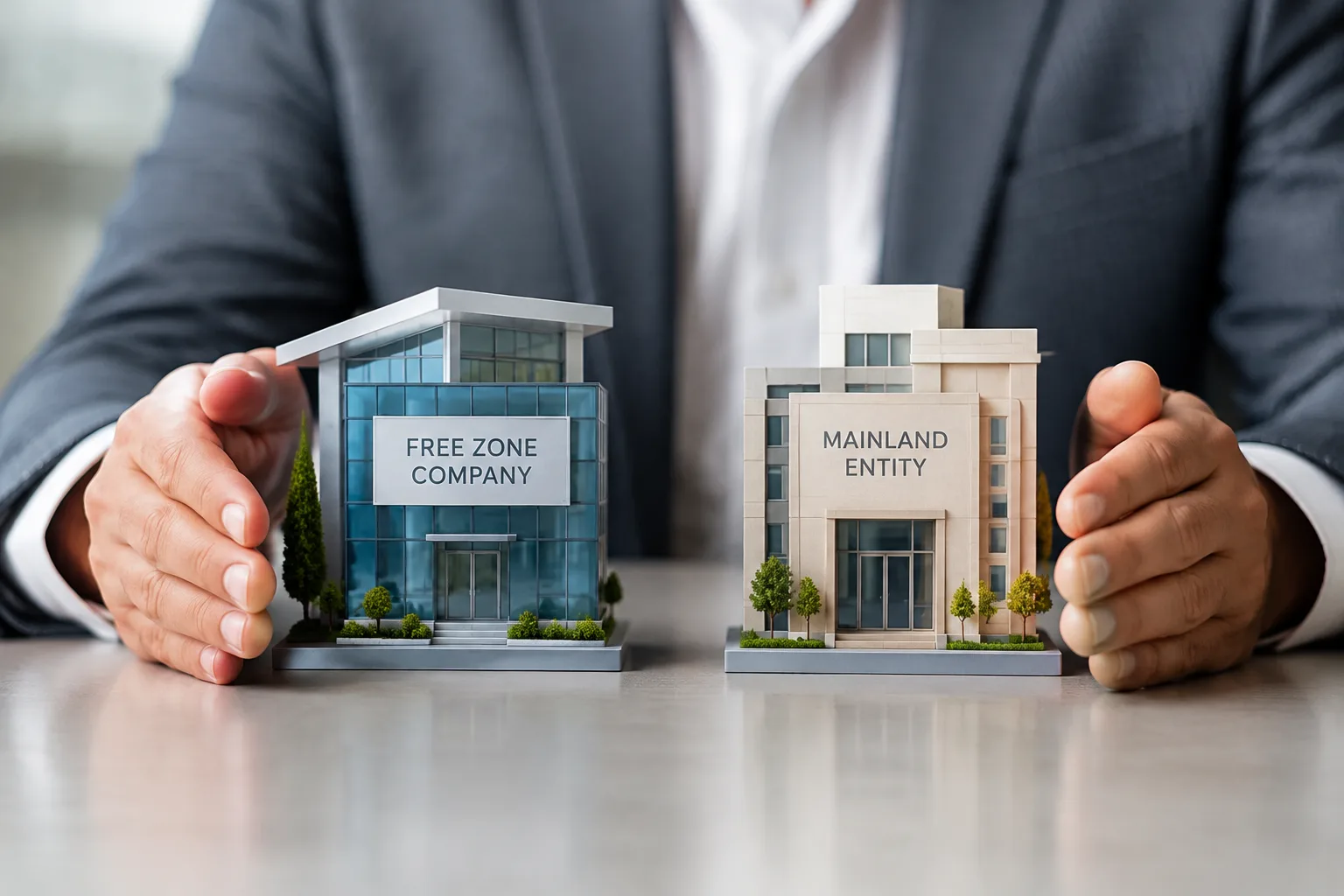
How Product Recall Duties Apply to a Meydan Free Zone Company
A Meydan Free Zone company selling goods in the UAE still carries product safety duties for what it supplies. The license sets permitted activities, while recall obligations follow the product and the market where it is sold.
License Activities and Trading Scope
Meydan Free Zone issues the Business License digitally after registration. Your trading activity must match the goods you sell. Selling into the mainland brings product category rules, so plan for them before your first shipment.
Support for Records and Operations
Expert Financial and Tax Compliance Services in Dubai
Explore mAccountingVet suppliers, require conformity documents, track batches and draft a response plan. These steps cut response time if a defect appears, and any future recall needs less improvisation.
Supplier Vetting and Contract Terms
Write recall cooperation and indemnity clauses into every supply contract. Secure access to test reports and certificates before you import.
Building a Simple Recall Plan
- Name one decision maker and keep a contact list.
- Prepare template notices and a refund process.
- Test the plan once a year.
Conclusion
A product recall process in the UAE rewards sellers who act early, keep records and hold suppliers to clear terms. The obligation follows the product, not the paperwork. Review your supplier contracts, batch records and notification contacts now, confirm your license activities match the goods you sell, and if you’re still setting up, apply for your business license with Meydan Free Zone.
Ready to Launch Your Business in Dubai?
Let's Connect