
Table of Contents
Frequently Asked Questions
FAQs
1. Which Indian products are in highest demand in the UAE?
Foods, spices, packaged FMCG, pharmaceuticals, textiles, auto parts, jewellery, electronics, organic foods, home décor and herbal beauty products all see strong, consistent demand in the UAE.
2. Do I need a UAE company to export from India to Dubai?
Legally, you can export directly from India. Practically, larger buyers and distributors often prefer working with a UAE-registered company because it simplifies payments, documentation and after-sales coordination.
3. Which free zone works well for Indian exporters?
Exporters tend to prefer Dubai-based free zones for credibility and connectivity. Many choose Meydan Free Zone because it is a fully digital, 24/7 free zone with MoFA-approved licenses and strong banking and logistics connectivity.
4. Can I use Dubai as a re-export hub for other markets?
Yes. This is one of Dubai’s biggest advantages. Goods imported into Dubai can be re-exported to GCC, Africa, CIS and European markets using regional distribution networks and existing trade routes.
5. Are there special trade benefits for India–UAE exports?
Yes. Under the India-UAE CEPA framework, many products enjoy reduced tariffs and smoother customs processes. Always confirm specifics with your logistics partner or trade consultant based on your HS codes.
Topic Summary
1. Petroleum Products and Petrochemicals
India’s refined petroleum products and petrochemicals are highly sought after in the UAE due to the region’s thriving industrial and manufacturing sectors, creating steady demand for these materials.
2. Pharmaceuticals and Medical Products
The UAE’s healthcare sector continues to expand rapidly, increasing the demand for Indian generic medicines, active pharmaceutical ingredients (APIs), and medical devices.
3. Organic Food and Spices
Indian organic food products and spices have gained popularity in the UAE, driven by a health-conscious consumer base and the strong cultural ties between the countries.
4. Textiles and Apparel
Indian textiles, garments, and home textiles enjoy high demand in the UAE thanks to their quality, craftsmanship, and competitive pricing, appealing to both retail consumers and business buyers.
5. Precious Stones and Jewelry
The UAE’s position as a global jewelry trading hub makes Indian-cut diamonds, precious stones, and traditional jewelry a significant export category with robust growth potential.
Top Export Opportunities: Indian Products In High Demand In The UAE
A spice exporter in Kerala scaling beyond a handful of regional buyers and eyeing the wider Gulf market, a pharmaceutical company wanting a distribution base closer to Gulf hospitals and pharmacies, an ethnic wear brand wanting to sell straight to Dubai retailers instead of through a chain of middlemen: all three are looking at a trade corridor that keeps growing every year.
This guide covers why Indian exporters are targeting the UAE, which product categories are in demand, and how you set up to sell here directly.
Key Stats at a Glance

Why Indian Exporters Are Targeting the UAE
Bilateral trade between India and the UAE reached USD 101.25 billion in the 2025 to 2026 financial year, crossing the USD 100 billion mark for a second consecutive year, with non-oil trade making up nearly two-thirds of that total.
Both countries have set a joint target of USD 200 billion in bilateral trade by 2032, and the Comprehensive Economic Partnership Agreement has already removed duty on 97% of UAE tariff lines, covering 99% of India's export value, with 6,090 products duty-free from day one.
For an exporter, this means the cost of entry into the UAE market keeps falling even as the market itself keeps growing, a combination that makes now a workable time to move from occasional shipments to a proper Dubai-based trading operation.
Top Product Categories in Demand
- Indian foods, spices, and packaged FMCG goods: driven by the UAE's large Indian resident population and growing retail demand for authentic regional products.
- Pharmaceutical products and wellness supplements: driven by rising healthcare spending across the Gulf and demand for affordable, quality generic medicines.
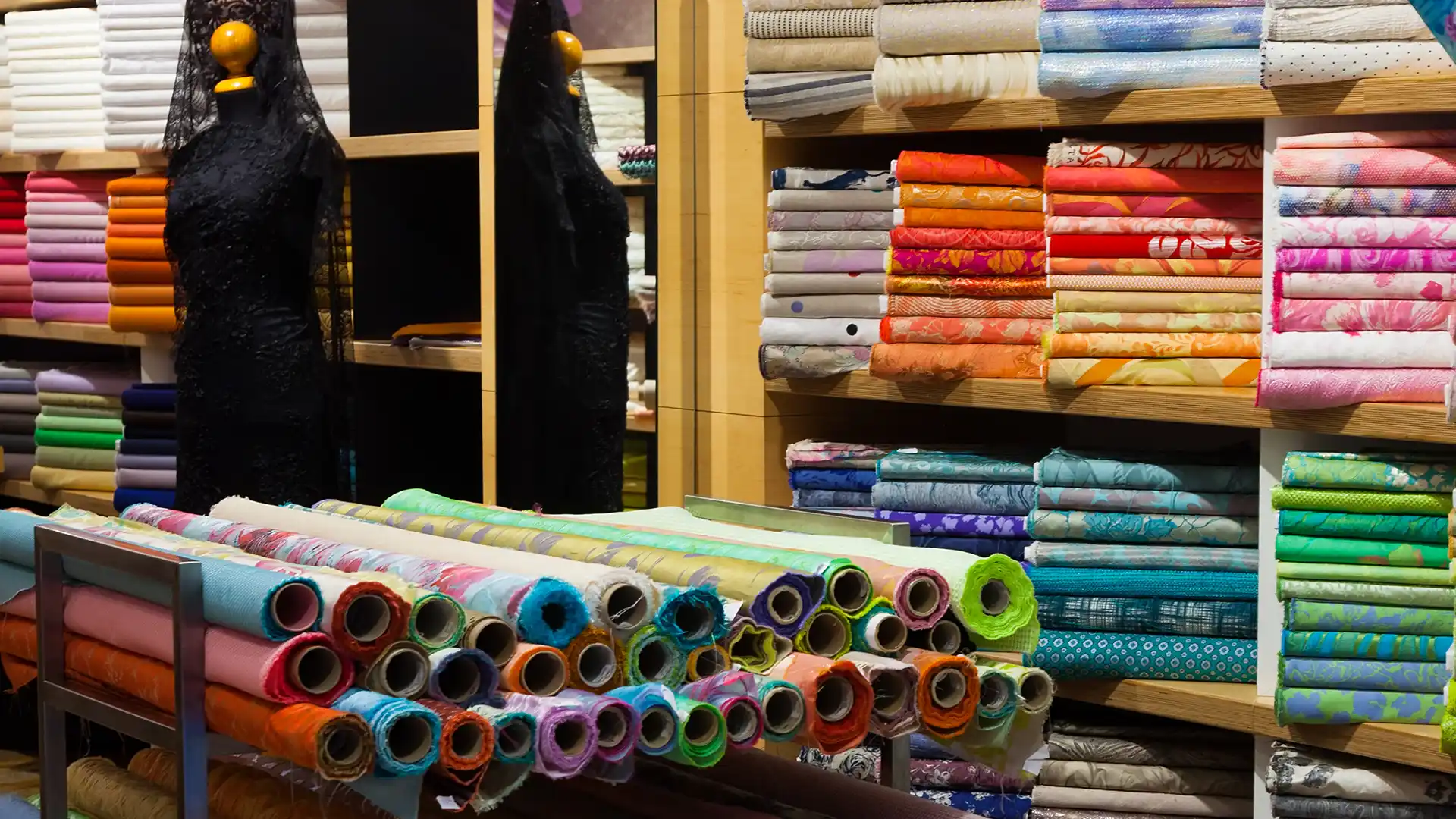
- Textiles, apparel, and Indian ethnic wear: driven by both resident demand and Dubai's role as a re-export hub to the wider region.
- Construction materials and engineering goods: driven by the UAE's continuing infrastructure and real estate pipeline.
- Automotive parts and accessories: driven by a large regional vehicle fleet needing consistent aftermarket supply.
- Gold, jewellery, and precious stone trade: driven by Dubai's position as a global trading hub for these categories.
- Organic foods, millets, and specialty agro products: driven by growing health-conscious demand among UAE consumers.
- Home décor, handicrafts, and furniture: driven by residential and hospitality sector growth across the emirate.
- Electronics, mobile accessories, and consumer tech: driven by high consumer spending power and fast product turnover.
- Ayurvedic, herbal, and beauty products: driven by rising interest in natural and wellness-focused personal care.
Selling Directly or Through a Distributor
Selling only through a distributor needs no local setup, but it leaves pricing, customer relationships, and invoicing entirely in someone else's hands. A Dubai-registered company changes the equation, letting you invoice in AED or other currencies, deal directly with buyers, and keep 0% corporate tax on qualifying income, with a Ministry of Foreign Affairs-approved Meydan Free Zone license giving your business immediate credibility with UAE counterparties.
[blockCTACostCalculator]
Step-by-Step Setup Guide
- Step 1, choose your trading activity: Select from over 2,500 activities available through Meydan Free Zone, matched to your specific product category.
- Step 2, prepare your setup documents: A passport copy and a business plan summary are generally enough to get started.
- Step 3, get your initial approval and license: Meydan Free Zone's Ministry of Foreign Affairs-approved license gives your business standing with UAE buyers and customs from day one.
- Step 4, confirm your HS code: Work with a logistics partner or trade consultant to check your product's HS code before your first shipment, since this determines your exact duty treatment under CEPA.
- Step 5, register your products if needed: Pharmaceutical and health products need registration with the UAE Ministry of Economy, and organic products need their own certification before retail sale.
- Step 6, open your corporate bank account and start invoicing: A Meydan Free Zone company comes with guaranteed IBAN access, letting you invoice UAE buyers directly in AED from the outset.
Compliance and What You Need in Place
Third-party approval
Dubai Customs governs import and export procedures, and pharmaceutical or health products need separate registration with the UAE Ministry of Economy, so check what applies to your specific product category before your first shipment.
HS code accuracy
Getting your HS code right determines the exact duty treatment your product receives under CEPA, so confirm this with a logistics partner or trade consultant rather than assuming a category based on a similar product.
Organic and specialty product certification
Organic and specialty agro products need their own certification process before they can be sold as such in the UAE market, so build this into your product launch timeline.
Anti-money laundering compliance
This activity carries no sector-specific anti-money laundering registration or reporting duties beyond the standard compliance framework that applies to all UAE businesses.
VAT registration
VAT registration is mandatory once your taxable turnover crosses AED 375,000 annually, so build this into your financial planning as your UAE sales grow.
Ongoing renewals
Renew your license every year, keep any product registrations and certifications current, and keep your MOHRE registrations up to date if you employ staff.
Market Opportunity
Bilateral trade between India and the UAE reached USD 101.25 billion in the 2025 to 2026 financial year, crossing USD 100 billion for a second consecutive year, and both governments have set a joint target of USD 200 billion by 2032, giving an exporter a market with clear, government-backed momentum behind it rather than a short-term trend.
The Comprehensive Economic Partnership Agreement's removal of duty on 97% of UAE tariff lines, covering 99% of India's export value with 6,090 products duty-free from day one, lowers the cost of entry for almost any exporter across the ten product categories in demand.
An exporter who moves from distributor-only sales to a Dubai-registered company gains direct control over pricing, customer relationships, and AED invoicing, positioning them to capture more of the margin in a trade corridor that both governments are actively working to grow.
Non-oil trade already makes up nearly two-thirds of the India-UAE total, pointing to a genuinely broad-based opportunity across food, pharmaceuticals, textiles, construction materials, and consumer goods rather than one narrow category carrying the whole relationship.
Conclusion
Indian Products Export to the UAE is a workable opportunity for an exporter ready to move beyond distributor-only sales into direct trade. Meydan Free Zone's fast setup, tax position, and Ministry of Foreign Affairs-approved license give an Indian exporter a practical route into one of the fastest-growing trade corridors in the region.
[blockCTAContact]
References